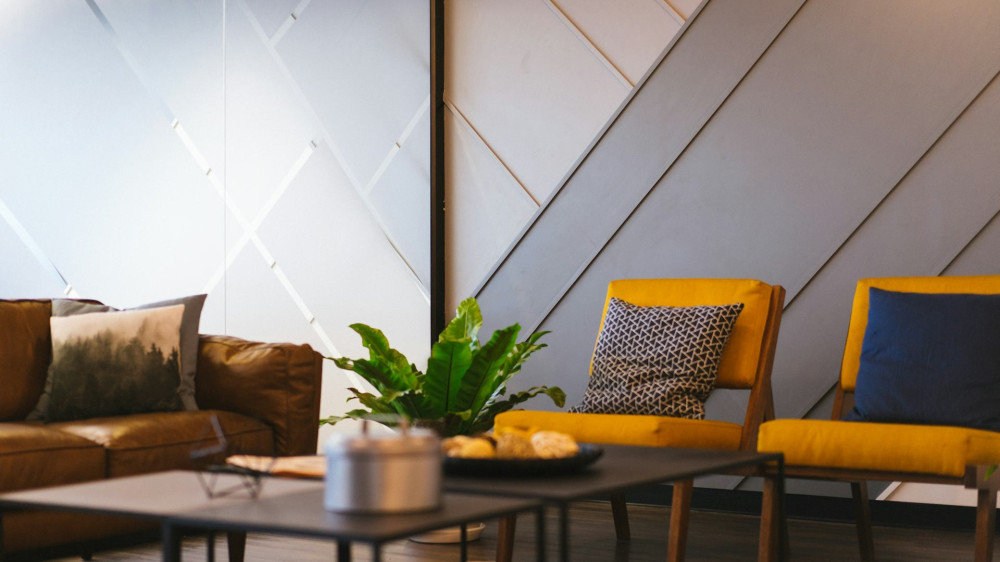
Arrange Your Dining Chairs the Right Way – for Better Acoustics and Conversations


Arrange Your Dining Chairs the Right Way – for Better Acoustics and Conversations
When setting up a dining room, most people focus on style, comfort, and practicality—but rarely on acoustics. Yet the way you arrange your dining chairs can have a big impact on how sound travels through the space and how easily conversations flow around the table. With just a few thoughtful adjustments, you can create a room where voices sound natural and dinner feels more relaxed and connected.
Why Chair Placement Affects Sound
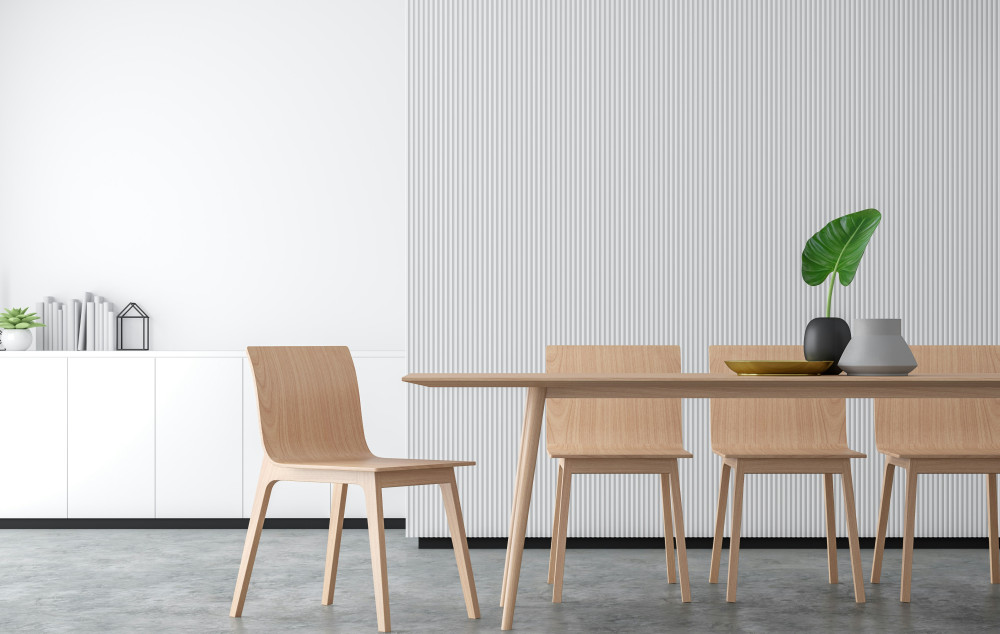
Sound in a room depends on how it reflects and is absorbed by surfaces. A dining area filled with hard materials—like wood, glass, and tile—can make voices echo and create a harsh, noisy atmosphere. Chairs play a surprisingly important role here. Upholstered chairs, fabric covers, and padded seats help absorb sound, while chairs made entirely of wood, metal, or plastic tend to amplify it.
But it’s not just about materials. The distance between chairs, the size of the table, and the shape of the room all influence how sound moves. If chairs are too close together, conversations can feel loud and overlapping. Too far apart, and people may struggle to hear one another without raising their voices.
Find the Right Balance Between Space and Connection
A good rule of thumb is to allow about 24 inches of space per person at the table. This gives everyone enough room to move comfortably while staying close enough for easy conversation.
If you have a long table, consider grouping chairs closer to the center when dining with fewer people. This creates a more intimate setting and keeps voices within a comfortable range. For larger gatherings, space the chairs evenly, but avoid crowding them—tight seating can make the room feel louder and more chaotic.
Choose Materials That Soften Sound
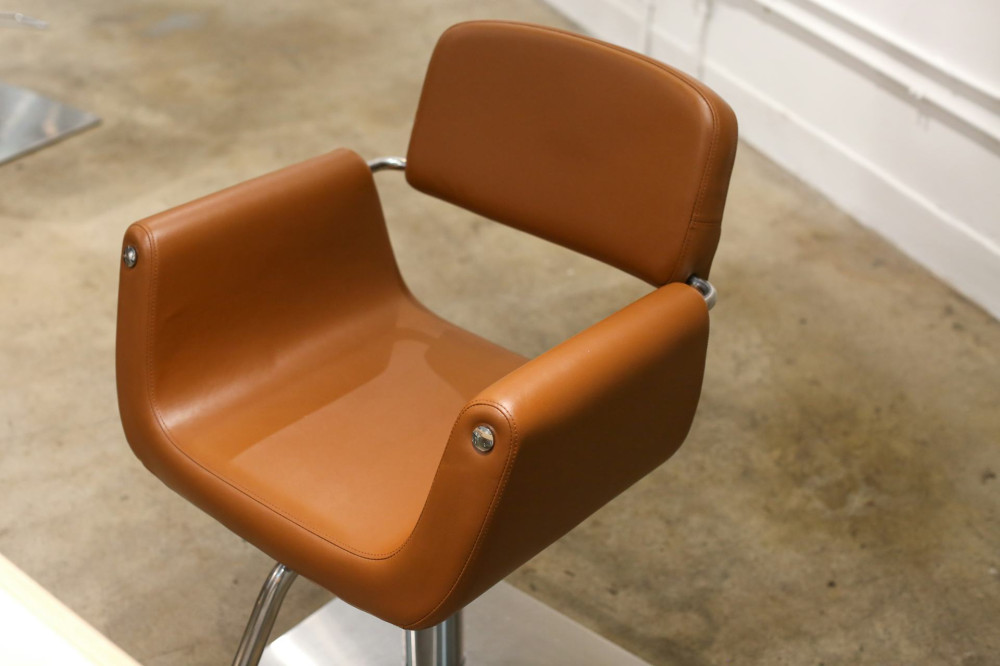
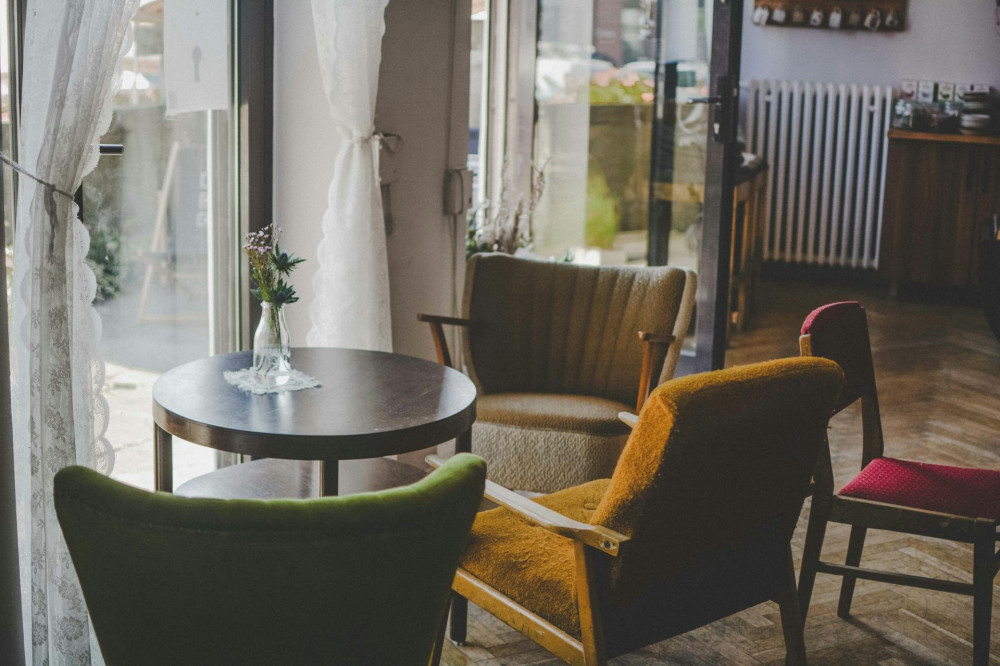
If your dining room feels too echoey, your chairs can be part of the solution. Opt for models with fabric upholstery, leather, or soft padding to help absorb sound. If you prefer the look of wooden chairs, add seat cushions or slipcovers to achieve a similar effect.
You can also enhance the acoustics with other soft materials in the room. A rug under the table, curtains on the windows, or fabric wall art can all help reduce echo and make the space feel warmer and more inviting.
Consider the Table’s Shape and Position
The shape of your dining table influences how easily people can see and hear one another. Round or oval tables encourage conversation by keeping everyone within equal distance, while long rectangular tables can make it harder for guests at opposite ends to connect. If you often host large dinners, try arranging the chairs in a gentle curve to help sound gather more naturally toward the center.
Avoid placing the table directly against walls or large glass surfaces, as these reflect sound and can create unwanted echoes. Leaving even 8–12 inches of space between the table and the wall can noticeably improve the acoustics.
Læs også:

Create Zones for Conversation and Calm
In open-concept homes—common in many American layouts—dining areas often blend with kitchens and living rooms. This can make it tricky to control noise. Use your chairs to help define the dining zone: arranging them in a clear boundary around the table helps contain sound and gives the area a sense of focus.
You can also use bookshelves, tall plants, or fabric room dividers to break up sound waves and create a calmer atmosphere around the dining space.
Make Room for Connection
Ultimately, arranging your dining chairs is about more than just fitting everyone around the table—it’s about creating a space where conversation flows easily and everyone feels included. When the acoustics are comfortable and the seating feels natural, dinner becomes more than a meal; it becomes a shared experience.
So next time you set the table, take a moment to look at how your chairs are placed. The secret to better sound and more enjoyable conversations might be right there in the seating.
Læs også: