Automation in Families with Children – A Helping Hand in a Busy Everyday Life

Automation in Families with Children – A Helping Hand in a Busy Everyday Life
Mornings filled with lunchboxes, missing shoes, and last-minute outfit changes. Afternoons packed with homework, soccer practice, and dinner prep. For many American families, everyday life can feel like a constant race against the clock. In this busy rhythm, home automation can be a real helping hand – not as a luxury, but as a practical way to bring calm and structure to family life.
What Does Home Automation Mean?
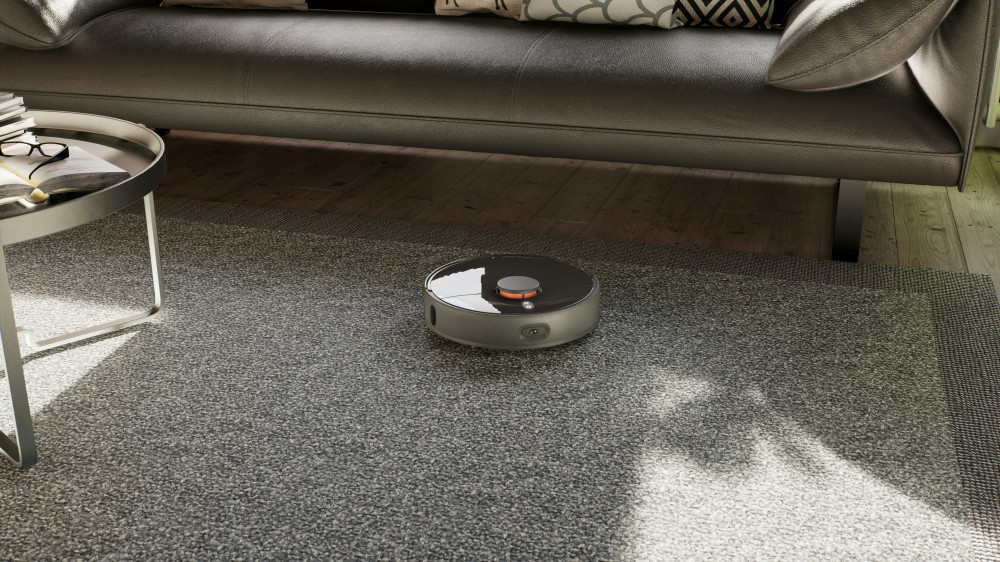
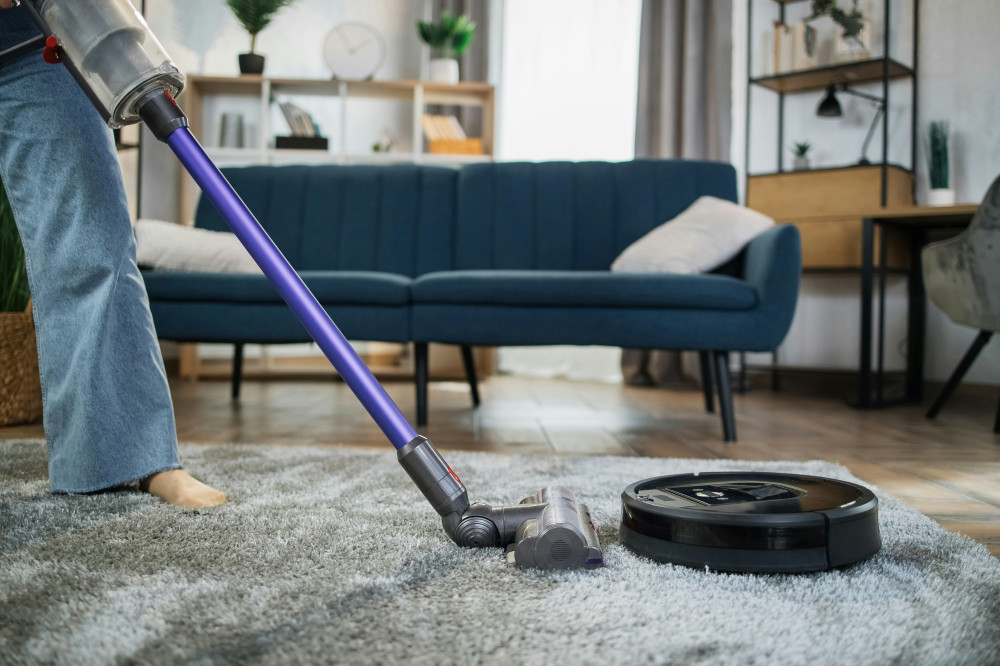
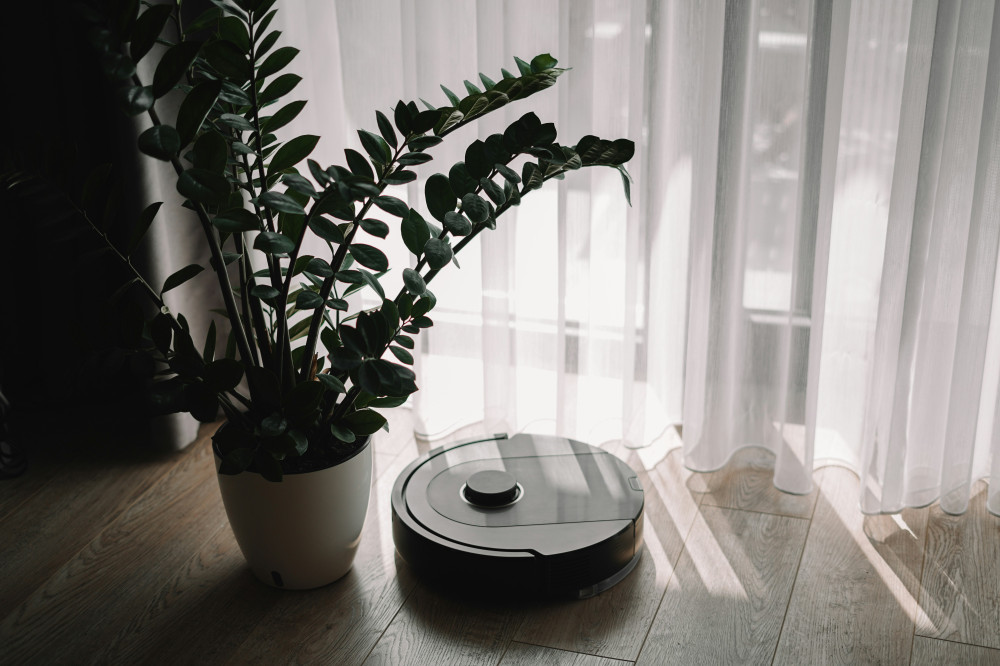
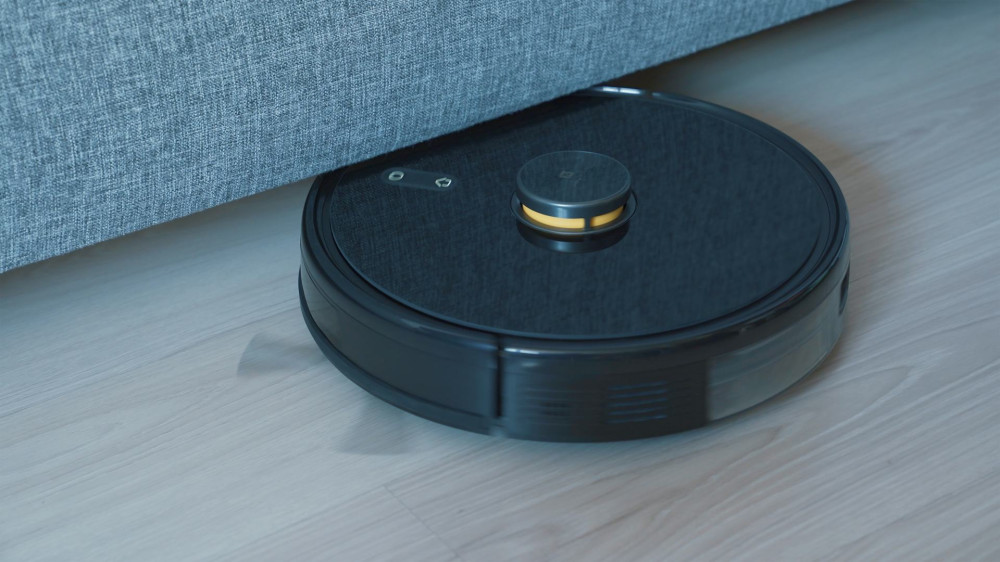
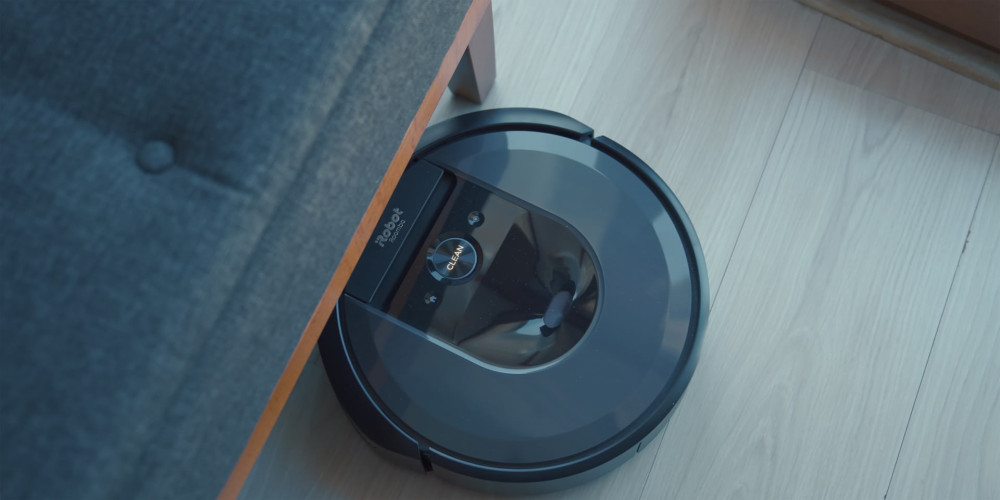
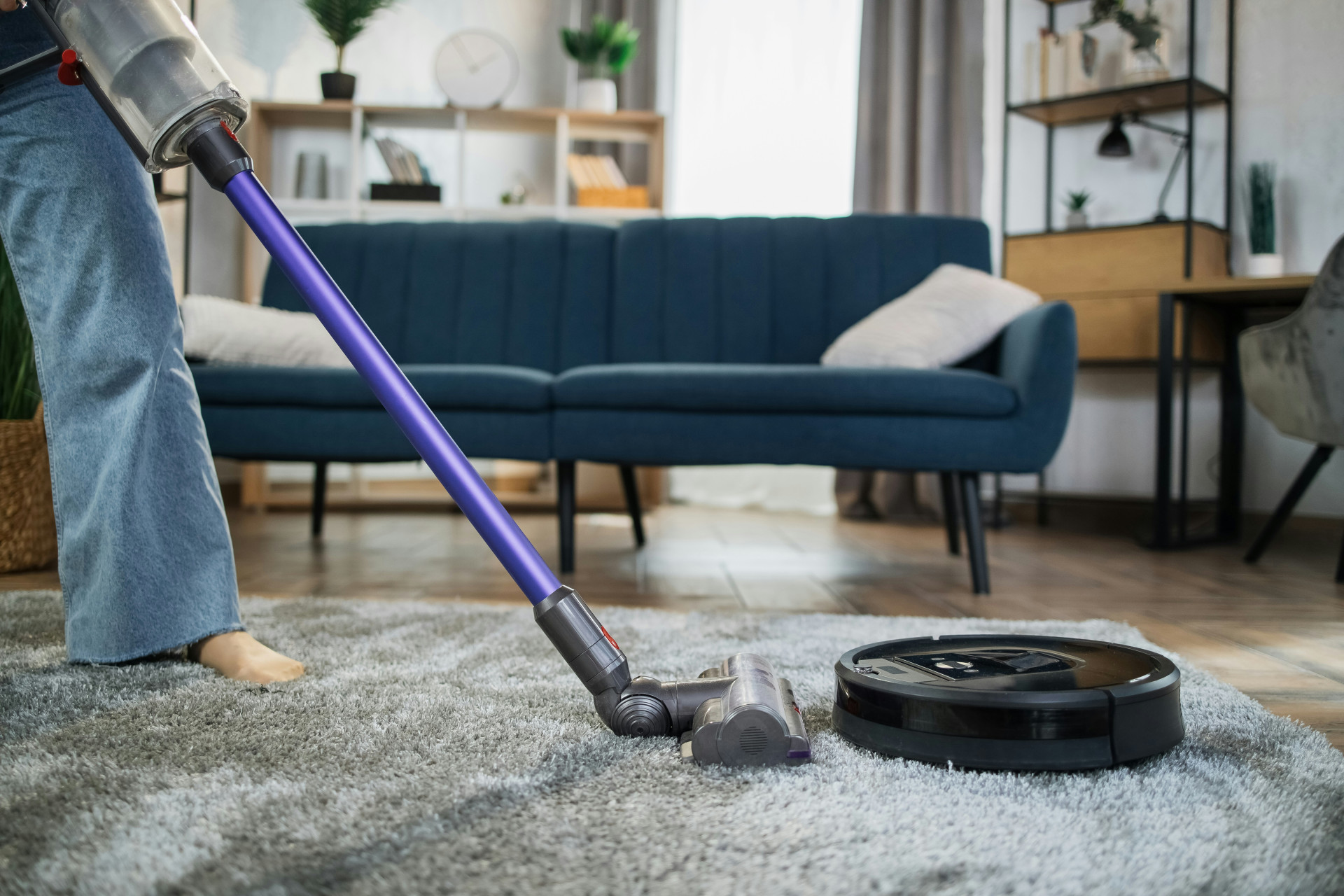
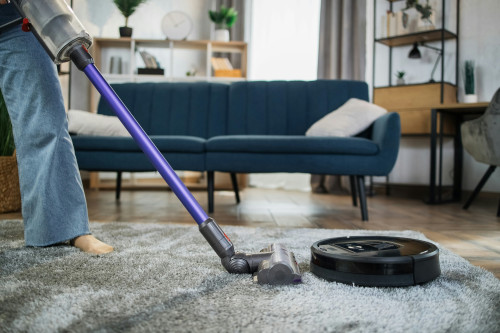
Home automation is about letting technology handle repetitive or time-consuming tasks. It can be as simple as lights that turn on when you walk in the door or a robot vacuum that cleans while you’re at work. Today, smart home solutions are available for nearly every type of home – whether you live in a suburban house or a city apartment.
Most systems can be controlled through apps or voice assistants like Alexa, Google Assistant, or Siri. Many devices can even work together, allowing you to create routines that fit your family’s daily rhythm.
Læs også:
Smart Routines That Make Life Easier
Automation can help create structure and reduce stress in a busy household. Here are a few examples of how technology can make a difference:
- Morning routine: Lights gradually brighten in the kids’ rooms while the coffee maker starts brewing in the kitchen. A gentle start to the day – without the morning chaos.
- Leaving the house: With a single voice command or tap on your phone, you can turn off all lights, adjust the thermostat, and lock the doors. No more running back inside to double-check.
- Afternoon and dinner time: The oven can preheat before you get home, and the dishwasher can start after bedtime. Small automations that make evenings smoother.
- Bedtime: Lights dim automatically, screens turn off, and the temperature lowers in the bedrooms – saving energy and helping everyone wind down.
These small automations can make a big difference by removing many of the tiny decisions that otherwise fill up the day.
Safety and Peace of Mind
For families with children, automation isn’t just about convenience – it’s also about safety. Smart sensors can detect motion, smoke, or water leaks and send alerts directly to your phone. Video doorbells let you see who’s at the door, and smart locks allow you to let the kids in even if you’re still at work.
There are also solutions that help parents feel more at ease when children are home alone. For example, you can receive a notification when they arrive home or when the living room lights turn on – offering reassurance without feeling intrusive.
Energy and Savings – A Welcome Bonus
Automation can also help families save energy and money. Smart thermostats learn your household’s habits and adjust heating or cooling automatically, so energy isn’t wasted when no one’s home. The same goes for lights and appliances that turn off when rooms are empty.
In this way, technology not only makes daily life easier but also supports a more sustainable lifestyle – something many American families value.
How to Get Started
Getting into smart home technology can seem overwhelming, but it doesn’t have to be all or nothing. Start small, with one area where you’ll notice a real difference – like lighting, cleaning, or temperature control.
- Choose a system that fits your needs. Most smart home platforms can be expanded later, so you don’t have to decide everything at once.
- Think in routines. Which tasks repeat every day? Those are often the easiest to automate.
- Involve the whole family. Kids often find it fun to control lights with their voice or watch the robot vacuum at work.
- Keep it simple. The easier the system is to use, the more likely it is to become part of your daily life.
A Helping Hand – Not a Replacement
Automation can’t eliminate all the chaos of family life, but it can free up time and energy for what truly matters: being together. When technology takes care of the small, practical details, there’s more room for connection, calm, and quality time.
It’s not about making your home “smart” for technology’s sake – it’s about creating a home that works for your family, not the other way around.
Læs også: