Combine Ergonomics and Light Exercise in Your Daily Routine

Combine Ergonomics and Light Exercise in Your Daily Routine
Many Americans spend most of their day in front of a computer—whether at the office or working from home. Long hours of sitting can lead to stiffness, fatigue, and pain in the neck, shoulders, and back. But with a few simple adjustments to your workspace and short breaks for light movement, you can prevent discomfort and boost your energy throughout the day. Here’s how to combine ergonomics and light exercise—no gym membership required.
Build an Ergonomic Foundation
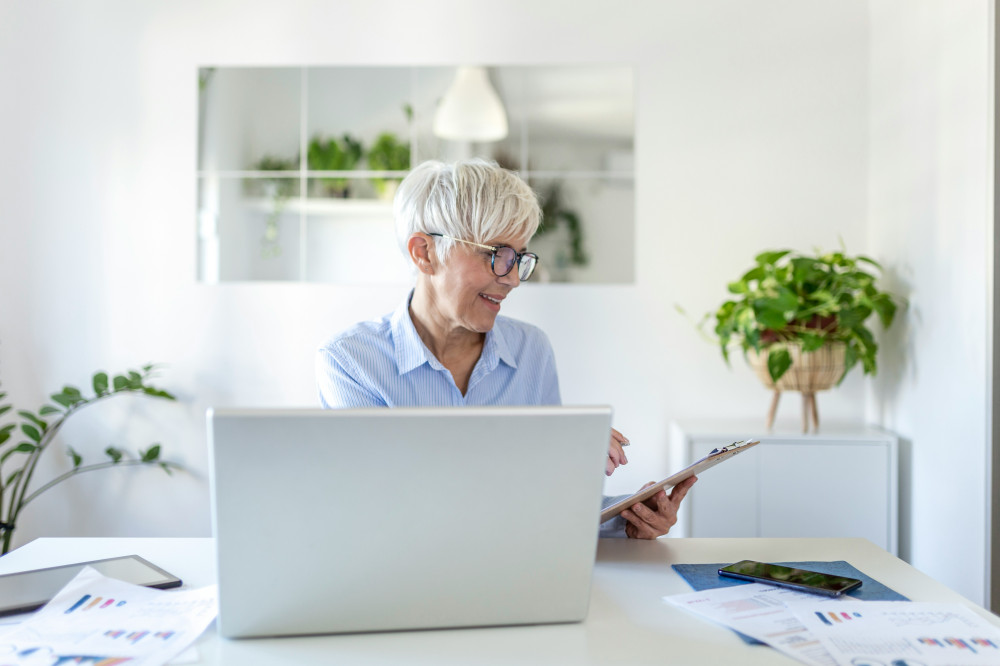
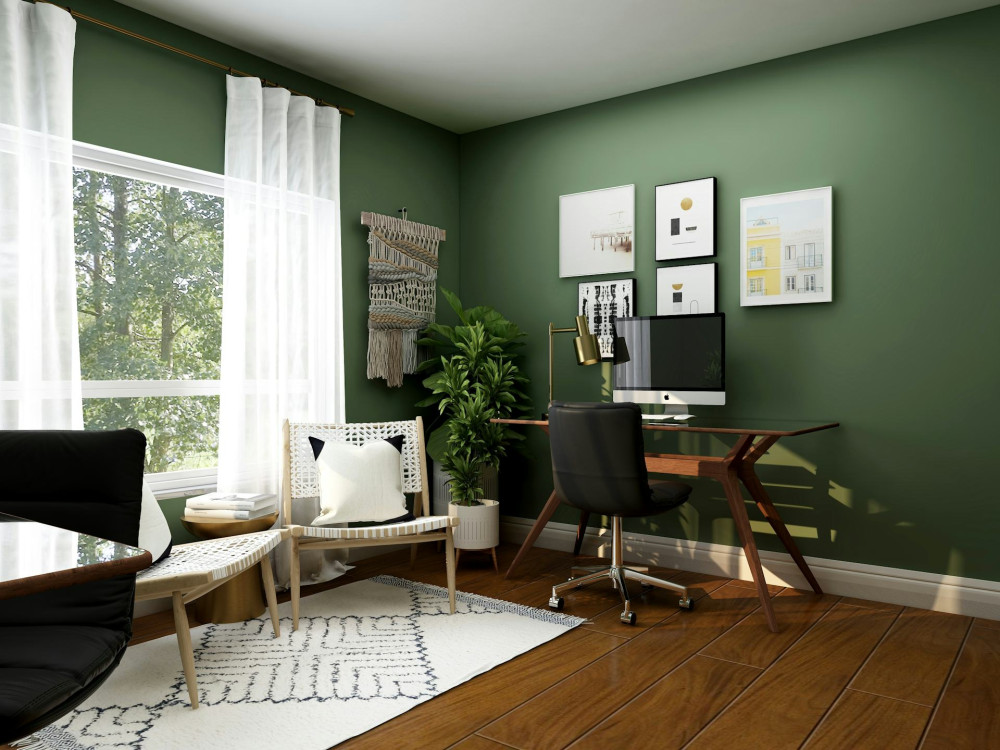
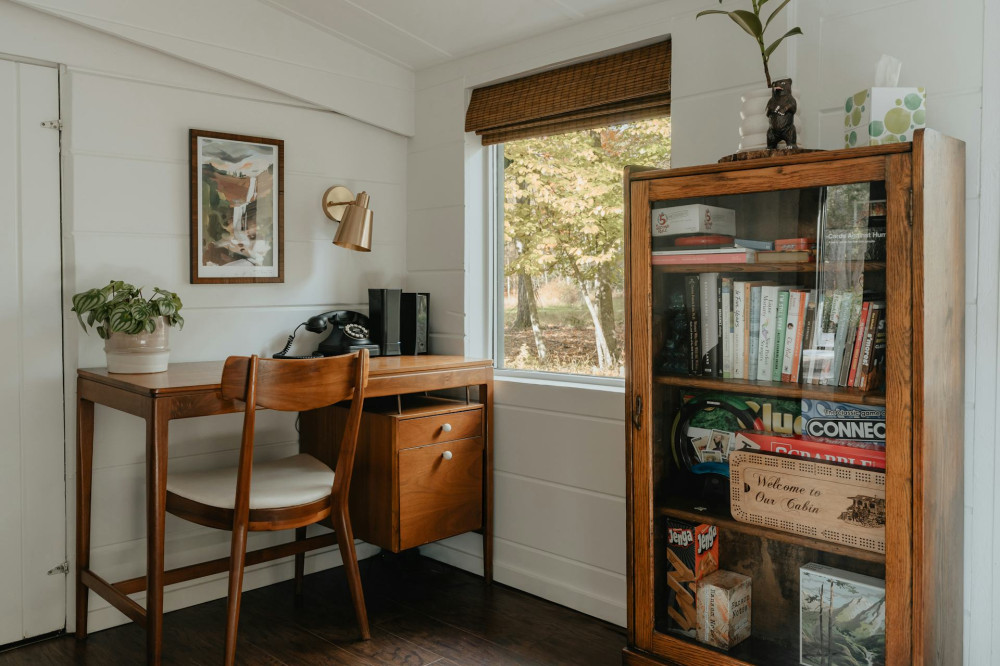
A productive day starts with a comfortable workspace. Ergonomics is about adapting your environment to fit your body—not the other way around. Begin by checking your chair, desk, and monitor setup.
- Chair: Sit with your feet flat on the floor and your knees at about a 90-degree angle. The backrest should support your lower back, and you should be able to alternate between sitting upright and leaning slightly back.
- Desk: Adjust the height so your forearms rest comfortably on the surface with relaxed shoulders.
- Monitor: Position your screen so the top of the display is at eye level. This helps reduce strain on your neck.
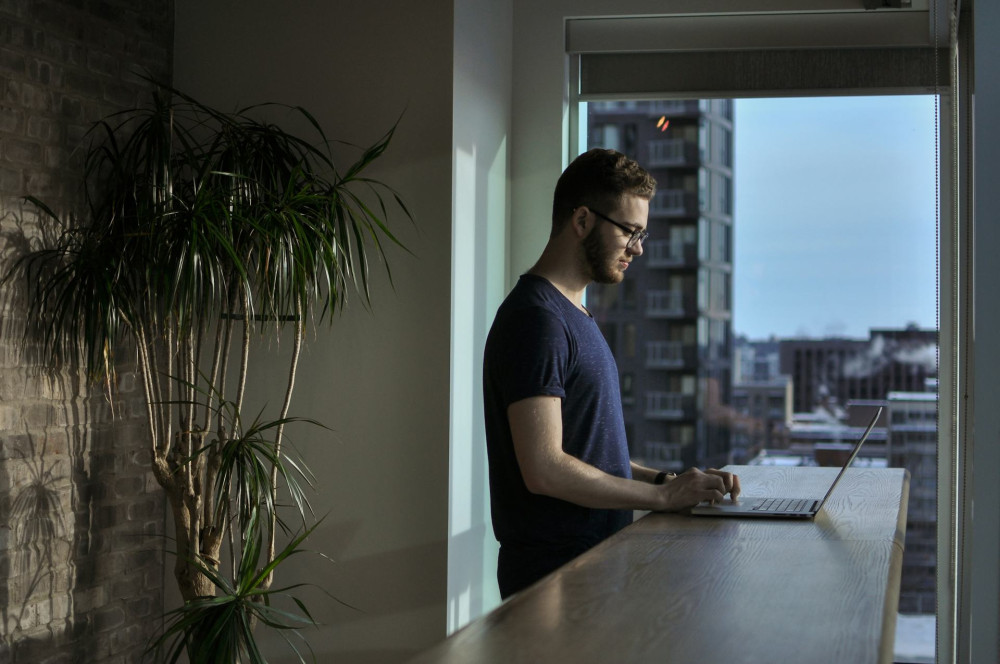
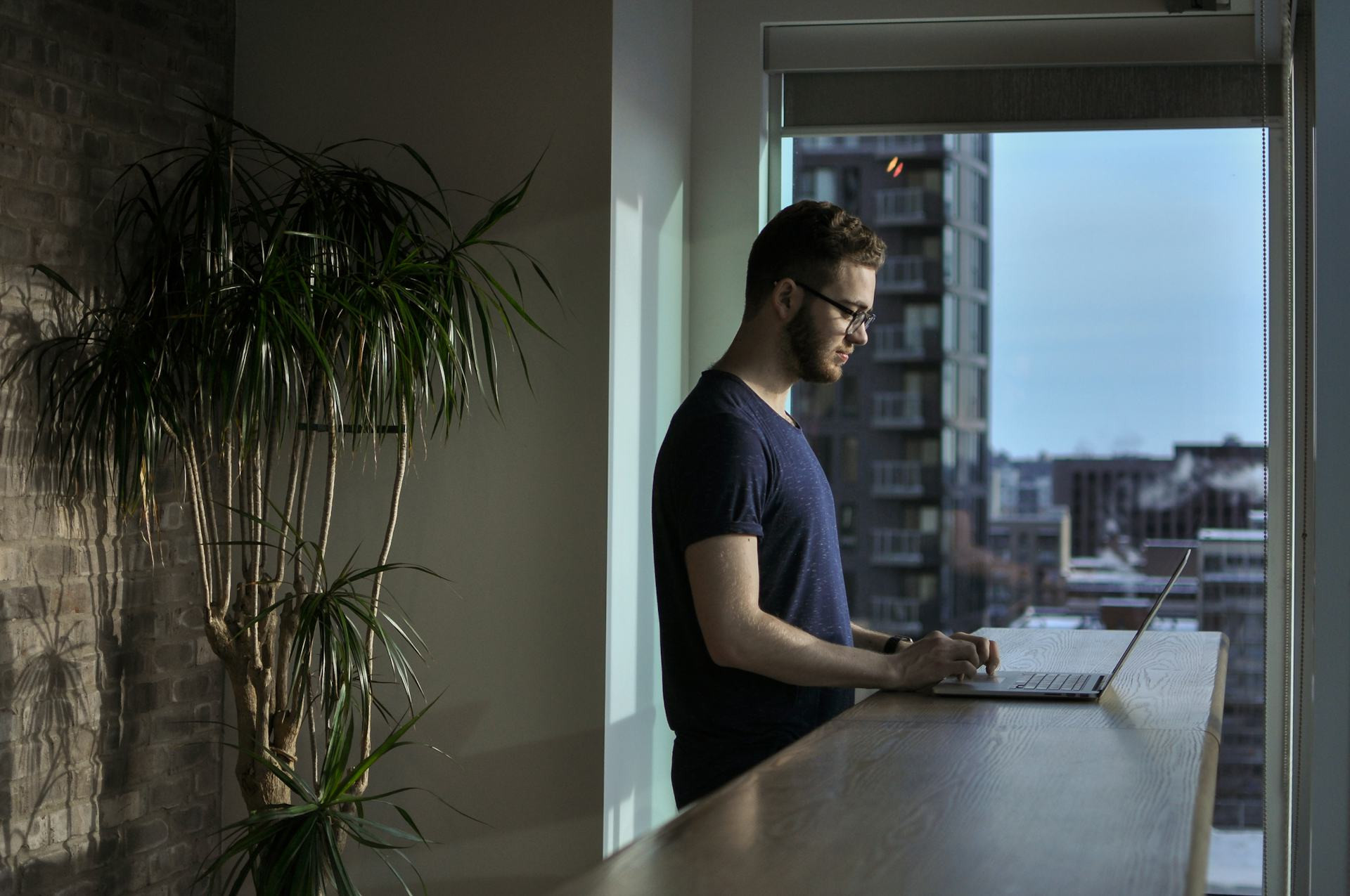
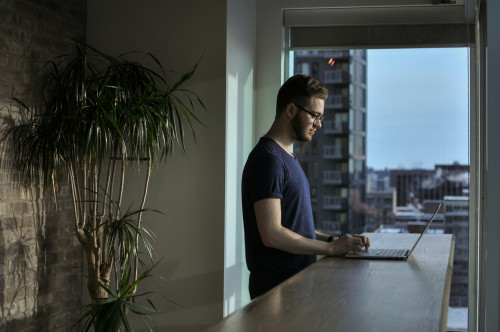
If possible, invest in a sit-stand desk. Alternating between sitting and standing is one of the most effective ways to reduce sedentary time and keep your body active.
Make Movement Part of Your Workday
Even the best ergonomic setup can’t make up for hours spent in the same position. The human body is designed to move, and short breaks with light activity can make a big difference.
- Stand up every 30 minutes. Take a minute to stretch, walk a few steps, or roll your shoulders.
- Take microbreaks. Look away from your screen, move your hands and fingers, and take a few deep breaths.
- Walking meetings. If possible, take short meetings or phone calls while standing or walking.
- Use the stairs. It’s a simple way to get your heart rate up during the day.
These small movements improve circulation, sharpen focus, and reduce the risk of muscle tension.
Læs også:
Light Exercise That Fits Your Day
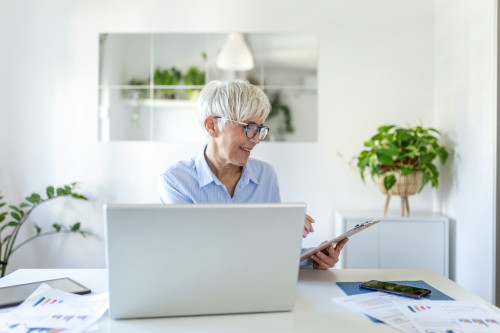
You don’t need to carve out an hour for a workout to feel the benefits. Light exercise can easily fit into your daily routine—both at work and at home.
- Morning stretches. Start your day with a few minutes of stretching for your neck, shoulders, and back.
- Walk or bike to work. Even short commutes count and can give you a refreshing start to the day.
- Active breaks. Instead of scrolling through your phone, take a quick walk around the building or do a few simple exercises.
- End the day with movement. A short walk after work helps your body transition from work mode to relaxation.
Consistency is key—small bursts of movement throughout the day are more effective than occasional long workouts.
Change Positions Frequently
Variety is essential for a healthy workday. Even a perfect sitting posture becomes uncomfortable if you hold it too long. Alternate between sitting, standing, and moving. Consider using a balance cushion, anti-fatigue mat, or an active chair that allows gentle movement. These tools engage your muscles and keep your body alert.
A helpful trick is to link position changes to daily habits: stand up when you answer the phone or when you check your email. Over time, movement becomes a natural part of your rhythm.
Foster a Culture of Movement
If you work in an office, it’s easier to maintain healthy habits when your coworkers join in. Suggest small group initiatives—like taking the stairs together, holding standing meetings, or scheduling short stretch breaks. These shared routines not only improve well-being but also strengthen team spirit.
An Investment in Health and Productivity
Combining ergonomics with light exercise isn’t just about avoiding pain—it’s about feeling better and performing better. When your body is comfortable, your mind stays sharp. You’ll feel more focused, less fatigued, and better balanced between work and personal life.
Small changes can make a big difference. Start with one new habit at a time—and notice how your body thanks you for it.
Læs også: