Combine Ventilation and Natural Airing to Reduce Energy Consumption

Combine Ventilation and Natural Airing to Reduce Energy Consumption
A healthy indoor environment depends on fresh air—but that doesn’t mean you have to let your heating or cooling escape. By combining mechanical ventilation with natural airing, you can maintain good air quality while keeping energy use in check. The key is to use both methods wisely and at the right times.
Why Ventilation Matters
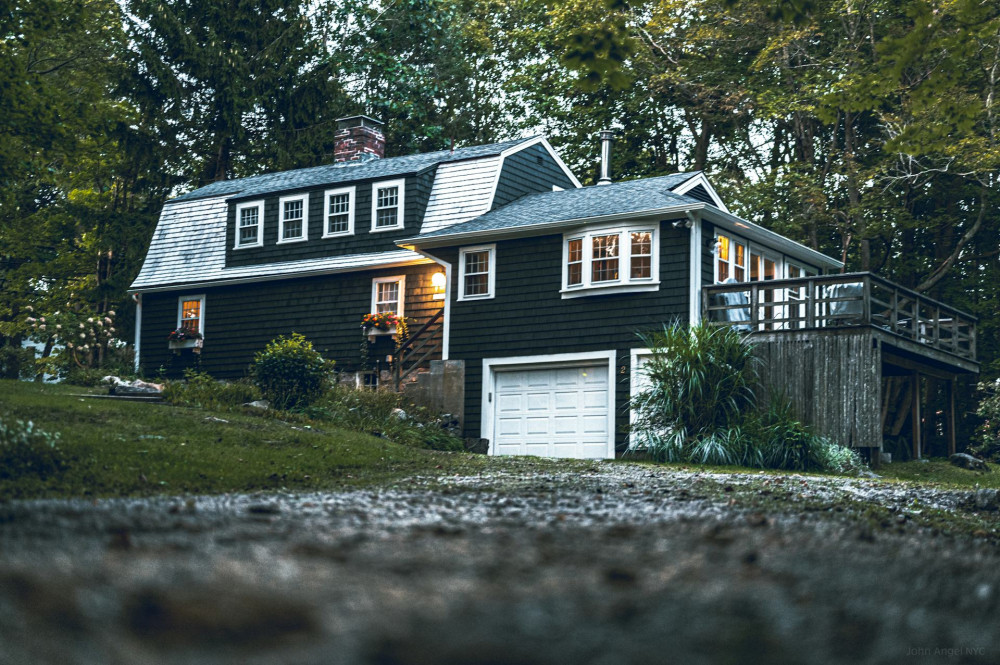
Modern American homes are built to be airtight for better insulation and energy efficiency. While that’s great for comfort, it also means that moisture, carbon dioxide, and indoor pollutants can build up if air isn’t exchanged regularly. Without proper ventilation, you may experience stuffy air, condensation, or even mold growth.
A mechanical ventilation system ensures a steady exchange of air throughout the day, even when you’re away. Systems with heat recovery can capture up to 80–90% of the heat from outgoing air, so you get fresh air without losing the warmth—or coolness—you’ve already paid for.
Læs også:
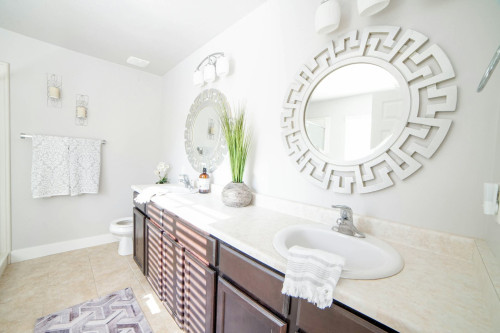
The Role of Natural Airing
Even with a good ventilation system, natural airing—simply opening windows and doors—still has its place. It’s especially useful when you need to quickly refresh the air, such as after cooking, showering, or cleaning.
Short, effective airing sessions of 5–10 minutes with cross-ventilation are far better than leaving a window cracked open for hours. This approach replaces stale air quickly without cooling down walls and furniture, which would otherwise increase your energy use.
Getting the Best of Both Worlds
Combining mechanical ventilation and natural airing is all about balance. Here are a few practical tips:
- Keep your ventilation system running continuously – it’s designed to maintain stable air quality and humidity levels.
- Use natural airing as a supplement – especially when you need a quick air exchange or when outdoor conditions are favorable.
- Adjust ventilation settings seasonally – many systems allow you to lower fan speed in winter and increase it in summer.
- Clean vents and filters regularly – clogged filters reduce efficiency and air quality.
- Take advantage of natural temperature differences – on hot days, open windows in the evening when the air is cooler, allowing your system to work less.
Energy Savings and Everyday Comfort
When you use ventilation and natural airing smartly, you’ll notice the difference in both comfort and energy bills. A well-functioning ventilation system keeps temperatures even and air fresh, while natural airing gives you flexibility and quick results when needed.
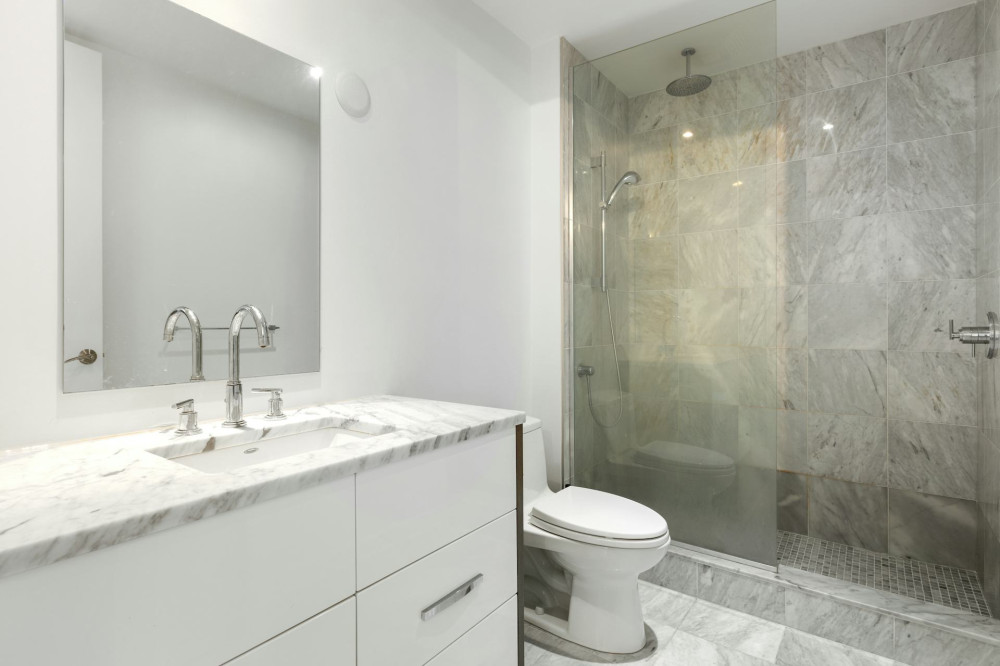
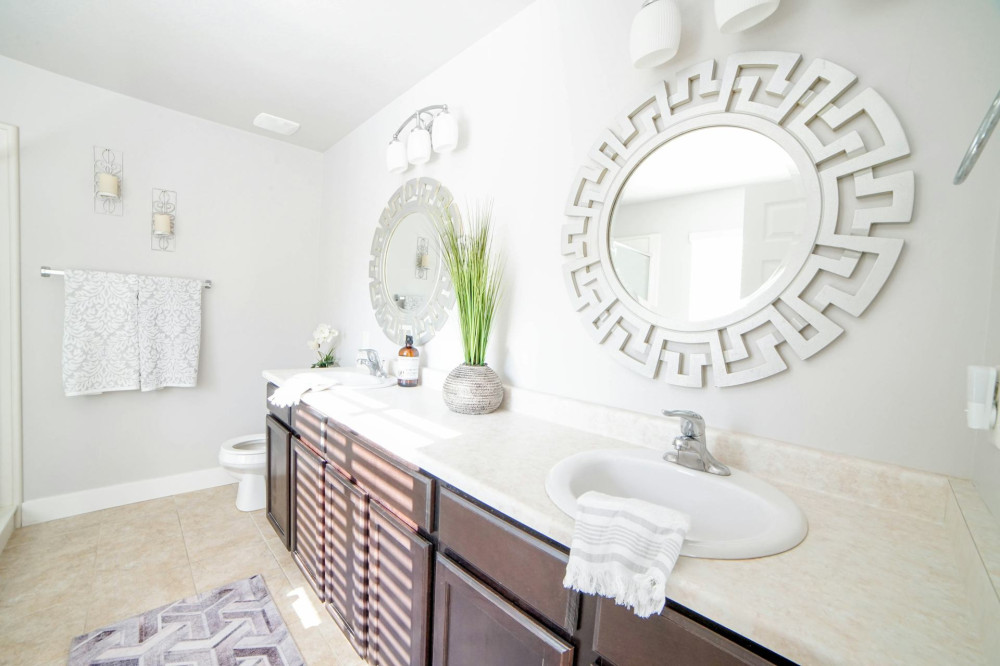
You’ll also prevent moisture problems and enjoy a healthier indoor climate—especially important in bathrooms, kitchens, and bedrooms where humidity and odors can build up quickly.
A Simple Step Toward a Greener Home
Paying attention to how you ventilate may seem like a small thing, but it can have a big impact on both energy use and comfort. By combining technology with mindful habits, you can create a home that’s comfortable, efficient, and more sustainable.
Læs også: