Consider Pest Prevention Already During Renovation

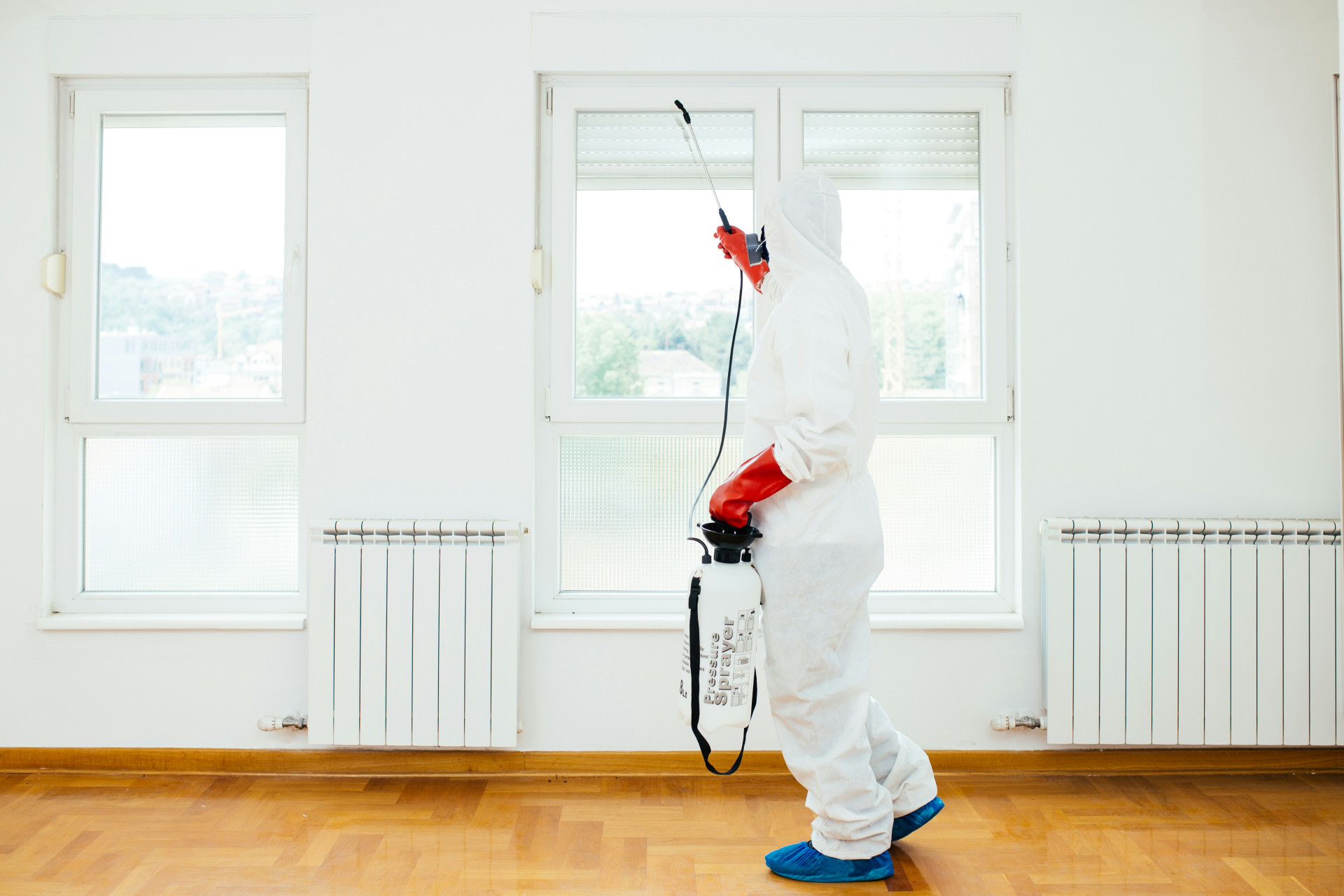
Consider Pest Prevention Already During Renovation
When you start a home renovation, you probably think about energy efficiency, design, and comfort — but what about pest prevention? Many infestations of mice, rats, termites, or ants begin because a building has small weaknesses that could have been avoided during remodeling. By planning for pest prevention from the start, you can save money, time, and frustration later on.
Why Prevention Pays Off
Pests can squeeze through the tiniest gaps, and once they’re inside, they can cause serious damage. Mice chew on wires, rats destroy insulation, and termites or carpenter ants can compromise wooden structures. It’s far cheaper and easier to keep them out than to deal with an infestation afterward.
When walls are open, floors removed, or the roof structure exposed, you have a unique opportunity to make your home more pest-resistant. It only takes a bit of planning and attention to detail.
Sealing and Material Choices
One of the most important steps in pest prevention is sealing entry points. Inspect your home for openings where pests could get in — especially around plumbing, vents, foundations, and roof edges.
- Use metal mesh or steel wool to seal gaps around pipes and cables. Foam or plastic alone can be chewed through easily.
- Choose durable materials such as pressure-treated wood, metal, or hard plastic for vulnerable areas.
- Ensure doors and windows fit tightly, leaving no gaps where insects or rodents can enter.
A well-sealed home not only keeps pests out but also improves energy efficiency and indoor comfort.
Ventilation and Moisture Control
Damp areas attract many types of pests, including termites, cockroaches, and silverfish. During renovation, make sure your home has proper ventilation in basements, crawl spaces, and attics.
- Install vent covers with insect screens to allow airflow without letting pests in.
- Ensure proper drainage and moisture barriers so water doesn’t collect around the foundation.
- Keep organic materials like firewood or mulch away from the house, as they can attract insects and rodents.
A dry, well-ventilated home is far less appealing to unwanted guests.
Roof and Exterior – Common Entry Points
The roof and exterior walls are often where pests first find their way inside. Birds, squirrels, bats, and wasps can exploit small openings to nest or seek shelter.
- Install bird or rodent guards at eaves, vents, and chimneys.
- Inspect gutters and downspouts for cracks or loose joints that could provide access.
- Maintain siding and trim, repairing any cracks or gaps that insects could use.
If you’re replacing roofing or siding, it’s the perfect time to integrate these preventive measures.
Interior Design and Storage Habits
Once the renovation is complete, prevention also depends on how you use and maintain your home. Pests thrive where there’s food, warmth, and clutter.
- Store food in airtight containers.
- Avoid clutter and unused materials in basements and attics where pests can hide.
- Regularly check behind appliances, in cabinets, and in storage areas for signs of activity.
Small everyday habits can make a big difference in keeping pests away.
Læs også:


Get Professional Advice
If you’re unsure how to best protect your home, consider consulting a pest control professional. Many companies offer preventive inspections and can recommend solutions tailored to your renovation plans.
A professional assessment can help you prioritize your efforts and avoid costly mistakes before they happen.
An Investment in Peace of Mind
Thinking about pest prevention during renovation isn’t just about avoiding unpleasant surprises — it’s about protecting your investment. A home built and maintained with care lasts longer, requires fewer repairs, and provides a healthier, more comfortable living environment.
So next time you plan a renovation, remember: it’s much easier to keep pests out than to get them out later.
Læs også: