Home Aromatherapy: Finding Balance Between Work and Leisure

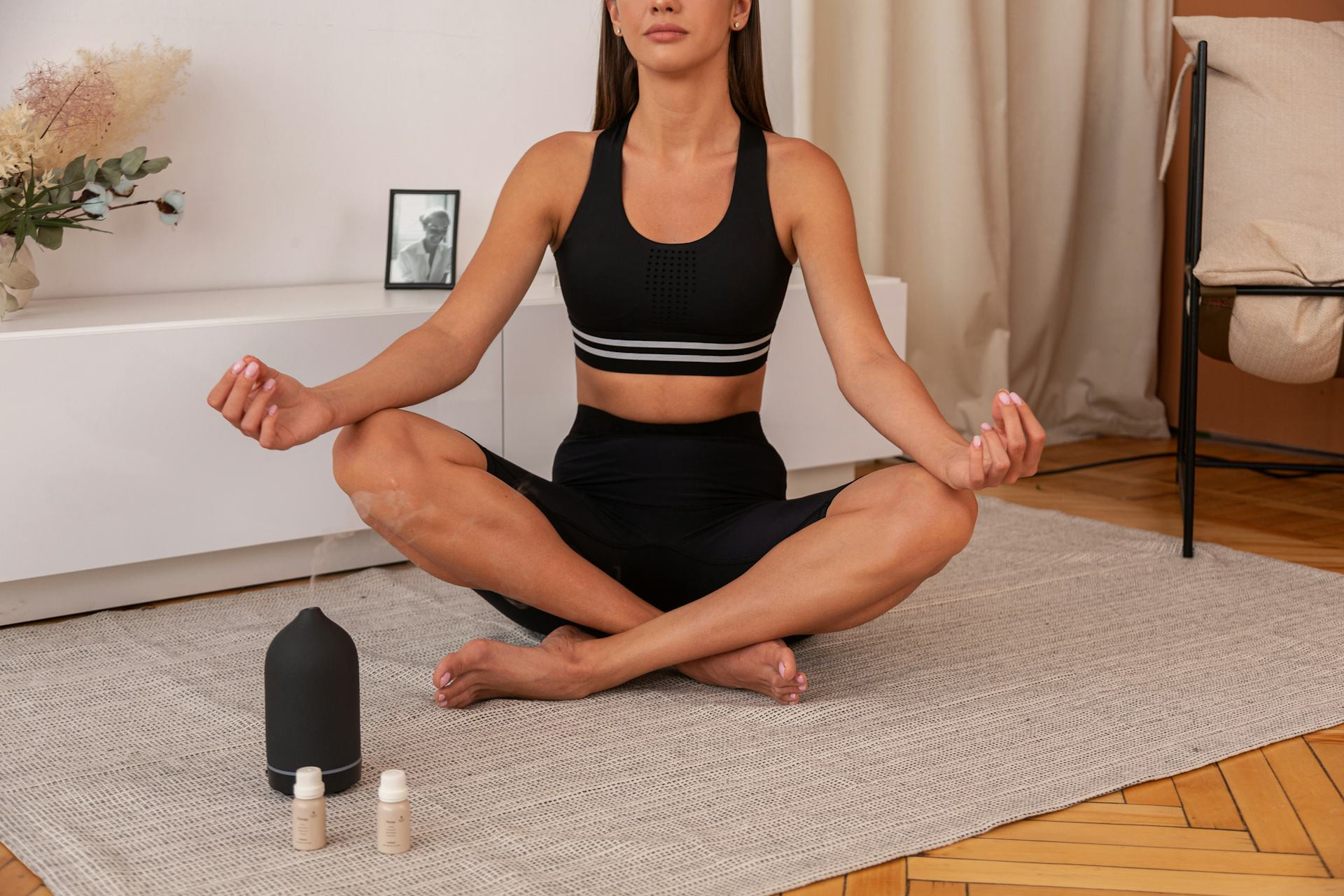
Home Aromatherapy: Finding Balance Between Work and Leisure
In a world where remote work and flexible schedules have blurred the line between professional and personal life, many Americans are looking for simple ways to restore balance at home. Aromatherapy—the use of essential oils to influence mood and well-being—offers a natural and accessible way to create harmony in your living space. With just a few drops of oil and a bit of knowledge, you can transform your home into a place that supports both productivity and relaxation.
What Is Aromatherapy?
Aromatherapy is based on the use of natural plant oils extracted from flowers, leaves, bark, and fruits. Each oil has its own scent profile and effect—some are uplifting and energizing, while others are calming and grounding. When you inhale these scents, they interact with the limbic system in your brain, which governs emotions and memory. This is why certain aromas can instantly shift your mood or help you unwind after a long day.
Creating Scent Zones at Home
If you work from home, aromatherapy can help you define boundaries between work hours and downtime. By using different scents in different rooms—or at different times of day—you can signal to your mind when it’s time to focus and when it’s time to relax.
- For focus and energy: Citrus oils like lemon, grapefruit, and sweet orange bring freshness and clarity. Peppermint and rosemary can also boost concentration and alertness.
- For calm and relaxation: Lavender, chamomile, and sandalwood are classic choices for winding down in the evening.
- For balance and harmony: Geranium and ylang-ylang can help stabilize mood and promote emotional well-being.
Using scent as a cue helps your brain switch gears more easily—from work mode to rest mode.
How to Use Essential Oils at Home
There are many ways to incorporate aromatherapy into your daily routine, depending on your lifestyle and preferences.
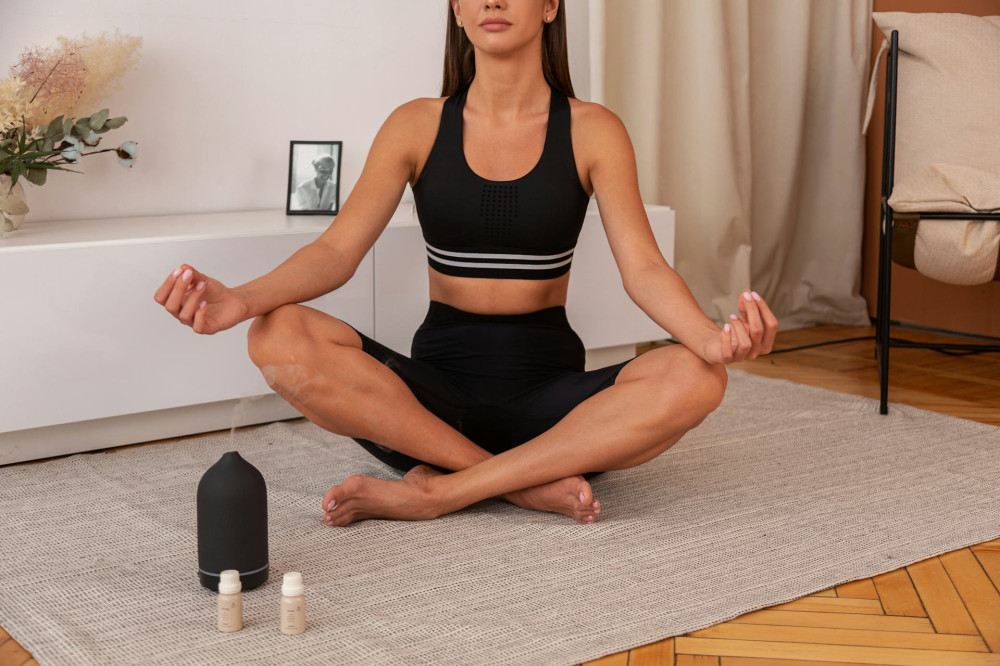
- Diffuser: An electric diffuser disperses the scent evenly throughout a room. Add water and a few drops of oil—perfect for your home office or living room.
- Aromatherapy stones or candles: A simple, decorative way to create atmosphere. Ideal for bedrooms or bathrooms.
- DIY room spray: Mix water, a bit of alcohol, and a few drops of essential oil in a spray bottle. Use it to freshen up your workspace or linens.
- Aromatic bath: Add a few drops of lavender or eucalyptus oil to your bathwater for a soothing end to the day.
Always handle essential oils with care—they are highly concentrated and should be diluted before applying to the skin.
Læs også:
Scent and Routine: Building a Sensory Structure
Aromatherapy isn’t just about fragrance—it’s about ritual. When you pair a specific scent with a particular activity, your body learns to associate that aroma with a certain state of mind. For example, you might use a bright citrus scent each morning as you start work, and a calming lavender scent when you shut down your laptop. Over time, these scents become gentle signals that help you transition smoothly between tasks and moods.
Engaging All the Senses
To enhance the effect, combine aromatherapy with other sensory elements. Light a candle, play soft background music, or add cozy textures like blankets and cushions to your space. Engaging multiple senses at once deepens the sense of comfort and focus, helping you create an environment that supports both performance and rest—without ever leaving home.
Small Steps Toward Greater Balance
You don’t need to overhaul your entire home to feel the benefits. Start with one essential oil you enjoy and use it in a space where you spend a lot of time. Pay attention to how your body and mind respond, and adjust as needed. Aromatherapy is personal—what works for one person may not work for another. The key is to find the scents and routines that help you feel centered, focused, and at ease as you move between work and leisure.
Læs også: