Is Your Home Ready for Future Environmental Standards? Here’s How to Get It Ready

Is Your Home Ready for Future Environmental Standards? Here’s How to Get It Ready
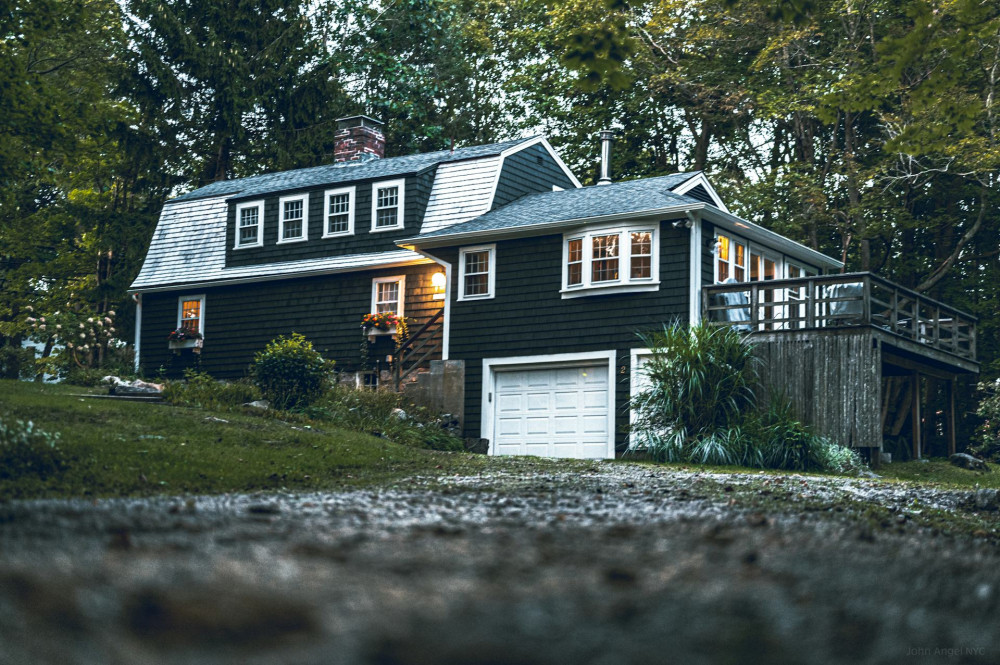
In the coming years, new environmental and energy standards will reshape how American homes are built, renovated, and powered. From stricter building codes to incentives for renewable energy, the shift toward sustainability is accelerating. But what does that mean for homeowners today—and how can you prepare your home for the future? Here’s a guide to understanding what’s coming and how to get ahead of it.
Why Environmental Standards Are Tightening
Residential buildings account for a significant share of the United States’ total energy use and carbon emissions. To meet national climate goals and reduce dependence on fossil fuels, both federal and state governments are introducing tougher efficiency requirements and promoting cleaner energy sources.
These changes aren’t just about compliance—they’re about comfort, health, and long-term savings. A home that meets future standards will typically cost less to operate, maintain a more stable indoor climate, and hold greater resale value.
Start by Understanding Your Home’s Energy Performance
Before making improvements, it’s important to know where your home stands. A Home Energy Audit—often offered by local utilities or certified energy assessors—can identify where your home is losing energy and which upgrades will have the biggest impact.
You can also do a quick self-check:
- Insulation – Are your attic, walls, and floors properly insulated?
- Windows and doors – Are they energy-efficient, or do they leak heat and air?
- Heating and cooling systems – How old are they, and what fuel do they use?
- Electricity use – Are there opportunities to reduce consumption with smarter technology?
An energy audit report will help you prioritize improvements and estimate potential savings.
Læs også:
Insulation and Air Sealing: The Foundation of Efficiency
The cheapest energy is the energy you don’t use. Proper insulation and air sealing are the first steps toward a more efficient home. Many older houses lose large amounts of heat through the roof, walls, and windows.
- Add insulation to attics, crawl spaces, and walls if needed.
- Replace drafty windows with ENERGY STAR®-rated models.
- Seal gaps and cracks around doors, windows, and ducts to prevent air leaks.
Once your home is well-sealed, make sure it’s properly ventilated. A heat recovery ventilation system can maintain fresh air while minimizing heat loss.
Upgrade to Cleaner Heating and Cooling
Heating and cooling typically account for the largest share of household energy use. If your system runs on oil, propane, or an older gas furnace, consider switching to a cleaner alternative.
- Heat pumps—air-source or ground-source—are highly efficient and work in most U.S. climates.
- High-efficiency electric systems can be paired with renewable energy for near-zero emissions.
- Solar thermal systems can help heat water and reduce your reliance on fossil fuels.
Federal tax credits and state rebate programs can significantly reduce the upfront cost of these upgrades.
Make Your Electricity Smarter and Greener
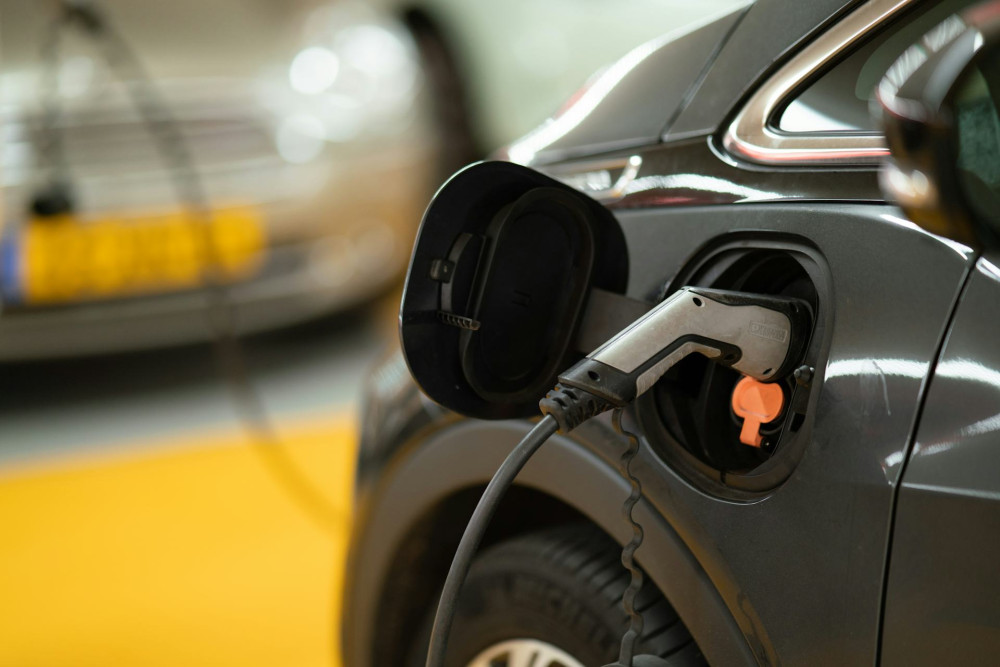
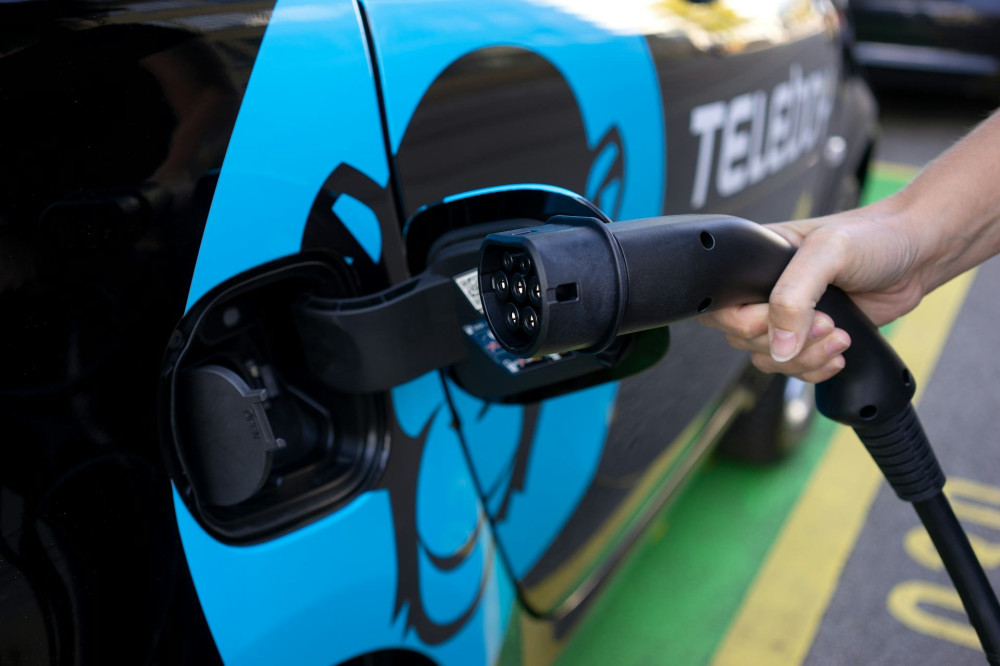
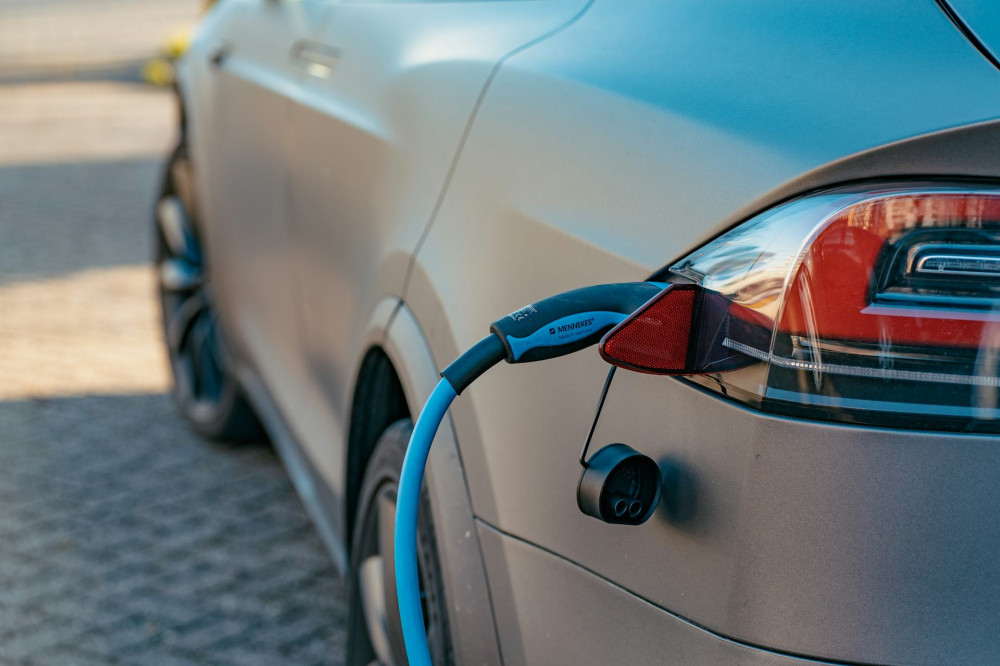
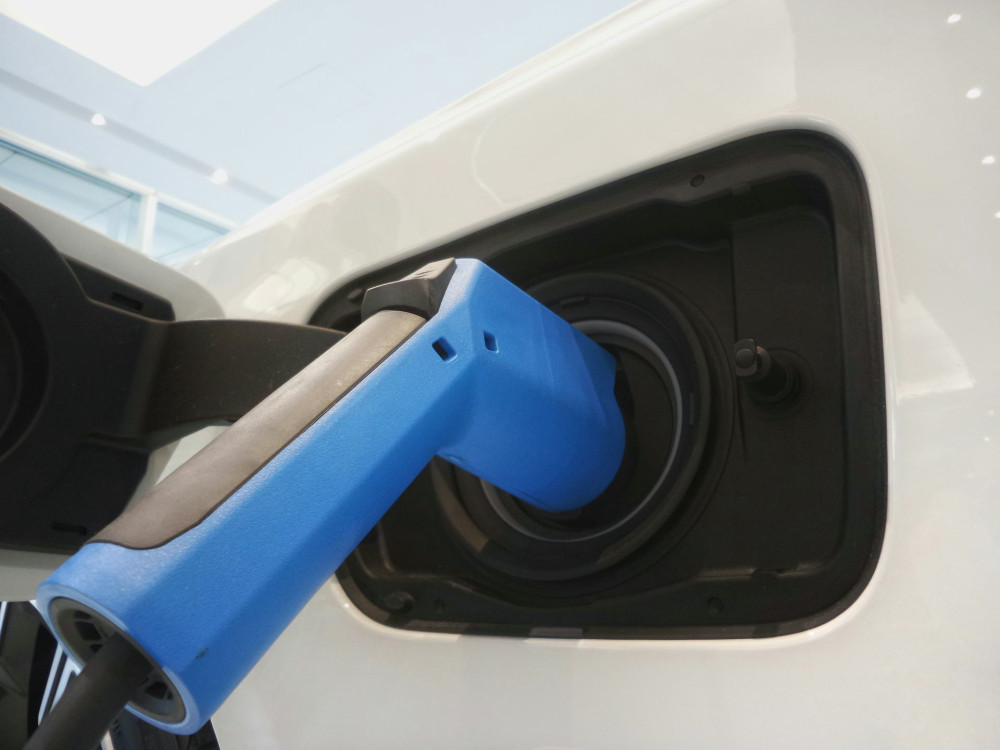
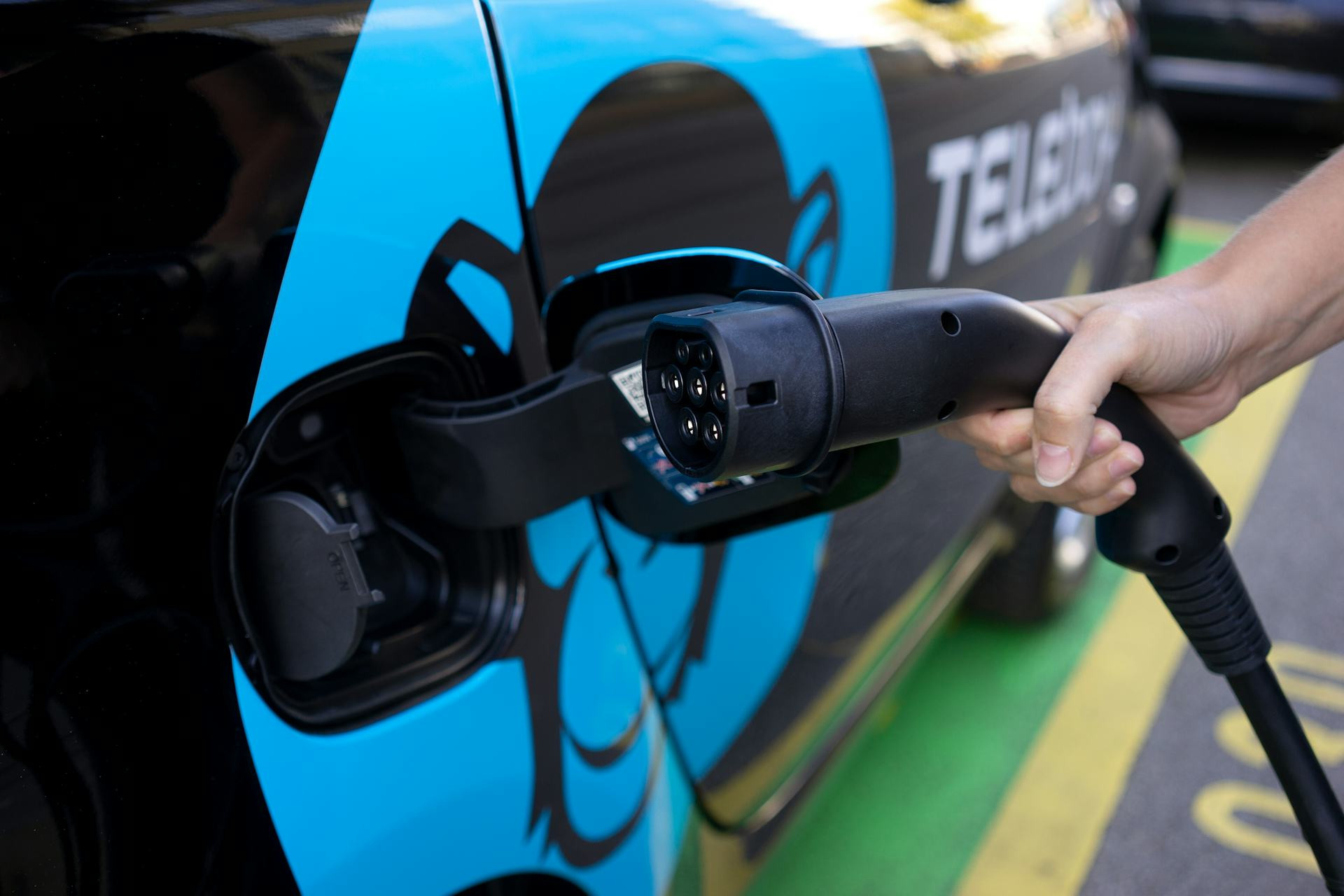
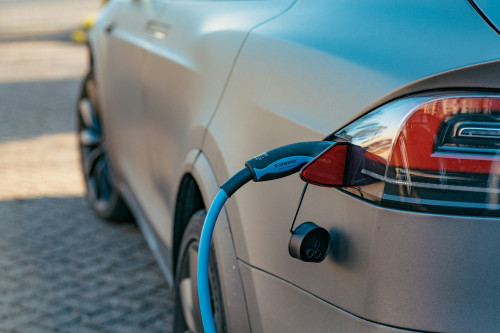
As more homes add electric vehicles, smart appliances, and home offices, electricity demand is rising. Managing that demand efficiently is key.
- Replace old bulbs with LED lighting and choose ENERGY STAR® appliances.
- Install smart thermostats and home energy management systems to optimize usage.
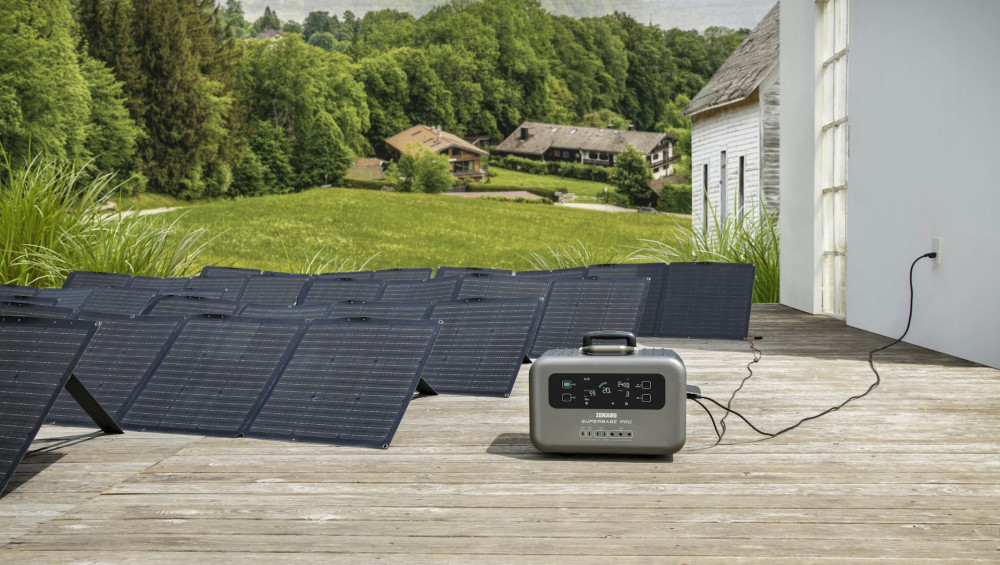
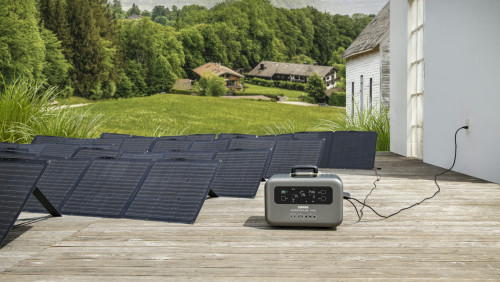
- Consider rooftop solar panels or community solar programs to generate your own clean power.
Many utilities now offer time-of-use rates, allowing you to save money by using electricity when it’s cheapest and cleanest.
Don’t Forget Water and Materials
Sustainability isn’t just about energy. Water conservation and material choices also matter.
- Install low-flow faucets, showerheads, and toilets to cut water use.
- Collect rainwater for outdoor irrigation where local regulations allow.
- When remodeling, choose sustainable materials such as certified wood, recycled products, or low-VOC finishes that improve indoor air quality.
These choices reduce your environmental footprint and create a healthier living space.
Plan for the Long Term
You don’t have to do everything at once. The best approach is to create a long-term improvement plan, starting with the upgrades that deliver the biggest benefits. Combine energy improvements with planned renovations—like adding insulation when replacing siding or upgrading windows during a remodel—to save time and money.
A Home Ready for the Future
Preparing your home for future environmental standards isn’t just about meeting regulations—it’s about building a home that’s efficient, resilient, and comfortable for years to come. The investments you make today can lower your bills, increase your property value, and help protect the planet.
The home of the future doesn’t have to be brand new—it just needs to be smart, efficient, and built with care for both people and the environment.
Læs også: