Pack Like a Pro: Put Heavy Items on the Bottom and Light Ones on Top

Pack Like a Pro: Put Heavy Items on the Bottom and Light Ones on Top
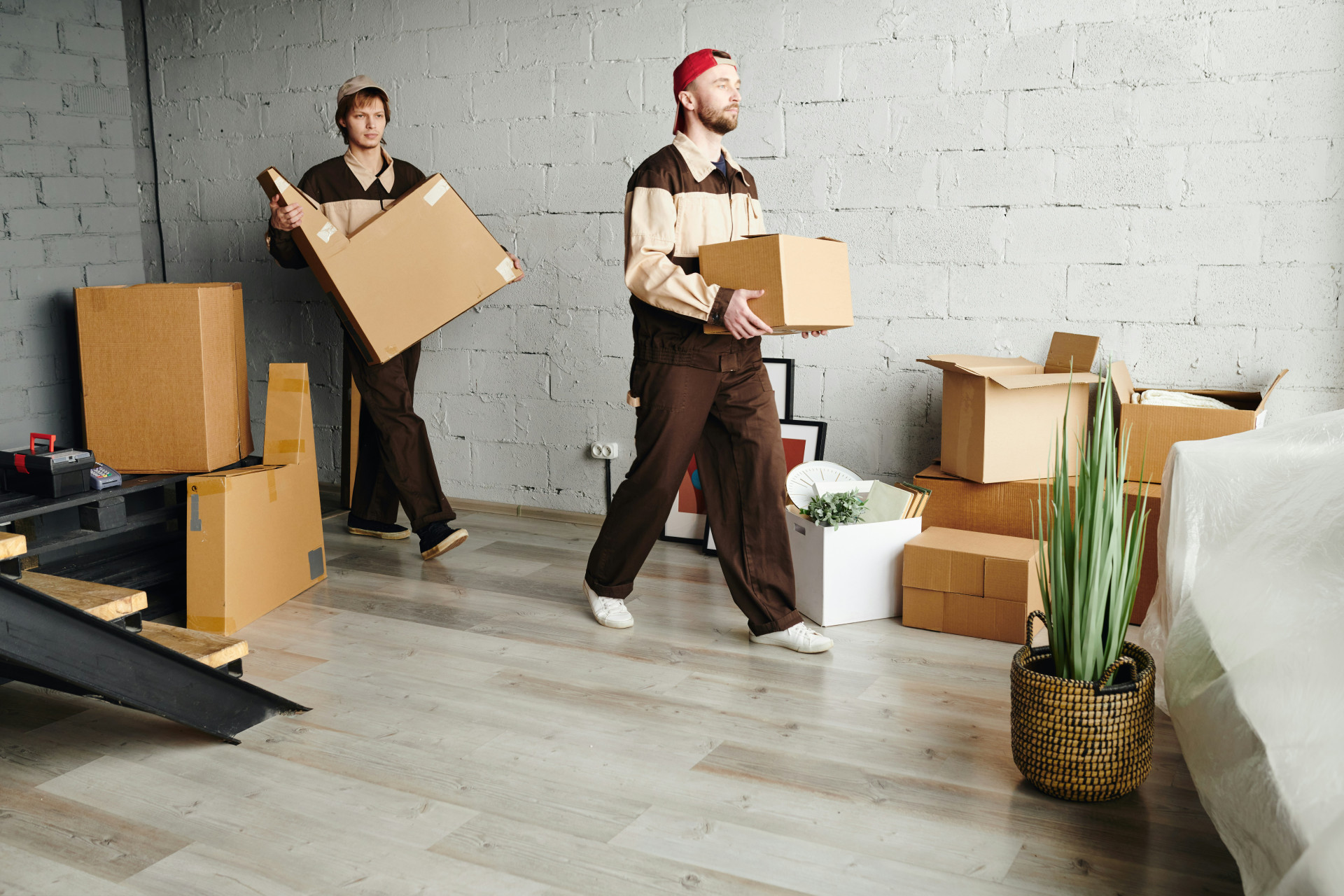
Whether you’re moving to a new home, heading out on a road trip, or just organizing your storage space, the way you pack can make all the difference. A well-packed box, suitcase, or car isn’t just easier to handle—it also keeps your belongings safe from damage. The golden rule is simple but essential: heavy items on the bottom, light ones on top. Here’s how to pack like a pro and avoid the most common mistakes.
Why Weight Distribution Matters
Placing heavy items at the bottom creates a stable base that prevents boxes from tipping over and fragile items from being crushed. Lighter items on top ensure they don’t bear unnecessary weight. It all comes down to gravity and balance—two factors that can save you from frustration and broken belongings.
If you pack a box with books on top and pillows underneath, the box will quickly lose its shape, and the contents could be damaged. But if you start with the books at the bottom and fill the rest with soft items, you’ll have a sturdy, well-balanced box.
How to Pack Moving Boxes Efficiently
A good moving box should be easy to lift, stable, and well-organized. Follow these steps for the best results:
- Start with the heavy stuff—like books, cookware, or dishes. Lay them flat and close together so the weight is evenly distributed.
- Fill in the gaps—use towels, clothing, or packing paper to keep items from shifting during transport.
- Finish with the light items—such as bedding, clothes, or plastic containers. These also act as a cushion for what’s underneath.
- Seal and label clearly—write both the contents and the room it belongs to. It’ll make unpacking much easier.
A good rule of thumb is to keep each box under 40 pounds. That makes them easier to carry and reduces the risk of injury—to both your back and your belongings.
Packing a Suitcase or Backpack
The same principle applies when you’re packing for a trip. In a suitcase, place shoes, books, or your toiletry bag near the wheels. That way, the suitcase stays balanced when you roll it. In a backpack, keep the heaviest items close to your back and centered vertically. This helps distribute the weight evenly and reduces strain on your shoulders.
Roll your clothes instead of folding them—it saves space and helps prevent wrinkles. Use small pouches or packing cubes to organize socks, electronics, and toiletries so you can find what you need quickly.
Packing the Car
When loading up your car for a move or a vacation, safety comes first. Heavy items should go low and as close to the center of the car as possible. This improves handling and prevents things from flying around if you have to brake suddenly.
- Place the heaviest boxes against the back seat.
- Fill empty spaces with soft items like blankets or duffel bags.
- Avoid stacking too high—it can block your view and make the car unstable.
If you’re using a rooftop cargo box, remember that it’s only for lightweight items like clothes, sleeping bags, or toys. Too much weight up top can make your vehicle harder to control.
Protecting Fragile Items
Glassware, ceramics, and electronics need extra care. Wrap each piece individually in bubble wrap or packing paper, and place them in the middle of the box surrounded by soft materials. Never stack heavy items on top, even if they’re well-padded. Use “Fragile” labels so you or your movers know to handle those boxes with care.
Læs også:

Plan and Pack Ahead
Professional movers know that good planning is half the job. Start early and pack one room at a time. It helps you stay organized and reduces stress on moving day. Make a checklist of what needs to be packed and in what order.
When you pack systematically and pay attention to weight distribution, both moving and unpacking become much smoother.
Simple Principles, Big Results
Packing like a pro isn’t about fancy gear—it’s about using common sense and a bit of structure. By putting heavy items on the bottom and light ones on top, you protect your belongings, make transport safer, and save time when unpacking. It’s a small effort that pays off in a big way—whether you’re moving, traveling, or just tidying up at home.
Læs også: