Prevent Bad Odors in Your Washing Machine with Simple Maintenance

Prevent Bad Odors in Your Washing Machine with Simple Maintenance
A clean, fresh-smelling washing machine is the secret to laundry that truly smells good. Yet many people notice that, over time, their washer starts to develop a sour or musty odor—especially if they often wash at low temperatures. The good news is that a few simple habits can keep your machine smelling fresh and running efficiently. Here’s how to prevent bad odors in your washing machine with easy maintenance.
Why Does a Washing Machine Start to Smell?
Bad odors usually come from a buildup of detergent residue, dirt, and bacteria. When you wash mostly in cold or warm water, the machine doesn’t get hot enough to dissolve soap scum or kill bacteria. Over time, this buildup collects in the drum, rubber gasket, and drain area—creating the perfect environment for unpleasant smells.
Moisture also plays a big role. If you close the washer door right after a cycle, trapped humidity can lead to mold and mildew growth. That’s why good maintenance is about both cleaning and allowing the machine to dry properly.
Clean the Washer Regularly
A thorough cleaning once a month can make a big difference. It doesn’t take long, but it effectively prevents odor and grime buildup.
- Run a hot cleaning cycle – Set your washer to the hottest setting (around 140–190 °F) and run it empty. Add a cup of white vinegar or a washing machine cleaner to help dissolve residue and kill bacteria.
- Clean the detergent drawer – Remove it completely, rinse it under warm water, and scrub away any leftover detergent or fabric softener.
- Wipe the rubber gasket – Use a damp cloth and a mild cleaner to wipe around the door seal. Be sure to get into the folds where dirt and moisture often hide.
- Check and clean the filter – Many front-load washers have a small filter near the bottom front panel. Remove it and clear out lint, hair, and small debris that can cause odor and drainage issues.
Doing this regularly keeps your washer fresh and efficient.
Let the Washer Air Out
After every load, leave the door and detergent drawer open so moisture can evaporate. This simple step prevents mold and mildew from forming. If possible, wipe down the drum and gasket with a dry cloth to remove any remaining water.
A good habit is to keep the washer door slightly ajar when it’s not in use—this alone can make a big difference in preventing odor.
Use the Right Amount of Detergent
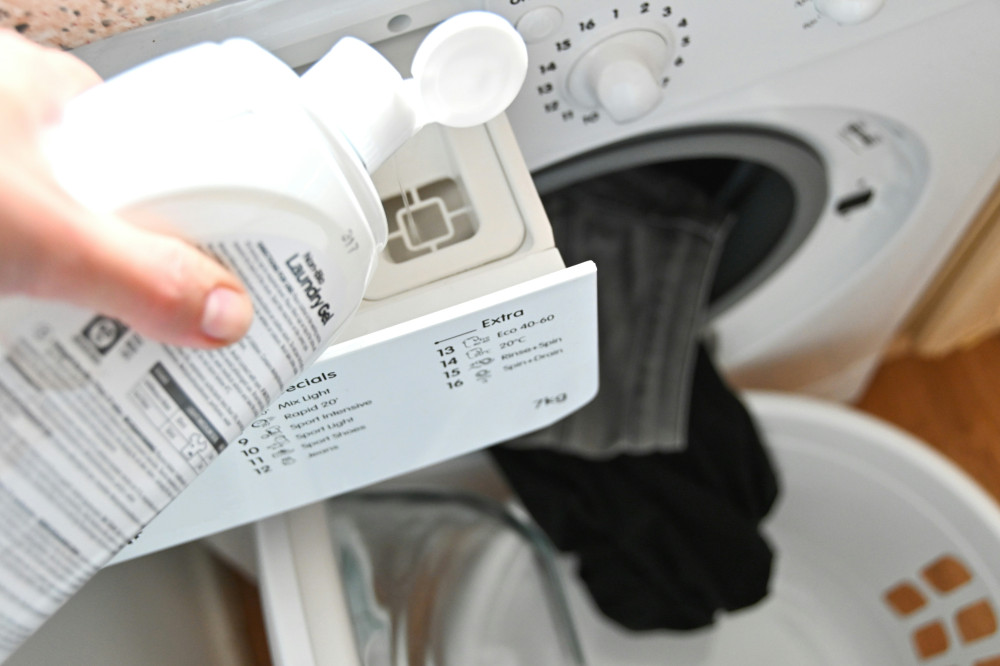
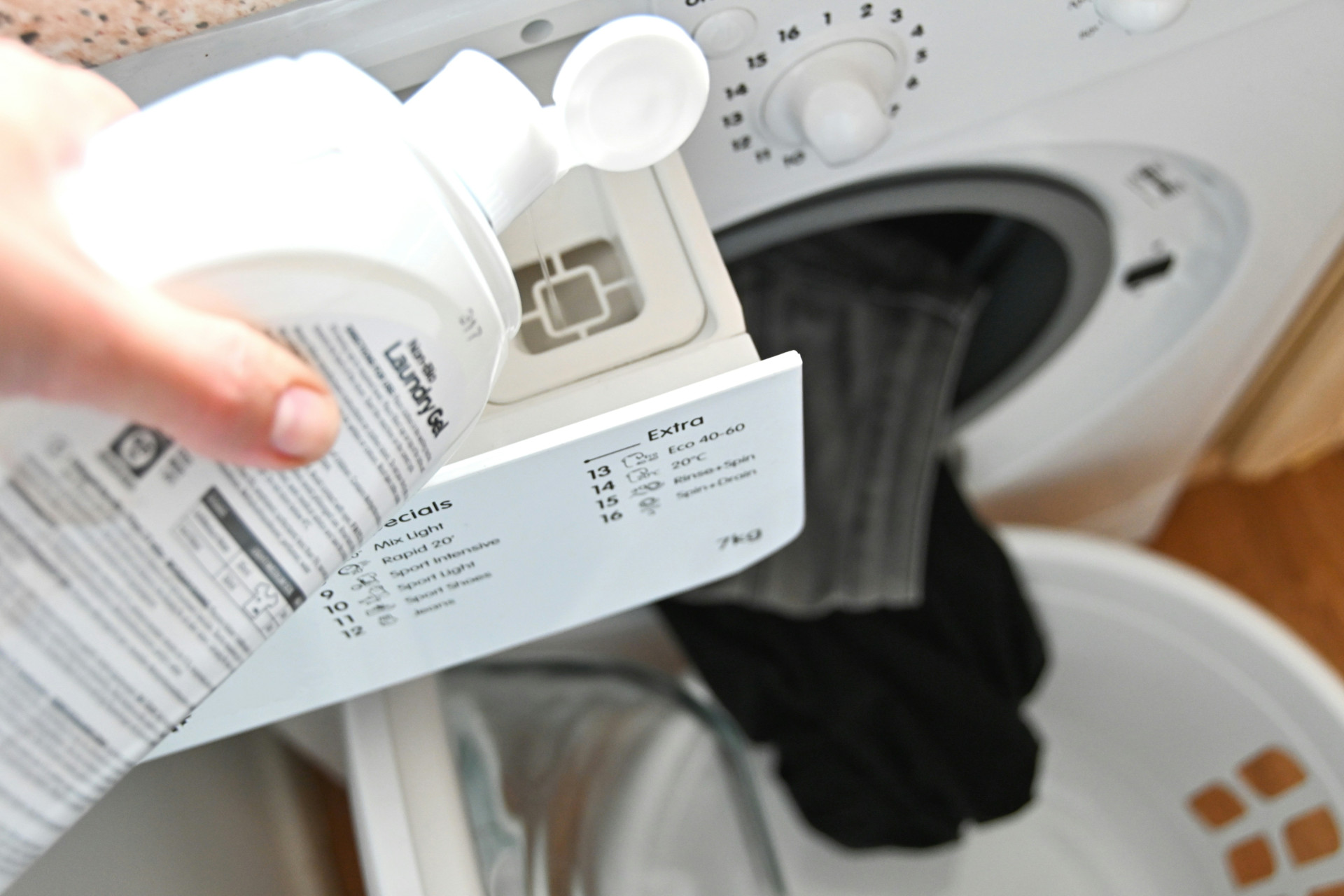
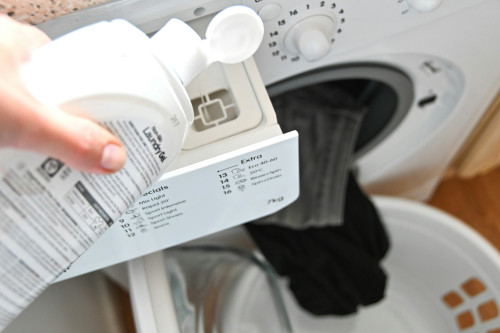
More detergent doesn’t mean cleaner clothes. In fact, using too much can leave behind residue that builds up inside the machine. Always follow the dosing instructions on the detergent package, and adjust the amount based on your water hardness and how dirty your laundry is.
If you live in an area with hard water, consider using a detergent formulated for it or add a water softener to help prevent mineral buildup.
Run a Hot Wash Occasionally
Even though modern detergents work well in cold water, your washer still benefits from a hot cycle now and then. Run a load of towels or bedding on a hot setting (at least 140 °F) to kill bacteria and flush out residue. This helps keep the inside of your machine clean and odor-free.
Læs også:


Don’t Leave Wet Laundry Sitting
When a cycle finishes, remove your clothes right away. Leaving damp laundry in the washer for hours creates a humid environment that encourages odor and mildew—both in your clothes and in the machine. Move your laundry to the dryer or hang it up as soon as possible.
Extra Tips for a Fresh-Smelling Washer
- Use white vinegar as a natural fabric softener—it helps remove buildup and neutralize odors.
- Wipe the door seal after each wash to remove moisture.
- Avoid using too much fabric softener, which can leave a greasy film inside the washer.
- Use a washing machine cleaner a few times a year, especially if you wash mostly in cold water.
A Small Effort with Big Results
Your washing machine doesn’t need much maintenance, but a little regular care goes a long way. By cleaning, drying, and using it properly, you can prevent bad odors and extend its lifespan. The result? Fresher laundry and a washer that stays in great shape for years to come.
Læs også: