The Sofa’s Materials and the Room’s Acoustics: An Overlooked Connection

The Sofa’s Materials and the Room’s Acoustics: An Overlooked Connection
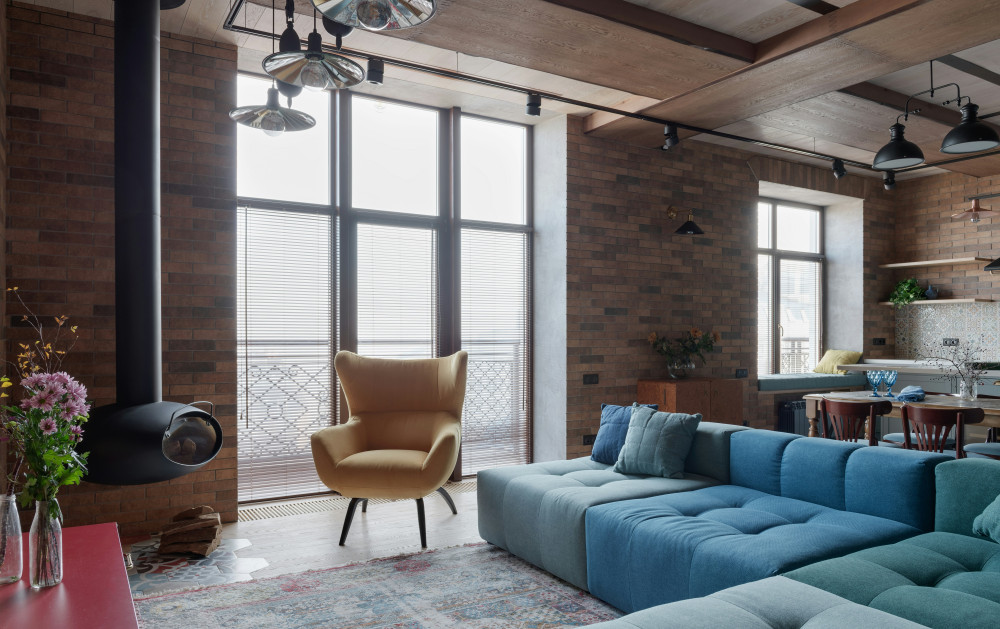
When choosing a sofa, most of us focus on comfort, design, and color. But few consider how the sofa’s materials influence the sound of a room. Textiles, padding, and surface finishes all play a surprisingly important role in acoustics—and in how we experience a space overall. A sleek, minimalist living room can easily sound echoey and harsh, while a soft, fabric-covered sofa can absorb sound and create a sense of calm.
Why Acoustics Matter at Home
Acoustics describe how sound moves and reflects within a space. Rooms with many hard surfaces—like hardwood floors, glass, and concrete—tend to bounce sound around, creating echoes and an unpleasant reverberation. This can make conversations tiring and TV dialogue harder to follow.
Soft materials such as fabric, wool, and foam, on the other hand, absorb part of the sound energy. They “soak up” noise and prevent excessive reflections. That’s why furniture, curtains, and rugs can be just as important for a room’s sound quality as walls and ceilings.
The Sofa as a Sound-Absorbing Element
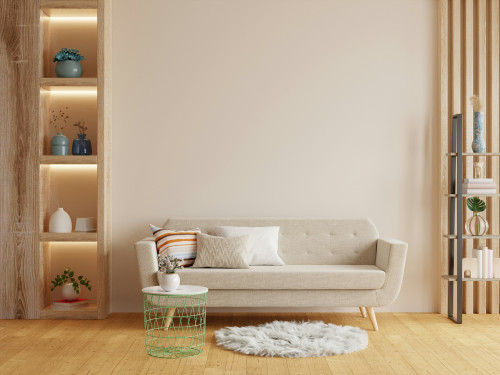
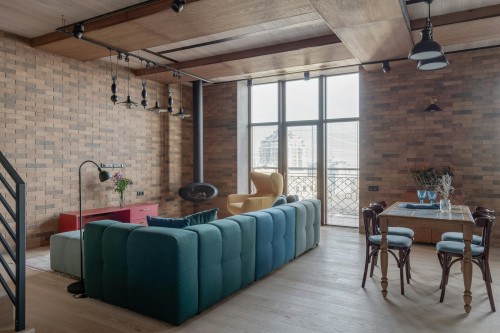
The sofa is often the largest piece of furniture in a living room—and therefore one of the most influential when it comes to acoustics. A deep, fabric-upholstered sofa with generous padding can act as a natural sound absorber. It helps reduce mid- and high-frequency reflections, which are the ones we perceive as sharp or harsh.
A leather or faux-leather sofa, by contrast, reflects more sound. That doesn’t mean you should avoid leather altogether, but it’s worth thinking about balance. If your sofa has a smooth, reflective surface, you can compensate with soft accessories like throw pillows, blankets, or a thick area rug.
How Materials Make a Difference
- Fabric sofas: Textiles such as cotton, linen, and wool are excellent at absorbing sound. The thicker and more textured the fabric, the better the acoustic damping.
- Leather sofas: Smooth surfaces reflect sound, but the natural irregularities of leather can still scatter it slightly. Pair a leather sofa with soft elements around it to maintain balance.
- Filling and structure: Foam, down, and springs all affect how much sound a sofa absorbs. A sofa with dense foam and deep seating will typically dampen sound more effectively than a light, firm model.
Designing with Sound in Mind
If your living room feels echoey, you can improve the acoustics without sacrificing style. Start by identifying how many hard surfaces you have—and where you can introduce softer materials.
- Position the sofa a few inches away from the walls to reduce direct sound reflections.
- Use pillows, throws, and rugs as both decorative and acoustic tools.
- Choose curtains made from heavier fabrics, especially if you have large windows.
- Combine the sofa with other sound-absorbing pieces, such as upholstered chairs or fabric wall panels.
Even small adjustments can make a big difference in how a room sounds—and feels.
Læs også:
A Complete Sense of Comfort
A sofa isn’t just about how it looks or how comfortable it is to sit on. It also shapes how we experience a room with our ears. The right sofa can create harmony between aesthetics, comfort, and sound—making everyday life more pleasant.
So next time you’re shopping for a sofa, don’t just think about color swatches and design lines. Consider how the materials will shape the sound of your home. It’s a detail that often goes unnoticed—but it can make all the difference.
Læs også: