Use Plants as Natural Room Dividers in Open Spaces

Use Plants as Natural Room Dividers in Open Spaces
Open floor plans are a hallmark of modern American homes. They create a sense of spaciousness, light, and connection—but they can also feel a bit too open at times. Without clear boundaries, it can be hard to define areas for relaxing, dining, or working. That’s where plants come in. Using greenery as natural room dividers is an easy, flexible, and beautiful way to bring structure and warmth to open spaces.
Create Functional and Inviting Green Zones
Plants can help you visually separate different areas without blocking light or airflow. Instead of building walls or adding bulky furniture, you can use tall plants, planters, or plant stands to define zones. For example, a cluster of large plants can mark the transition between a living area and a dining space, or between a home office and a lounge area.
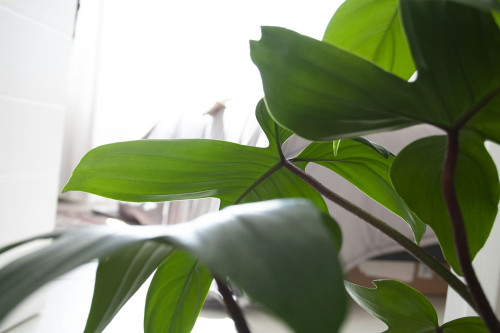
Statement plants like fiddle-leaf figs, bird of paradise, or rubber plants make striking natural “columns” that draw the eye upward. Combine them with smaller plants in decorative pots or planters to add depth and texture.
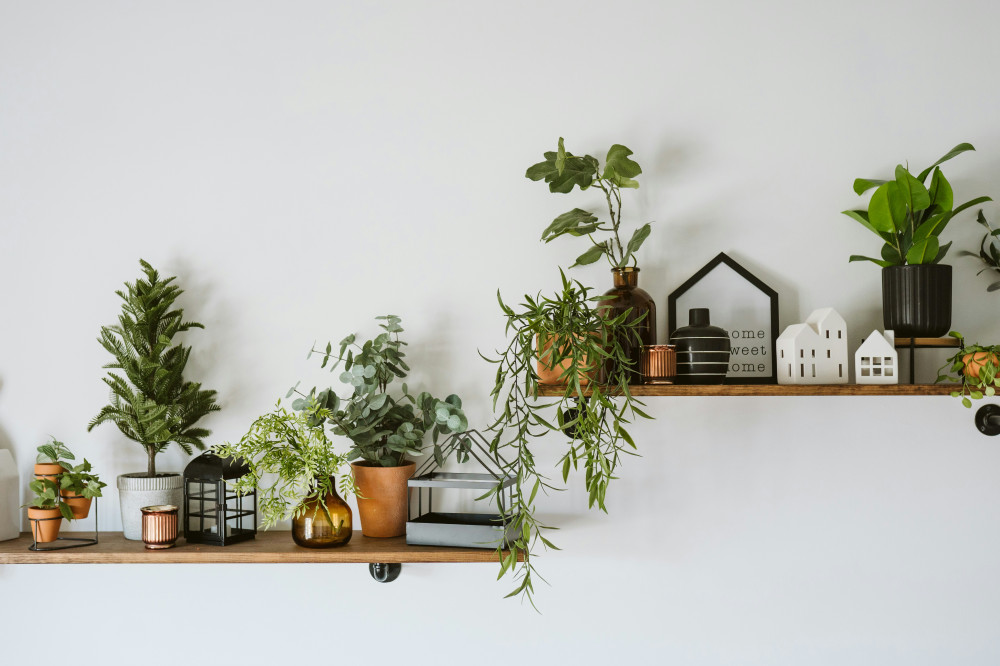
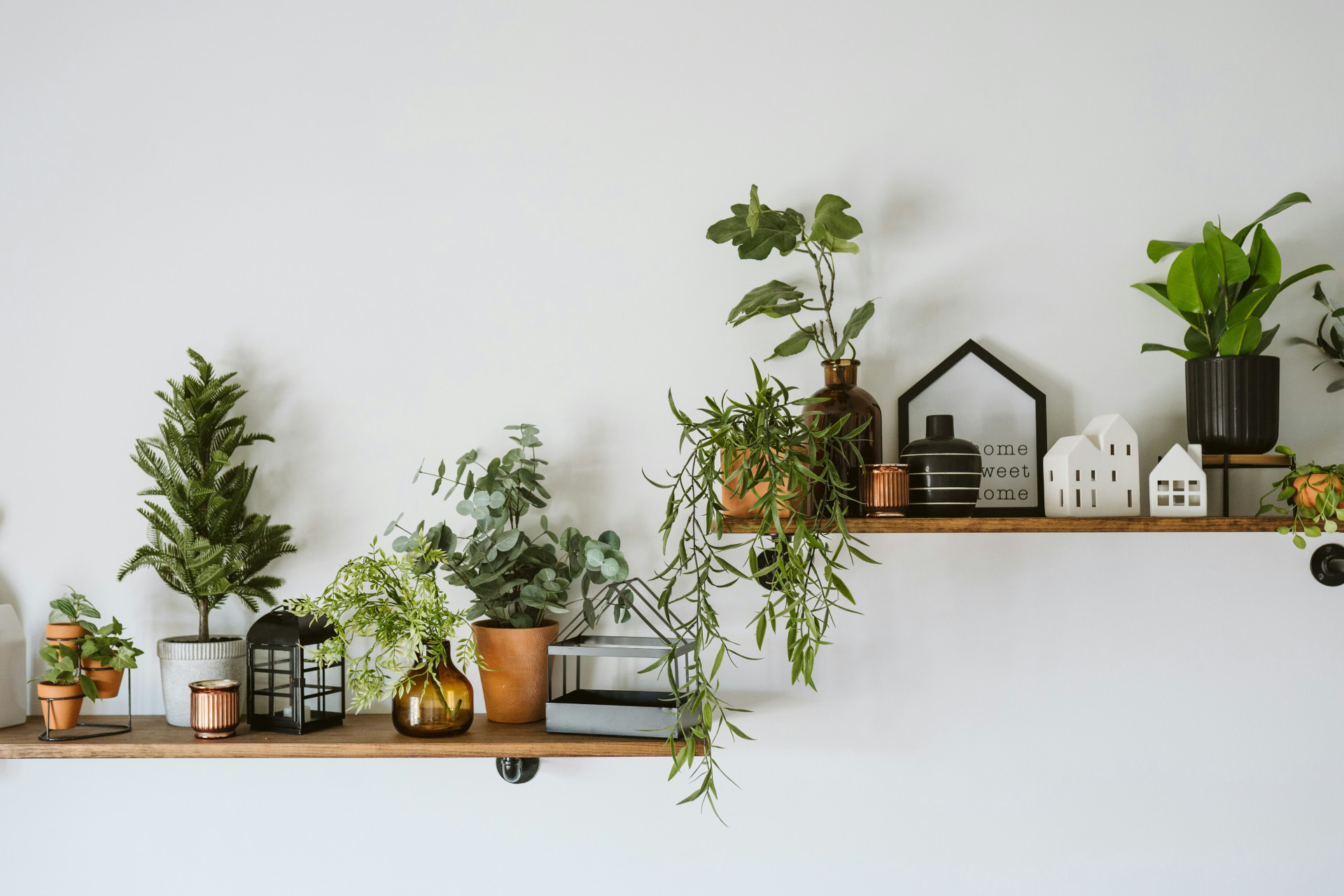
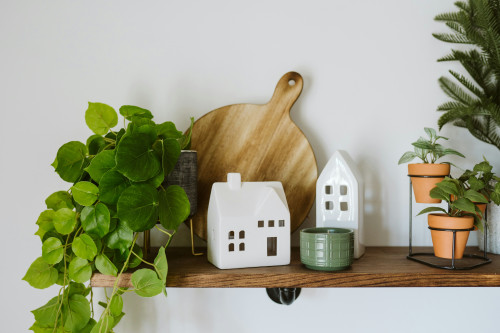
If you prefer a lighter, more open look, try open shelving with plants or tiered plant stands. These allow light to pass through while still creating a sense of separation.
Go Vertical When Floor Space Is Limited
In apartments or smaller homes, vertical solutions can make a big difference. A living wall or hanging plant installation can act as a green divider without taking up valuable floor space.
Hang plants at varying heights from the ceiling, or use wall-mounted planters to create a natural partition between zones. Trailing plants like pothos, philodendron, and English ivy are perfect for this—they grow downward and form a soft, leafy curtain.
Another great option is bamboo or ornamental grasses planted in long troughs or planters. They create a light but distinct boundary and can easily be moved or rearranged as your needs change.
Choose Plants That Thrive Indoors
When selecting plants for indoor dividers, consider the light and temperature in your space. In bright, sunny rooms, tropical plants such as palms, bird’s nest ferns, and strelitzia thrive. For lower-light areas, go for hardy varieties like ZZ plants, peace lilies, or snake plants, which require minimal care.
Think about maintenance, too. Some plants need regular watering and pruning, while others are nearly self-sufficient. Mixing low-maintenance plants with a few showy species can create a balanced, dynamic look that’s easy to care for.
Læs også:

Improve Acoustics and Air Quality
Plants do more than just look good—they also make your home more comfortable. Dense greenery can help absorb sound, reducing echo and noise in open spaces. Large leaves and thick foliage are especially effective at softening acoustics.
In addition, plants naturally improve indoor air quality by filtering pollutants and increasing humidity. This makes them a smart choice for open-plan homes, where air can feel dry or stale, especially during winter months.
Flexible and Ever-Changing Design
One of the best things about using plants as room dividers is their flexibility. You can move them, swap them out, or let them grow into new shapes over time. Your space can evolve with the seasons—lush and cozy in winter, airy and light in summer.
Because plants are living elements, they bring a sense of movement and renewal that static walls or screens can’t match. They make your home feel alive and adaptable.
A Natural Way to Balance Openness and Comfort
Using plants as natural room dividers is about more than just design—it’s about creating balance. Greenery softens the edges of open spaces, adds warmth, and connects your home to nature.
Whether you live in a city loft, a suburban house, or a compact apartment, plants can help you shape your space in a way that feels both open and intimate. With a few thoughtful choices, you can turn your open floor plan into a living, breathing environment that’s as functional as it is beautiful.
Læs også: