Adapt Your Home and Sensory Experiences to Your Pet’s Age and Temperament

Adapt Your Home and Sensory Experiences to Your Pet’s Age and Temperament
A pet is more than just an animal in your home – it’s a family member with its own needs, habits, and emotions. Just like people, pets change as they age, and their temperament plays a big role in how they thrive day to day. By adapting your home and the sensory experiences your pet encounters, you can create an environment that supports comfort, curiosity, and quality of life – whether you have a playful kitten, a calm senior dog, or a sensitive rabbit.
Understand Your Pet’s Age and Life Stage
Age affects energy levels, senses, and physical abilities. Young animals often crave stimulation and adventure, while older pets appreciate predictability and peace.
- Young pets are eager explorers. They learn through play, sound, and movement. Make sure their surroundings are safe, with plenty of opportunities to explore without risk of injury.
- Adult pets usually have an established routine. Focus on maintaining their well-being through consistent schedules, appropriate exercise, and mental enrichment.
- Senior pets may experience reduced hearing, vision, or mobility. They benefit from soft bedding, easy access to food and water, and calm spaces without sudden changes.
Observing your pet’s behavior is the best way to understand where they are in life – and how you can best support them.
Læs også:



Create a Home That Matches Their Temperament
Temperament varies widely, even among pets of the same species or breed. Some animals love activity and company, while others prefer quiet and solitude.
- The curious and active pet needs challenges. Rotate toys regularly, set up small obstacle courses, or hide treats for them to find. This keeps their mind sharp and prevents boredom.
- The cautious or sensitive pet needs security. Keep routines consistent, minimize loud noises, and provide a safe retreat – a cozy blanket in a corner or a covered bed can make a big difference.
- The social pet thrives on interaction. Spend time talking, petting, and playing – but also respect their signals when they need a break.
Adapting your home isn’t just about physical space; it’s also about atmosphere. Pets pick up on emotions and respond to stress, tension, and raised voices. A calm home is a safe home – for everyone.
Sensory Experiences – Stimulate Without Overwhelming
Pets experience the world through their senses. Smell, sound, touch, and sight all influence their comfort and happiness. By being mindful of these, you can create a more balanced environment.
- Sound: Avoid constant background noise from TV or loud music. Some pets relax with gentle tunes or nature sounds, while others prefer quiet. Try different options to see what soothes your pet.
- Smell: Pets have a far stronger sense of smell than humans. Avoid strong cleaning products or air fresheners, and choose unscented or pet-safe alternatives. Familiar scents, like a blanket that smells like you, can provide comfort.
- Touch: Many pets find reassurance in physical contact, but it should always be on their terms. Learn to read their body language – a pet that turns away or stiffens may need space.
- Sight: Give your pet something interesting to look at. A window perch for a cat to watch birds or a spot where your dog can see outside provides mental stimulation and reduces boredom.
The key is balance. Too much stimulation can cause stress, while too little can lead to restlessness or apathy.
Adjust Daily Life as Your Pet Ages
As pets grow older, their needs change gradually. They may struggle to jump onto furniture, hear your voice, or chew hard treats. Small adjustments can make a big difference:
- Add non-slip rugs to smooth floors.
- Raise food and water bowls for easier access.
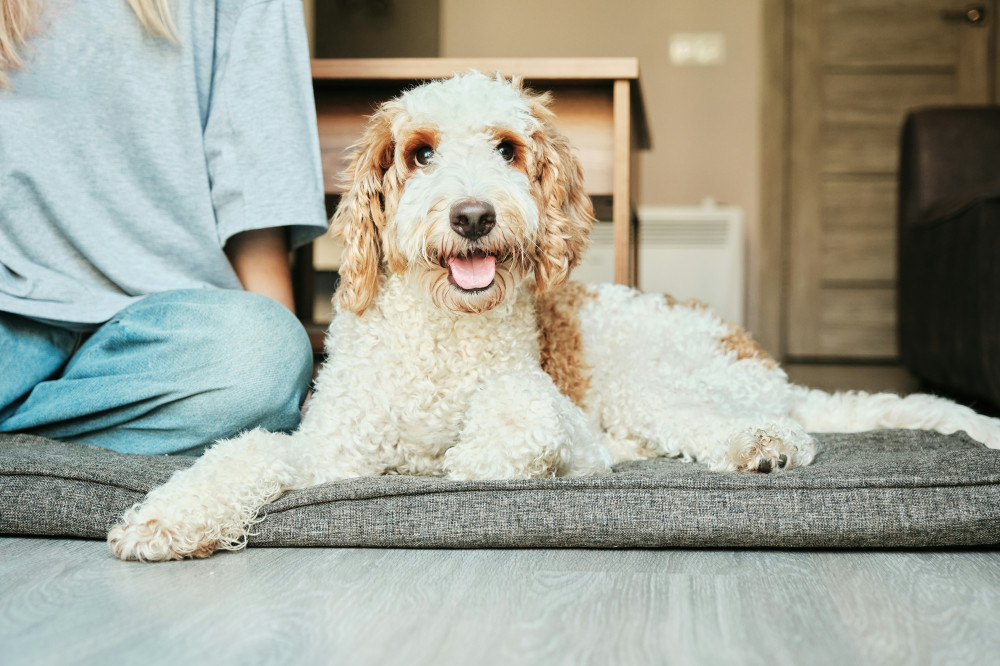
- Provide warm, cushioned resting spots.
- Take shorter but more frequent walks.
- Use lighting and contrast to help pets with poor vision navigate safely.
Older pets often need more rest, but they still enjoy gentle engagement. A slow walk, a soft brushing session, or simply sitting together can bring them comfort and joy.
A Balanced Home – for Pets and People Alike
Adapting your home to your pet ultimately means creating harmony. A space where both you and your pet thrive is built on understanding and respect for each other’s needs. When you consider age, temperament, and sensory experiences, you give your pet the best gift possible – a life that feels safe, stimulating, and full of love.
Læs også: