Moving with Pets: How to Pack and Transport Them Safely


Moving with Pets: How to Pack and Transport Them Safely
Moving is rarely stress-free—and that goes for your pets, too. For animals, a move can be confusing and unsettling as familiar smells, sounds, and routines suddenly change. With some planning and care, however, you can make the transition much smoother for your furry (or feathered) family members. Here’s a guide to help you pack, transport, and settle your pets safely into their new home.
Preparing Before the Move
Start preparing well before moving day. Pets can sense when something is changing, and the sight of boxes and shifting routines can make them anxious.
- Keep routines consistent. Feed, walk, and play with your pet at the usual times to maintain a sense of normalcy.
- Pack gradually. Avoid turning the house upside down all at once. Begin with rooms your pet uses the least.
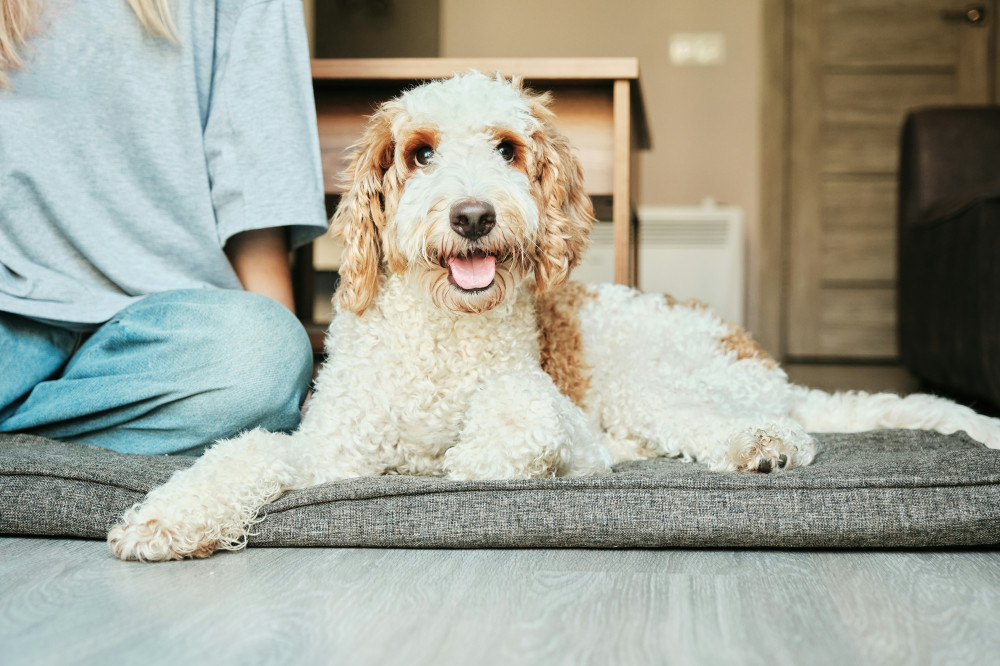
- Create a “safe zone.” Set up a quiet space where your pet can retreat while you pack. Include water, toys, and a blanket or bed that smells like home.
- Update identification. Make sure your pet’s microchip, ID tag, and registration reflect your new address and phone number. This is crucial in case your pet gets lost during the move.
If you’re moving to another state, check local pet regulations—some states require specific vaccinations or health certificates.
Læs også:

Packing: What to Bring for Your Pet
When you’re packing for moving day, prepare a separate bag or box with everything your pet will need for the first few days.
- Food and bowls – enough for several days so you don’t have to dig through boxes.
- Water and a travel bottle – especially important on long drives or hot days.
- Favorite toys and bedding – familiar scents help reduce stress.
- Waste bags, litter box, or cage liners – to handle bathroom breaks and accidents.
- Medications and vet records – keep them handy, especially if you’re crossing state lines or have a vet appointment soon after arrival.
Transporting Your Pet Safely
How you transport your pet depends on its size and species, but safety and calm are always top priorities.
- Cats and small animals should travel in a sturdy, well-ventilated carrier secured in the car so it doesn’t slide around. Covering the carrier with a light blanket can help calm nervous pets.
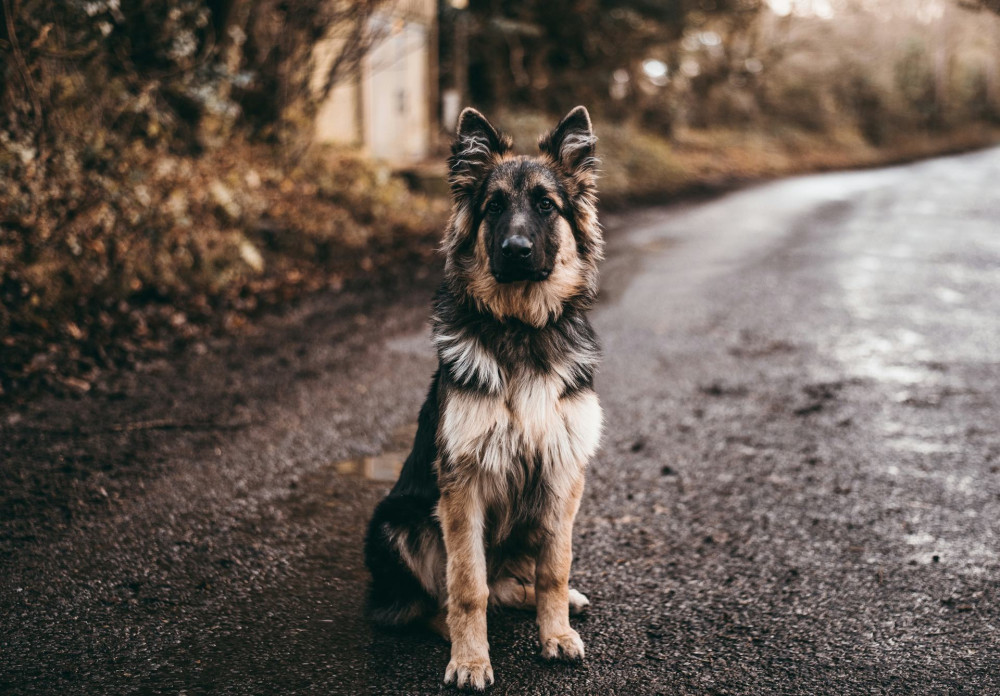
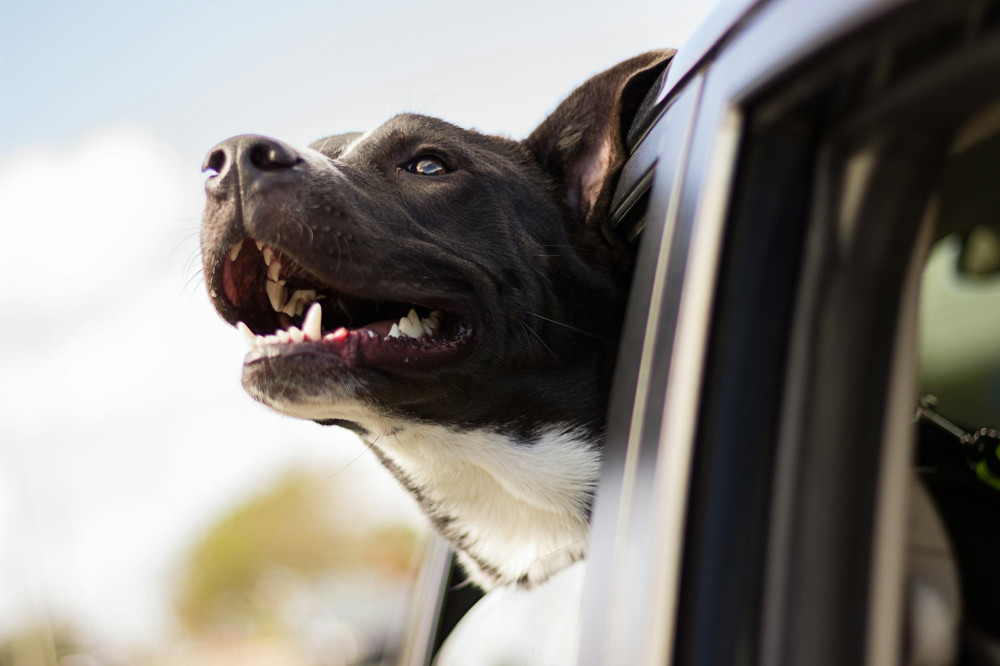
- Dogs should be restrained with a seat belt harness or placed in a secured crate. Never let your dog ride loose in the car—it’s unsafe for both of you.
- Take breaks. Stop every few hours to let your pet stretch, drink water, and relieve itself. Always keep dogs leashed and cats in carriers before opening car doors.
- Avoid extreme temperatures. Never leave pets alone in a parked car, even for a few minutes. Cars can heat up or cool down dangerously fast.
If you’re flying, check airline pet policies well in advance. Some airlines allow small pets in the cabin, while others require them to travel in the cargo hold. Talk to your veterinarian about the best travel plan for your pet’s health and temperament.
Arriving at Your New Home
Once you arrive, give your pet time to adjust to the new environment. Everything smells and sounds different, so patience is key.
- Start small. Let your pet explore one room first, with food, water, and familiar items nearby. Gradually expand their access as they become more comfortable.
- Stick to routines. Keep feeding, walking, and play schedules consistent to help your pet feel secure.
- Be patient. Some pets adapt quickly, while others may take days or weeks. Avoid scolding for accidents—stress can cause temporary setbacks.
- Watch for signs of distress. If your pet refuses to eat, hides constantly, or shows unusual behavior, consult your veterinarian for advice.
Special Considerations for Different Pets
- Cats: Keep them indoors for at least two to three weeks so they can learn the new surroundings safely. When you start letting them outside, do it gradually and supervise at first.
- Dogs: Take short walks around the new neighborhood to help them get used to new scents and routes. Offer praise and treats when they seem relaxed.
- Small animals and birds: Place cages in a quiet, draft-free area. Wait until they seem calm before moving the cage to a new spot.
- Fish: Move some of the old tank water and the filter media to preserve beneficial bacteria. Let fish acclimate slowly to the new water temperature and chemistry.
A Calm Start in Your New Home
Moving with pets takes extra effort, but it’s worth it to ensure their comfort and safety. With thoughtful preparation, patience, and plenty of reassurance, your pets will soon feel at home again—and you’ll all be ready to enjoy your new surroundings together.
Læs også: