Avoid Glare from Glass and Metal with the Right Lighting

Avoid Glare from Glass and Metal with the Right Lighting
Glare from glass, shiny surfaces, and metal fixtures can quickly ruin the comfort of a room. It can make it hard to watch TV, work on a computer, or simply relax without being distracted by reflections. Fortunately, with the right lighting choices and a few adjustments, you can create a pleasant, glare-free environment—without sacrificing style.
Understand Why Glare Happens
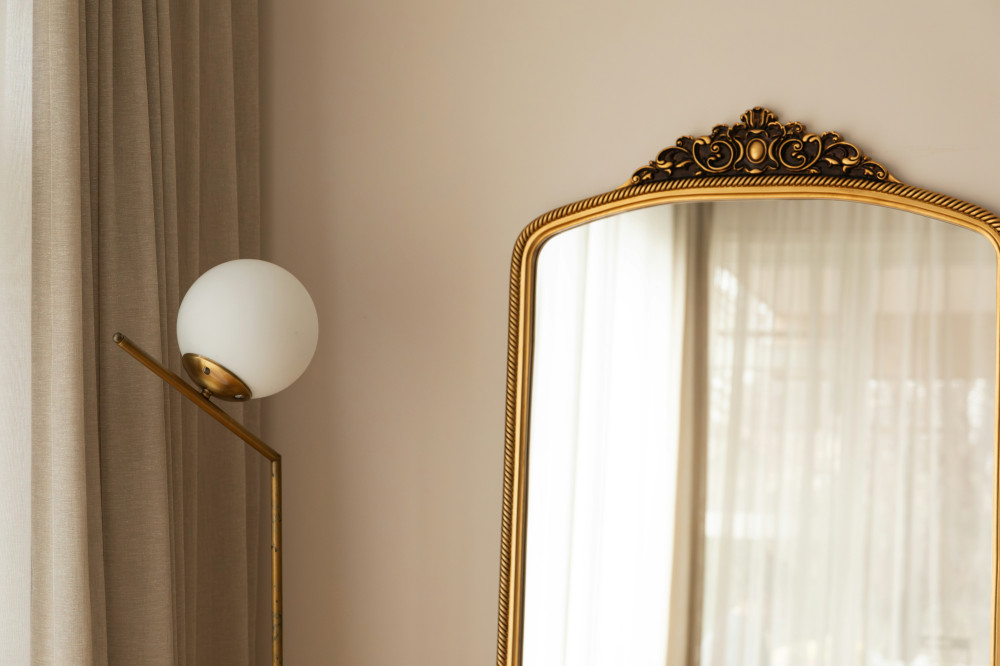
Glare occurs when light hits a reflective surface and bounces directly into your eyes. This often happens with glass tabletops, picture frames, mirrors, stainless steel appliances, or computer screens. The more concentrated and direct the light source, the stronger the glare.
That’s why it’s not just about how much light you have, but how that light interacts with surfaces. By paying attention to placement, direction, and type of lighting, you can significantly reduce unwanted reflections.
Choose the Right Type of Lighting
When planning your lighting, it’s best to combine different types of light for both function and atmosphere.
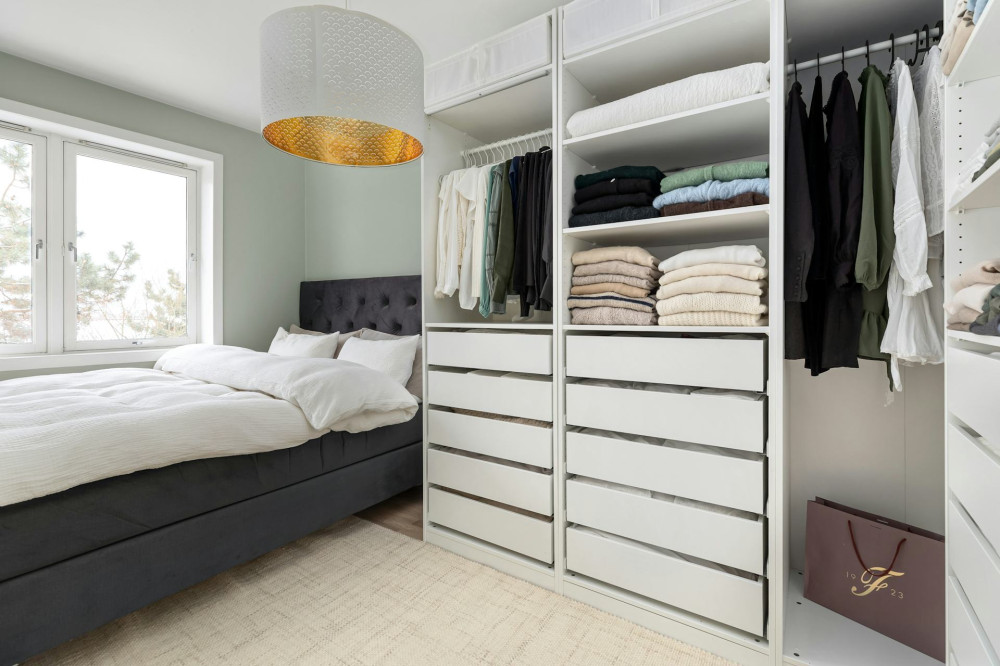
- Diffuse light: Fixtures with frosted glass, fabric shades, or opal diffusers spread light evenly and softly, minimizing harsh reflections.
- Indirect light: Letting light bounce off walls or ceilings creates a comfortable glow without direct glare. LED strips behind furniture or along ceilings work well for this.
- Directed light with care: Spotlights and pendants can add visual interest, but make sure they don’t shine directly onto glossy surfaces. Adjustable heads let you control the direction easily.
A layered lighting setup—combining general, task, and accent lighting—gives you flexibility and helps prevent glare in everyday use.
Placement Makes All the Difference
Even the best lamp can cause glare if it’s placed poorly. Think about how light moves through the room and interacts with surfaces.
- At your desk: Position the lamp so the light falls from the side—ideally from the left if you’re right-handed—to avoid shadows and reflections on your screen.
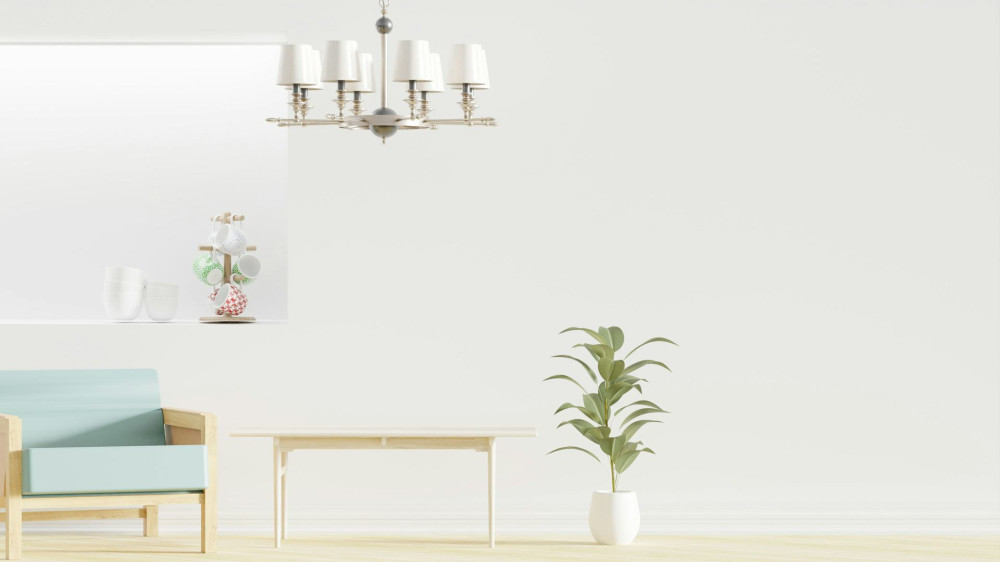
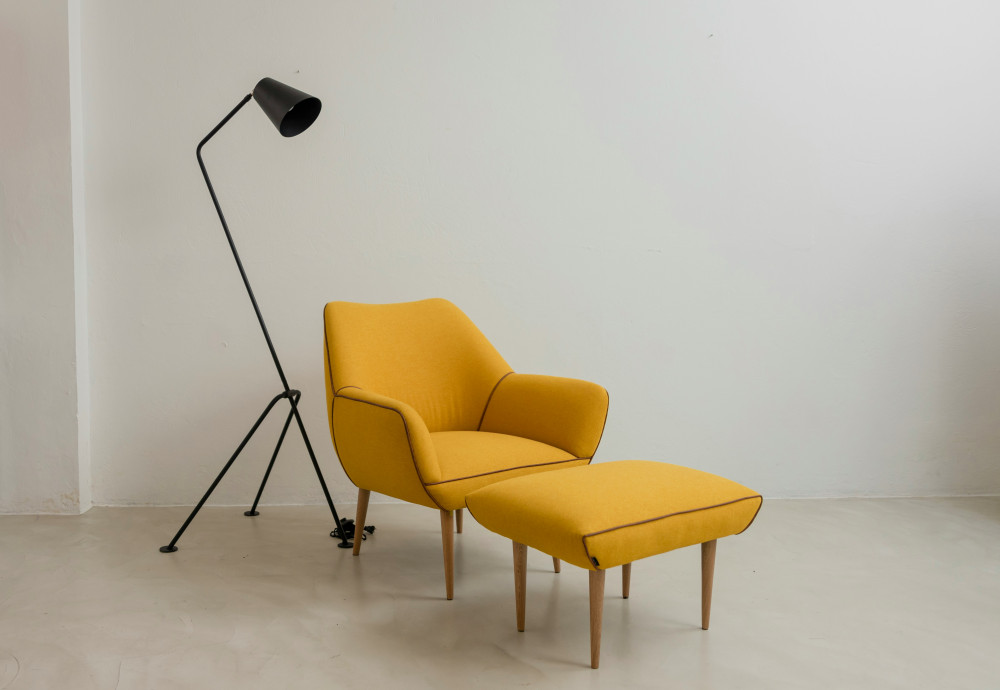
- In the living room: Avoid placing lights directly above glass coffee tables or in front of the TV. Floor lamps with shades or indirect lighting behind the sofa are better options.
- In the kitchen: Under-cabinet lighting should have a frosted cover to prevent glare on countertops, especially if they’re polished or metallic.
Small changes in angle and height can make a big difference. Experiment and observe how the light shifts throughout the day.
Choose Surfaces That Work with Light
Lighting isn’t just about fixtures—materials and finishes matter too. Matte surfaces reflect light softly, while glossy ones bounce it back sharply. Dark colors absorb more light, while lighter tones reflect it.
If glare is a recurring issue, consider:
- Choosing matte countertops instead of high-gloss finishes.
- Using anti-reflective glass in picture frames.
- Painting walls with eggshell or satin finishes instead of high-gloss paint.
These choices can reduce reflections and create a calmer, more balanced look in your space.
Læs også:

Use Natural Light Wisely
Daylight is a wonderful resource, but it can also cause strong glare—especially on screens and metal surfaces. Use blinds, shades, or sheer curtains to control how much sunlight enters the room. Light-filtering fabrics can soften daylight while keeping the space bright.
Also, think about how you position work areas relative to windows. A desk placed directly in front of a south-facing window can be uncomfortable, while one positioned perpendicular to the window often works much better.
Balance Function and Atmosphere
The best lighting setup is both practical and inviting. You should be able to see clearly without straining your eyes, but the space should also feel warm and welcoming. Use dimmable bulbs to adjust brightness as needed, and choose color temperatures that suit the room’s purpose—cool white for work areas and warm white for relaxation.
By combining smart lighting design with thoughtful material choices, you can create a home where light enhances every surface—without the glare.
Læs også: