Lighting for the Kids’ Room – Safe, Playful, and Functional

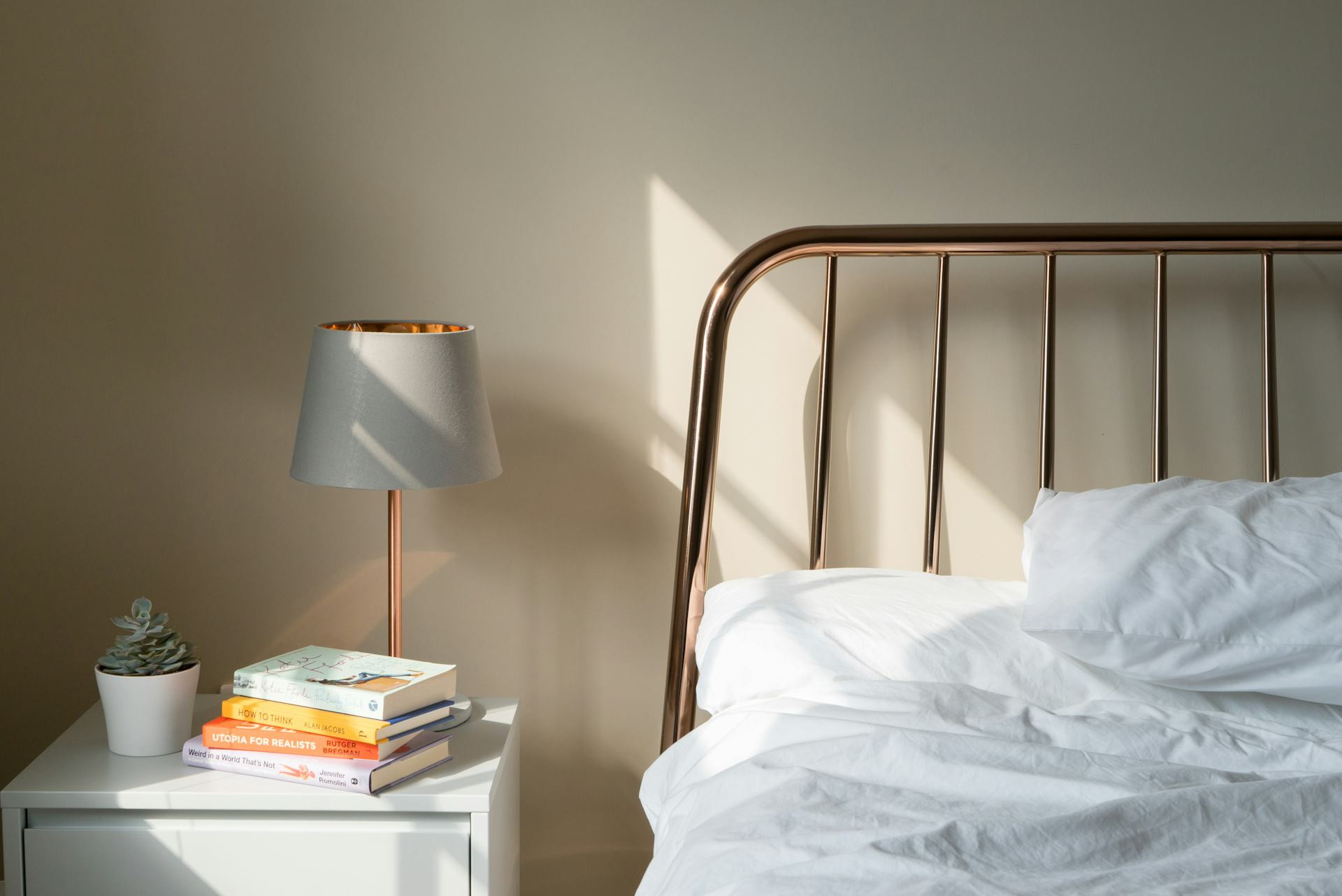
Lighting for the Kids’ Room – Safe, Playful, and Functional
Lighting in a child’s room has to do a lot at once. It should make the space feel safe and cozy, while also supporting play, reading, and rest. The right lighting setup balances function, atmosphere, and safety. Here’s how to create a kids’ room that’s bright, fun, and practical – a space that grows with your child.
Safety First – The Right General Lighting
Start with a soft, even light that fills the room without glare. A ceiling fixture or pendant light works well for this. Choose a bulb with a warm white color temperature (around 2700–3000 Kelvin) to create a calm, welcoming glow.
For younger children, dimmable lighting is a great option. Being able to lower the brightness in the evening helps signal bedtime and creates a soothing atmosphere. A fixture with a built-in dimmer or a smart bulb controlled by an app makes it easy to adjust the light as needed.
Play and Imagination – Light as Part of the Décor
A kids’ room is also a place for creativity and play, and lighting can help set the mood. String lights, colorful lamps, or small projectors that cast patterns on the wall can make the space feel magical and inspiring.
Consider lamps shaped like stars, animals, cars, or clouds – anything that reflects your child’s interests. The key is to keep the light soft and pleasant, not harsh or glaring.
Layering light at different heights adds flexibility: ceiling lights for playtime on the floor, wall lamps for cozy corners, and a small lamp within your child’s reach so they can turn it on and off themselves. This not only makes the room more functional but also encourages independence.
Lighting for Reading and Focus
As children grow, their rooms often double as study or craft spaces. Good task lighting becomes essential for reading, homework, and creative projects.
A desk lamp with an adjustable arm and shade is ideal, allowing the light to be directed exactly where it’s needed. Choose a bulb with neutral white light (around 4000 Kelvin) to provide good contrast and reduce eye strain. Place the lamp on the opposite side of your child’s writing hand to avoid casting shadows.
Læs også:
Nightlights and a Calm Bedtime Atmosphere
Many kids feel more secure with a small nightlight that glows softly in the dark. This could be a dim LED lamp, a gentle wall light, or a motion-sensor light that turns on when your child gets up at night.
Avoid bright blue or white light, which can interfere with sleep. Instead, go for a warm amber or golden tone that signals rest. Some nightlights even have timers that turn them off automatically after a set time – a convenient, energy-saving feature that also helps children fall asleep peacefully.
Safety and Materials
When choosing lighting for a child’s room, safety is the top priority. Avoid lamps with hot bulbs or exposed parts that can burn little fingers. Keep cords out of reach and make sure fixtures are securely mounted. LED lights are an excellent choice – they stay cool, use little energy, and last a long time.
Think about materials too. Lamps made of plastic or wood are often more durable than glass and can better withstand the occasional bump or tumble. Always check that fixtures meet U.S. safety standards (look for UL or ETL certification).
Create Zones with Light
A well-lit kids’ room works best when divided into zones: one for play, one for rest, and one for focus. Combine different types of lighting – ceiling lights, wall sconces, desk lamps, and nightlights – to support each activity throughout the day.
To keep the room cohesive, choose fixtures with similar tones or styles. This way, the lighting feels like a natural part of the décor rather than just a practical necessity.
Lighting That Grows with Your Child
Children’s needs change quickly, and their lighting should adapt too. Choose flexible solutions that can evolve – lamps with adjustable brightness or color settings can transition from toddler to teen.
The goal is to create lighting that supports comfort, creativity, and learning. With thoughtful choices, your child’s room becomes more than just a place to sleep – it becomes a space to explore, imagine, and feel at home.
Læs også: