Craft Room for Kids: Setup for Arts and Sewing

Craft Room for Kids: Setup for Arts and Sewing
A craft room can be a wonderful creative space for kids—a place where they can explore materials, experiment with ideas, and learn new skills. When the room is designed for arts and sewing, children get the chance to develop fine motor skills, patience, and imagination. Here’s how to create a kid-friendly craft room that encourages creativity, learning, and fun.
Create an Inspiring Space
The atmosphere sets the tone for creativity. Choose light, cheerful wall colors and add pops of color through artwork, fabric samples, or photos of finished projects. A corkboard or magnetic board can display their creations and make the space feel personal.
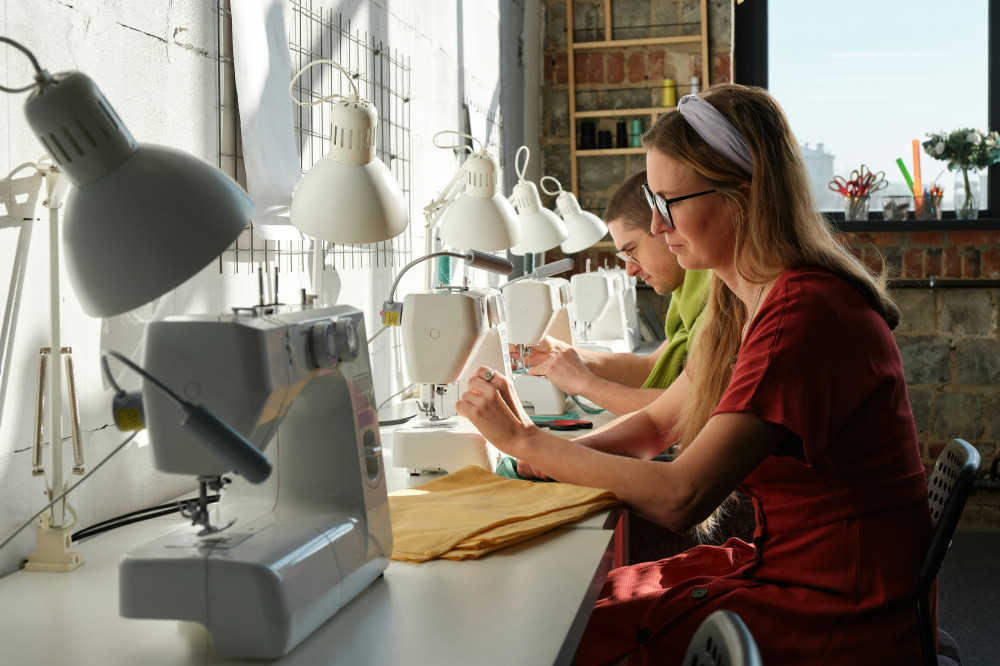
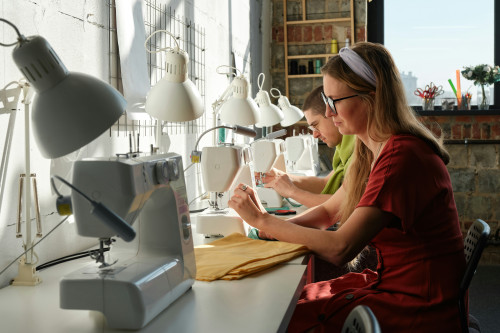
Natural light is best, but make sure there’s also good task lighting. A bright, adjustable LED lamp helps kids see details clearly when cutting, stitching, or drawing patterns.
Design Functional Zones
A well-organized craft room works best when divided into zones for different activities. This helps kids stay organized and find what they need easily.
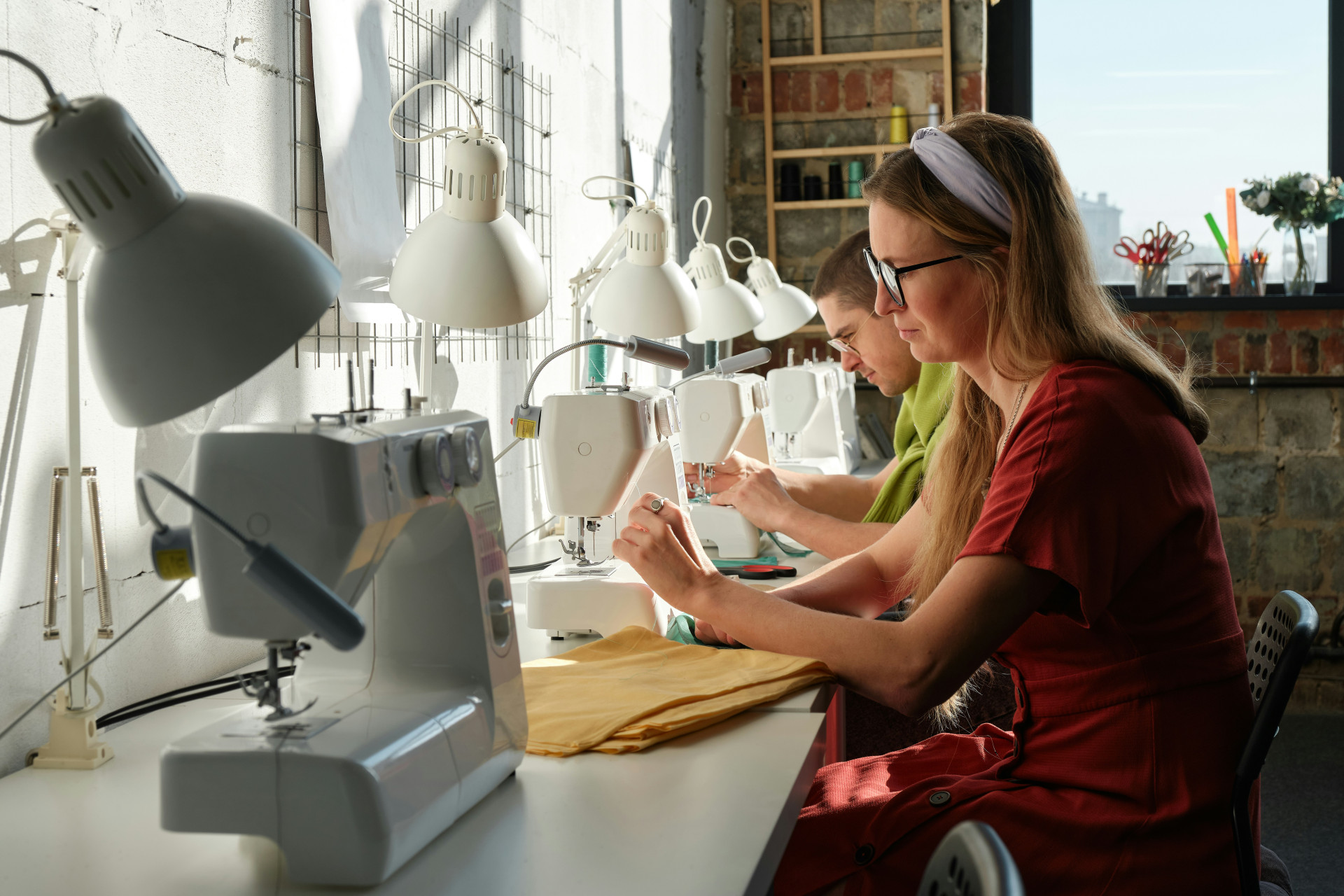
- Sewing area – A sturdy table with space for a sewing machine, fabric, and tools. Choose a chair that can be adjusted to your child’s height for comfort and safety.
- Cutting and drawing area – A clear surface for working with patterns, paper, and fabric. Use a cutting mat to protect the tabletop.
- Storage area – Shelves, bins, and drawers for thread, buttons, fabric scraps, and tools. Transparent containers make it easy to see what’s inside.
- Display area – A small shelf or bulletin board where finished projects can be showcased. It builds pride and motivation to keep creating.
By dividing the room into zones, kids can work more independently and keep their projects organized.
Choose Materials That Spark Curiosity
When introducing kids to sewing and crafts, pick materials suited to their age and skill level. Start with soft, easy-to-handle fabrics like cotton or felt. Use large, blunt-tipped needles and thick thread that’s easy to control.
Create themed boxes—like a “button box,” “fabric scraps box,” or “ribbon box.” Sorting and labeling these together can be a fun activity that teaches organization and gives kids a sense of ownership.
Make Safety Part of the Fun
Even though sewing and crafting are calm activities, safety still matters. Teach kids how to handle scissors, needles, and sewing machines properly. Keep sharp or heavy tools stored safely when not in use.
You can also set up a small “safety kit” with bandages, measuring tape, and kid-safe tools they can use on their own. It helps them feel responsible and confident while working independently.
Allow Room for Mess and Focus
A craft room doesn’t have to be spotless. Creativity thrives in spaces where kids can experiment freely. Choose washable rugs and easy-to-clean surfaces so a little mess isn’t a problem.
Establish simple cleanup routines, but make them part of the creative process. Turn on some music and tidy up together after finishing a project. It teaches kids that organization and creativity can go hand in hand.
Give Kids Ownership of the Space
When children help design their craft room, they feel more connected to it. Let them pick colors, decorate the walls, or make labels for storage bins. This personal touch makes the space more inviting and encourages them to use it often.
You can also help them start a “project journal” where they sketch ideas, jot down notes, and save fabric swatches. It becomes a creative diary they can revisit for inspiration.
A Room That Grows with Your Child
A well-planned craft room can evolve as your child grows. As their skills and interests change, update materials and tools to match. Over time, the space might shift from simple crafts to design projects, clothing repairs, or school art assignments.
By keeping the room flexible, you give your child a space that supports their growth—both creatively and practically.
Læs også:

Creativity as a Life Skill
Sewing, cutting, and crafting aren’t just about making pretty things. They teach patience, problem-solving, and independence. A craft room for kids is more than a play area—it’s a learning space where imagination and hands-on skills come together.
By creating a room that inspires arts and sewing, you’re giving your child a place to explore, focus, and discover the joy of making something with their own hands.
Læs også: