Safe and Convenient Storage of Tools for Model Building

Safe and Convenient Storage of Tools for Model Building
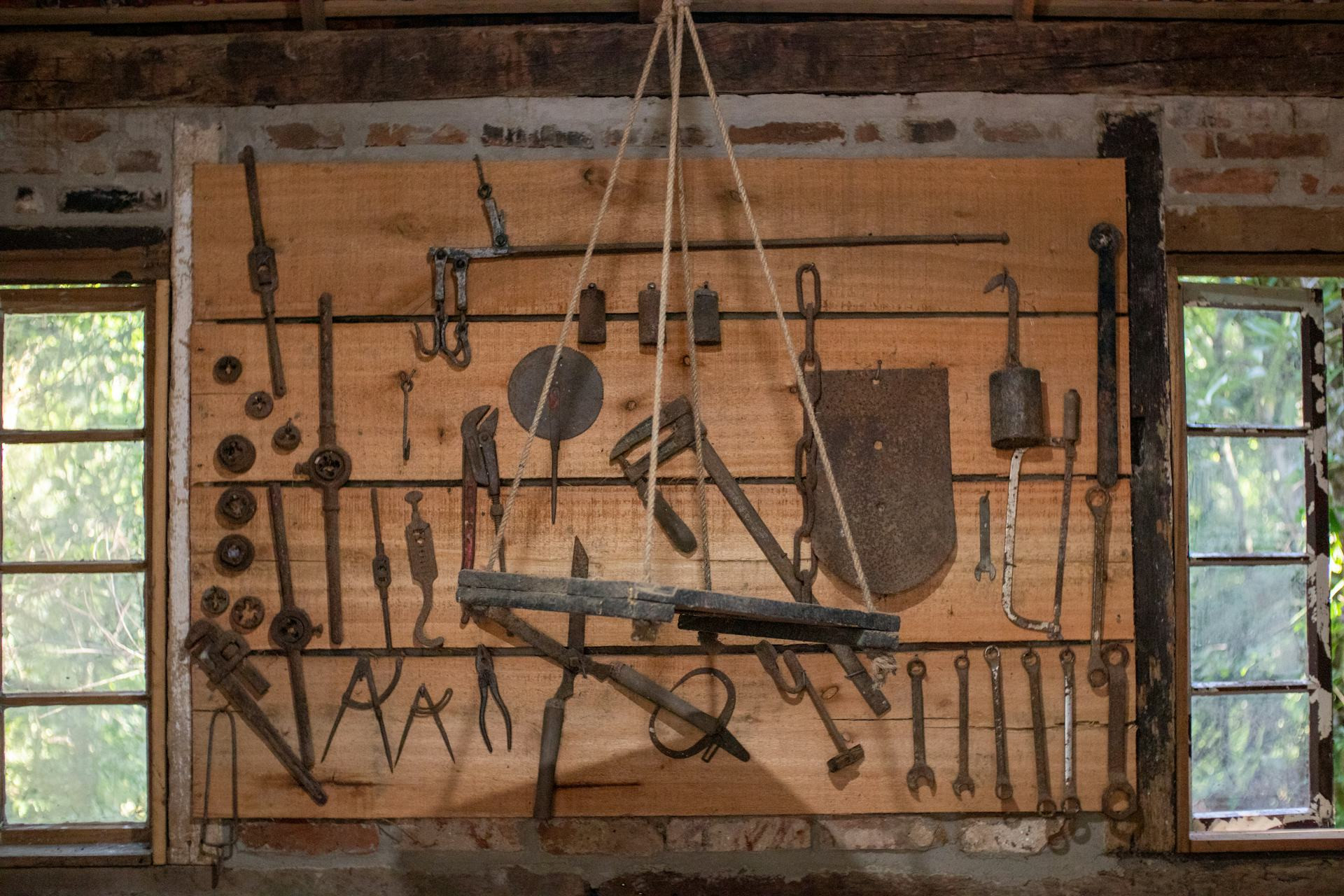
Model building is a hobby that combines creativity, precision, and patience. But even the most skilled builder can struggle if tools are disorganized or poorly stored. Proper storage not only keeps your workspace tidy but also extends the life of your tools and helps prevent accidents. Here are some practical ideas for creating a safe and convenient tool storage system for your model-building projects.
Create Order with Zones and Systems
A well-organized workspace starts with structure. Divide your work area into zones based on function—such as a work zone, a storage zone, and a cleaning zone. This makes it easier to find what you need and reduces clutter that can lead to mistakes or injuries.
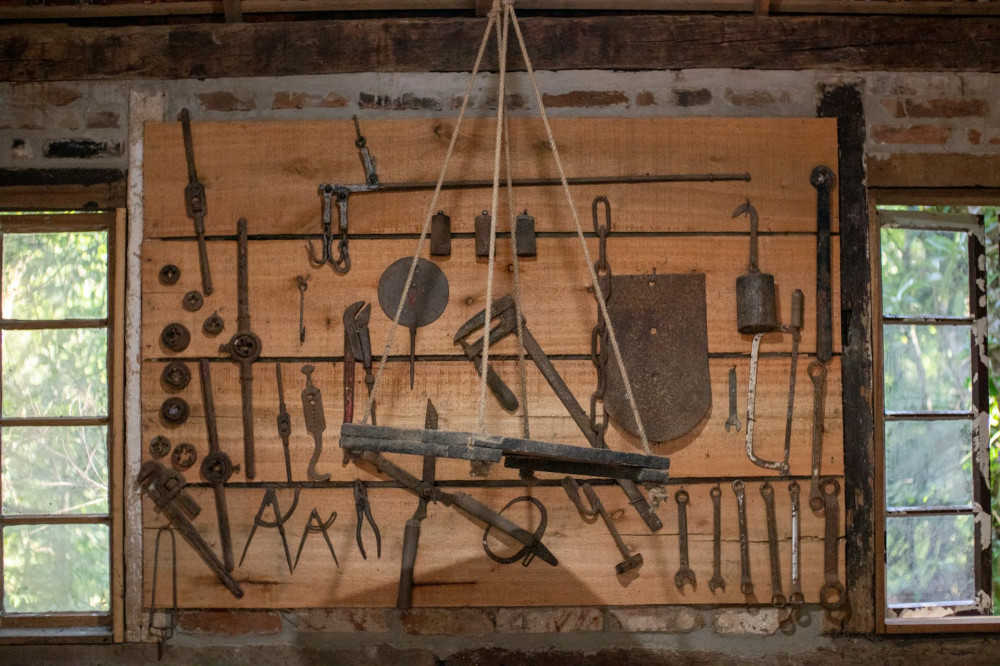
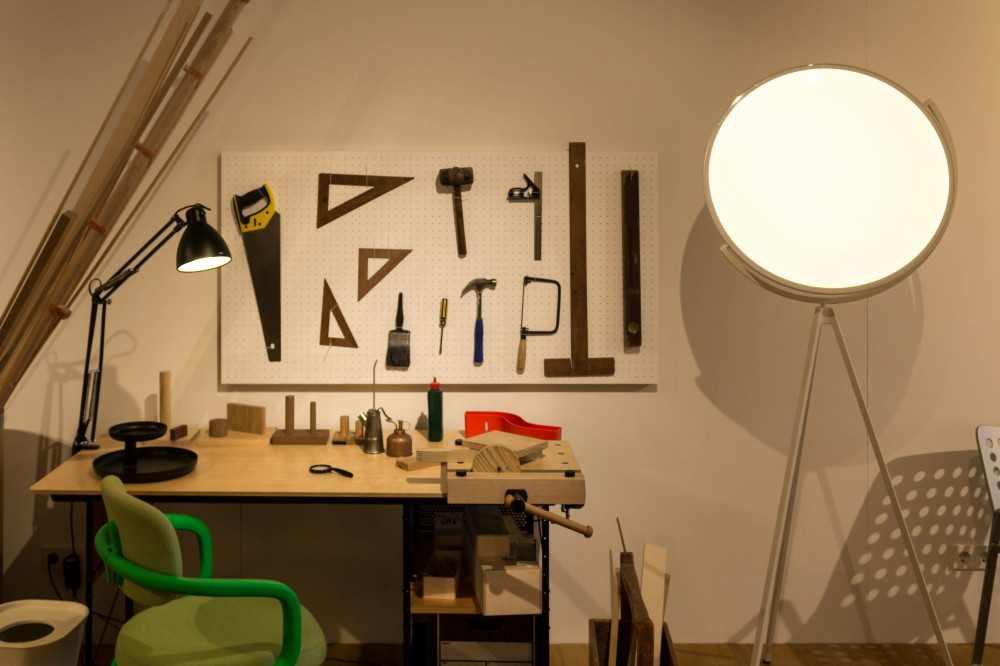
Use small containers, drawers, or pegboards to keep track of the many small tools and parts that model building involves: drills, brushes, knives, tweezers, and glue. A simple labeling system—using tags, color codes, or printed labels—can make a big difference, especially if you have a large collection of tools.
Protect Sharp Tools
Knives, scalpels, and drill bits are essential for model building, but they require careful storage. Always keep sharp tools in protective cases or holders to avoid cuts when reaching for them. Magnetic tool strips can be handy, but make sure the magnets are strong enough to hold lightweight tools securely.
Another good option is a tool roll or a drawer with foam inserts, where each tool has its own designated spot. This setup protects both the cutting edges and your hands—and makes it easy to see if something is missing.
Keep Track of Small Parts
Every model builder knows the frustration of losing tiny screws, gears, or plastic pieces. Small parts organizers or drawer systems can be a lifesaver. Choose transparent containers so you can quickly identify what’s inside, and avoid oversized boxes where parts can mix together.
A helpful trick is to use a “work tray”—a small tray with raised edges—to hold the parts you’re currently working with. It prevents small components from rolling away and makes cleanup much easier.
Prioritize Safety
Even though model building happens on a small scale, the tools and materials can still be hazardous. Make sure children and pets cannot access your workspace when you’re not around. Store glues, solvents, and paints in sealed containers, ideally in a ventilated cabinet.
If you use electric tools like a mini drill or soldering iron, ensure they’re placed on stable surfaces and that cords don’t create tripping hazards. A fire-resistant storage box for spray paints and solvents is a smart investment, especially if you work in a basement or enclosed room.
Make Cleaning Part of the Routine
A clean workspace is safer, more efficient, and more inspiring. At the end of each session, take a few minutes to wipe down your table, return tools to their places, and empty the trash. It’s a small effort that pays off the next time you sit down to build.
Consider keeping a small vacuum or soft brush nearby to remove dust and plastic shavings from your tools and models. Regular cleaning helps maintain tool performance and keeps your projects looking sharp.
Læs også:


Build a System That Works for You
There’s no one-size-fits-all solution for tool storage—it depends on how you like to work. Some builders prefer everything visible on the wall, while others like closed drawers and boxes. The key is to create a system that feels natural to you, so you can focus on what matters most: the joy of building.
Once you find a setup that fits your workflow, you’ll notice how much smoother your projects go. An organized workspace isn’t just neat—it’s an essential part of the craft.
Læs også: