Create Contrast with Art: Bring Life to a Neutral Space

Create Contrast with Art: Bring Life to a Neutral Space
A home decorated in neutral tones can feel calm and timeless—but it can also risk feeling flat if nothing draws the eye. Art is the perfect way to introduce contrast, personality, and energy. Whether you live in a sleek city apartment or a cozy suburban house, the right artwork can transform a quiet space into one that feels vibrant and alive.
Why Contrast Matters
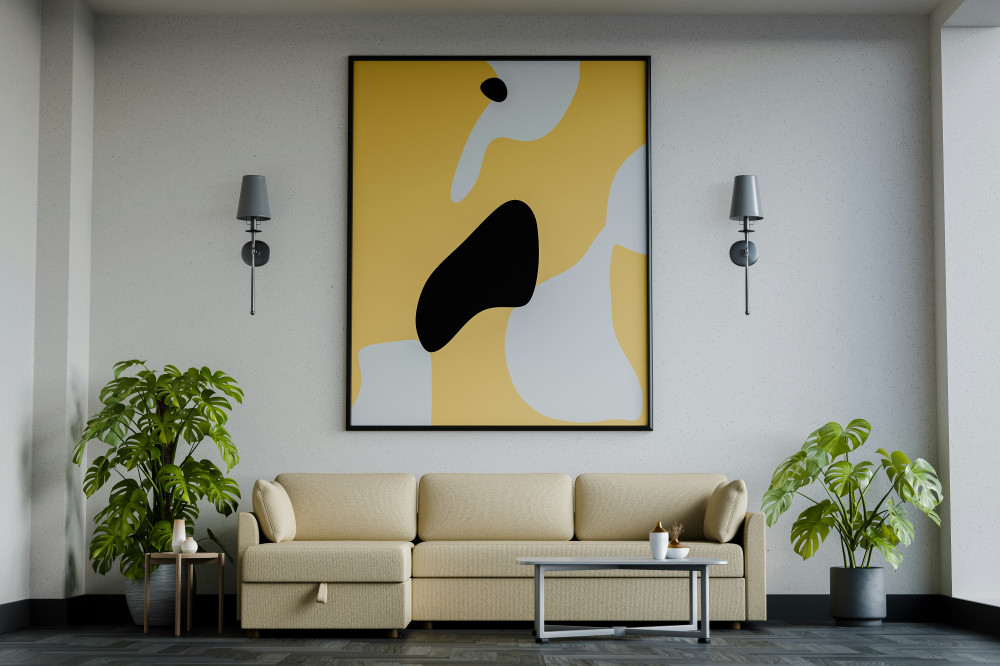
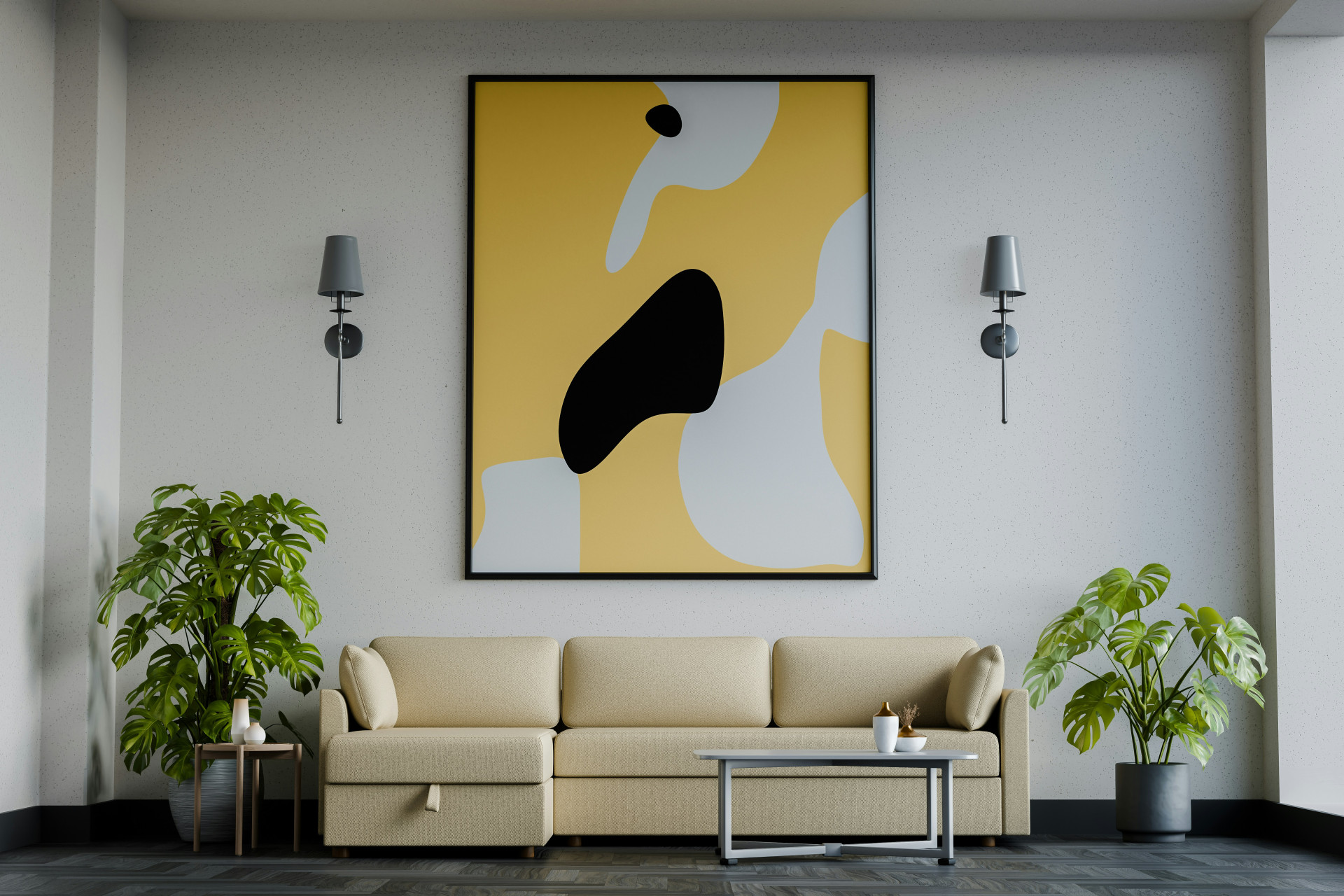
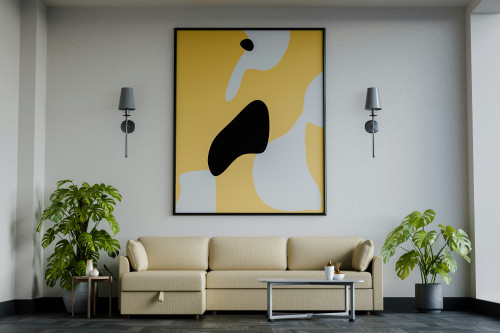
Contrast isn’t just about color—it’s about emotion and expression. When you place a bold piece of art in a soft, neutral room, you create visual tension that makes the space more dynamic. A neutral backdrop acts like a blank canvas, allowing the artwork’s colors, shapes, and textures to stand out.
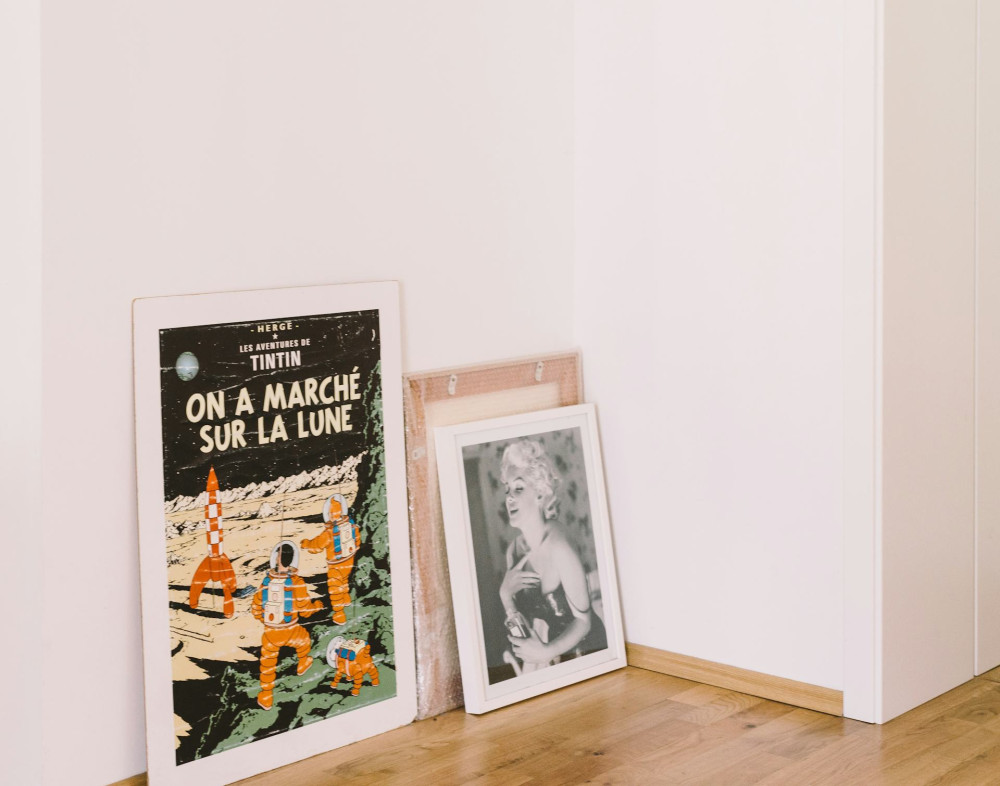
A large painting with vivid hues can energize a calm living room, while a black-and-white photograph can bring serenity to a colorful space. The key is balance—and the willingness to let art be the element that breaks the predictability.
Choose Art That Speaks to You
The most important rule when choosing art is that it should move you. It might spark joy, curiosity, or reflection. Art doesn’t have to match your furniture—it should create a feeling.
Think about what you want your space to express:
- Energy and movement: Choose pieces with bold colors, expressive brushstrokes, or graphic patterns.
- Calm and harmony: Look for muted tones, nature-inspired themes, or minimalist compositions.
- Warmth and personality: Mix styles—pair a modern print with a vintage painting or a family heirloom.
By blending old and new, abstract and figurative, you create a home that feels layered and personal.
Placement: Let the Art Breathe
Even the most stunning piece can lose its impact if it’s poorly placed. Consider how light hits the wall and where your eye naturally travels when you enter the room.
- Hang large works at eye level, leaving space around them so they can stand out.
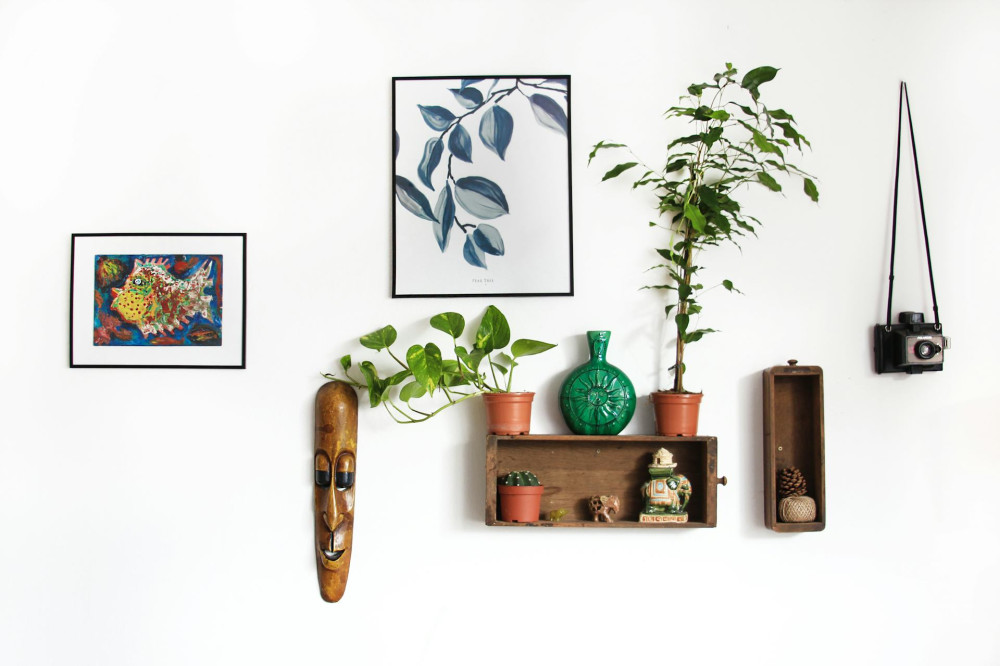
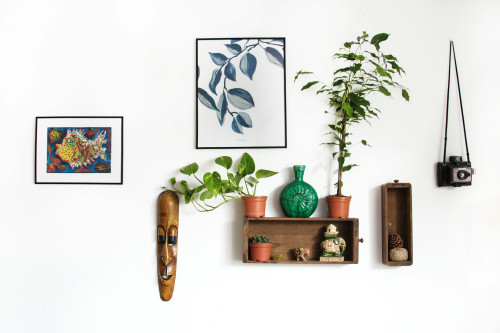
- Create gallery walls with smaller pieces in varied frames for a playful, collected look.
- Use picture ledges or shelves to rotate artwork easily as your mood or the season changes.
A good approach is to let one piece serve as the focal point of the room, with other elements supporting it.
Color, Texture, and Light
The effect of art depends on its surroundings. In a white or beige room, colorful art can add warmth and life, while light pieces pop beautifully against darker walls.
Consider texture as well: an oil painting with visible brushwork feels different from a smooth photographic print. Sculptures, ceramics, or textile art can add depth and tactile interest, breaking up flat surfaces.
Lighting is crucial. A subtle spotlight or adjustable lamp can highlight a piece and create atmosphere—especially in the evening.
Create Flow Throughout Your Home
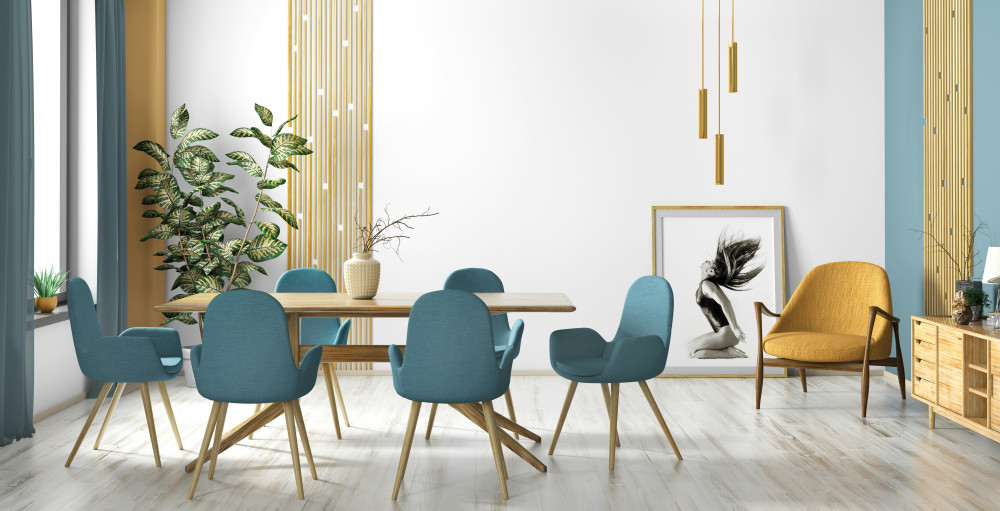
While contrast is key, cohesion matters too. Repeat colors or shapes from your artwork in pillows, rugs, or accessories to tie the space together. This makes the art feel integrated rather than simply decorative.
You can also carry themes from room to room—nature, geometry, portraits, or abstract forms—to create a sense of continuity while allowing each space its own character.
Læs også:
Art as a Conversation Starter
A well-chosen piece of art does more than decorate—it invites conversation. Guests notice it, ask about it, and suddenly the artwork becomes part of your home’s story. It reflects who you are and what inspires you.
Creating contrast with art is ultimately about more than design—it’s about identity. It’s a way to give a neutral space soul and make everyday life a little more inspiring.
Læs også: