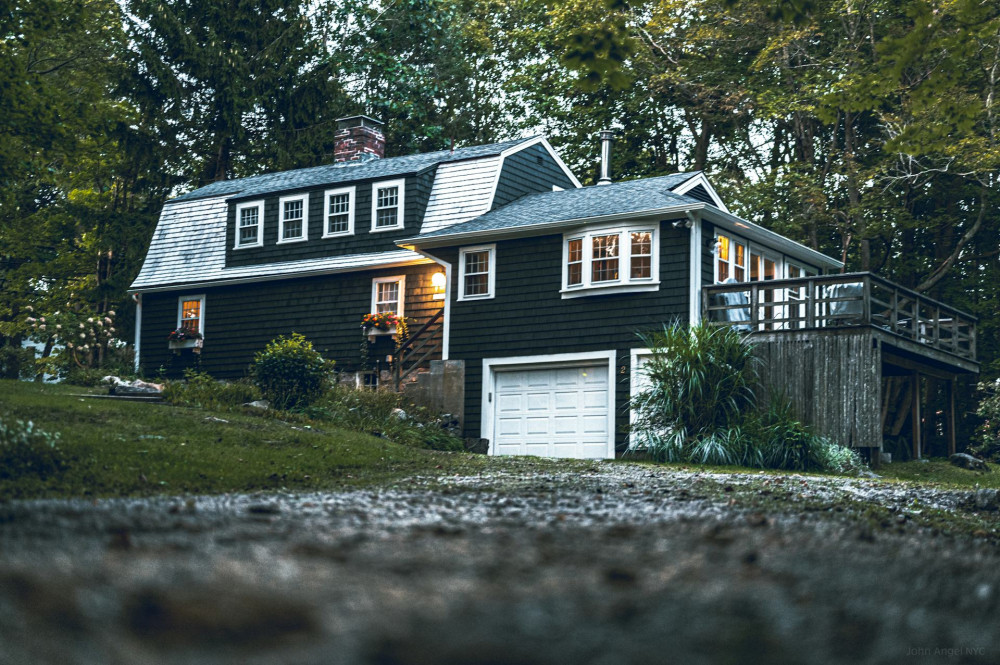
Durable Garage Walls: The Best Materials That Stand the Test of Time

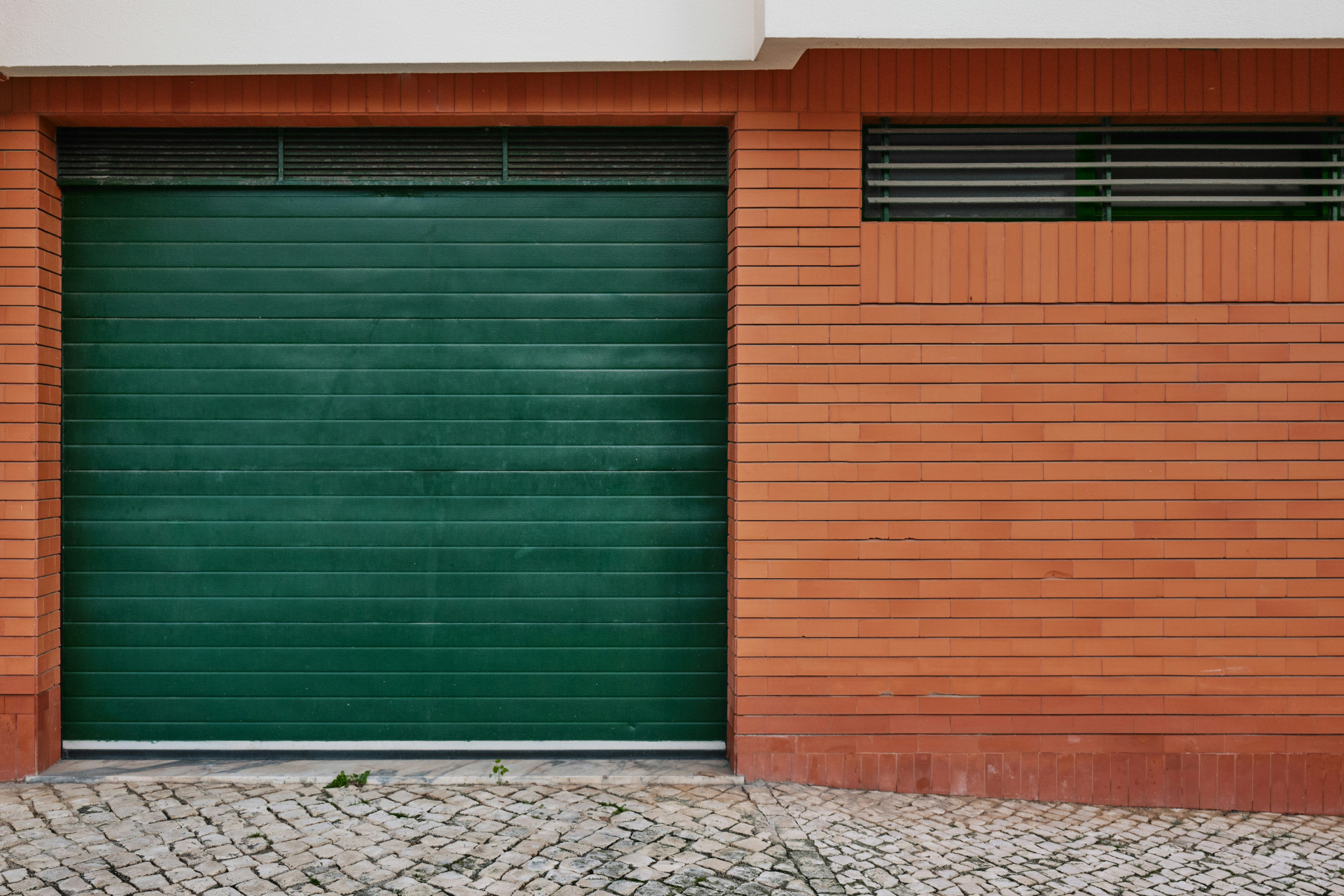
Durable Garage Walls: The Best Materials That Stand the Test of Time
A garage is more than just a place to park your car. It often doubles as a workshop, storage area, or even a home gym. That’s why the walls need to be tough enough to handle moisture, temperature swings, and the occasional bump from tools or equipment—all while requiring minimal upkeep. Here’s a look at the most durable materials for garage walls, so you can choose the best option for your needs and budget.
Concrete – The Classic, Heavy-Duty Choice
Concrete is one of the most durable and low-maintenance materials you can use for garage walls. It’s fire-resistant, pest-proof, and stands up well to moisture and impact. Once installed, concrete walls can last for decades with little to no maintenance.
The downside is that concrete can feel cold and industrial. If you want a more finished look, you can paint it or cover it with panels or drywall. Insulating the interior side can also help regulate temperature if you spend a lot of time in the garage.
Pros:
- Extremely long lifespan
- Resistant to moisture, fire, and pests
- Minimal maintenance required
Cons:
- Can be expensive to install
- Difficult to modify once built
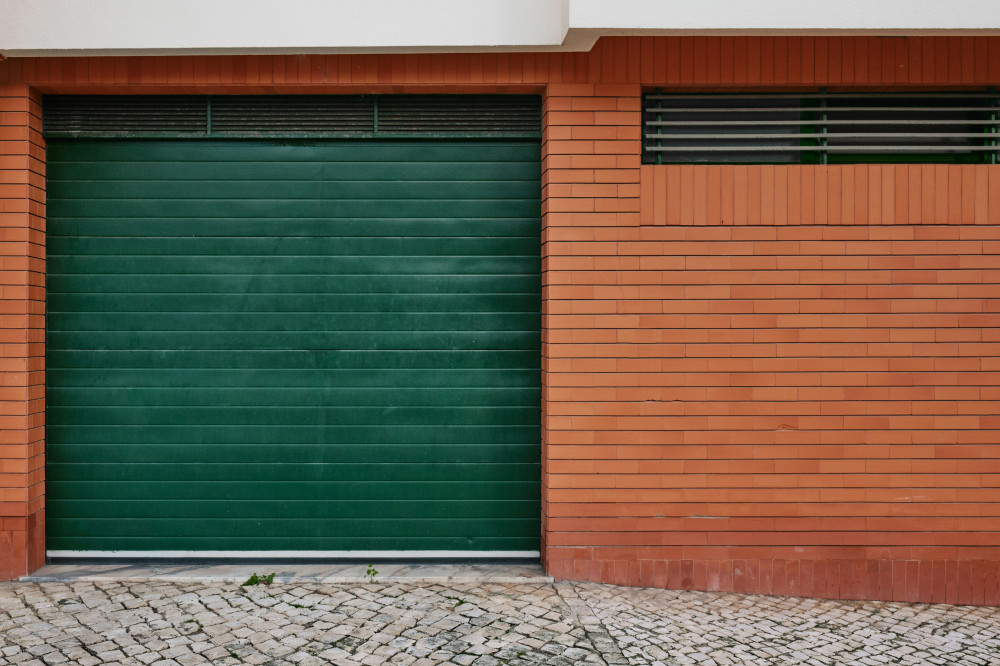
Brick – Timeless and Solid
Brick gives your garage a classic, attractive appearance that complements many home styles. It’s strong, weather-resistant, and provides good insulation and soundproofing. Brick walls hold their shape and strength for decades, and small repairs are relatively easy to make.
However, brick requires occasional maintenance, especially in areas with heavy rain or freeze-thaw cycles. Keeping the mortar joints in good condition and ensuring proper drainage will help prevent moisture damage.
Pros:
- Timeless, attractive look
- Good insulation and sound reduction
- Easy to repair locally
Cons:
- Mortar joints need periodic maintenance
- Higher cost than lightweight materials
Steel Panels – Modern and Low-Maintenance
Steel panels are a popular choice for detached or modern-style garages. They’re quick to install, come in a variety of colors and finishes, and require almost no maintenance. Steel is also resistant to rot, insects, and fire.
The main drawback is that steel can develop condensation if the garage isn’t properly insulated. To prevent this, use a vapor barrier and insulation—especially if you plan to heat or cool the space.
Pros:
- Fast installation
- Virtually maintenance-free
- Sleek, modern appearance
Cons:
- Can cause condensation issues
- Poor insulation without added layers
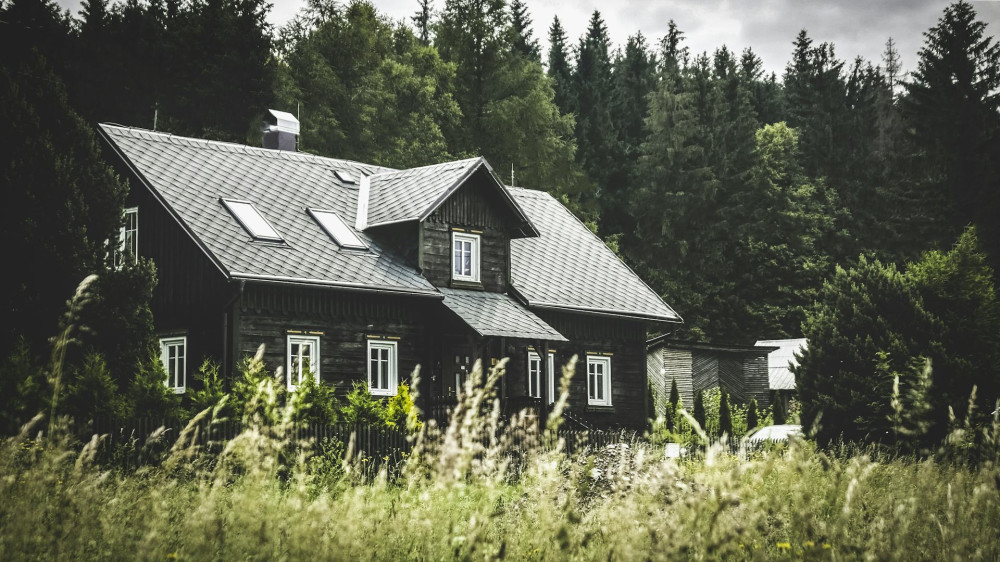
Wood – Warm and Customizable
Wood offers a warm, natural look and is easy to work with. It’s a great choice if you want your garage to match a wood-sided home or blend into a landscaped yard. Wood can be painted, stained, or sealed, allowing you to refresh its appearance over time.
The trade-off is that wood requires regular maintenance to protect it from moisture, rot, and insects. Pressure-treated lumber or naturally durable species like cedar or redwood can significantly extend its lifespan.
Pros:
- Attractive, natural appearance
- Easy to customize and repair
- Renewable and eco-friendly when sourced responsibly
Cons:
- Requires ongoing maintenance
- Vulnerable to moisture and pests
Drywall and Cement Board – Ideal for Interior Finishes
For interior garage walls, drywall or cement board are practical and affordable options. Drywall provides a smooth, paintable surface that gives your garage a clean, finished look. Cement board, on the other hand, is more moisture-resistant and better suited for humid or unheated garages.
If you use your garage as a workshop, consider impact-resistant panels that can handle tool storage and heavy use. These materials can be installed over wood or metal framing and finished to match your desired style.
Pros:
- Easy to install and paint
- Moisture-resistant options available
- Creates a clean, finished appearance
Cons:
- Not suitable as a structural wall
- May need extra protection from impacts
Choosing the Right Material
The best material for your garage walls depends on how you use the space and your local climate. For simple storage, steel or concrete may be ideal. If you plan to spend time working inside, insulation and comfort become more important—making brick or wood better options.
In humid or coastal areas, moisture-resistant materials like concrete or cement board are smart choices. In colder regions, insulation and vapor barriers are key to preventing condensation and heat loss. No matter what you choose, proper ventilation and moisture control will help your garage walls last for decades.
Læs også:



Durability Starts with the Right Choice
A long-lasting garage begins with the right materials. By selecting walls that fit your climate, function, and style, you’ll create a space that not only protects your vehicles and tools but also stands strong and looks great for years to come.
Læs også: