Eco-Friendly Materials in Plumbing Installations

Eco-Friendly Materials in Plumbing Installations
When we talk about sustainable building, it’s not just about energy efficiency and insulation. The materials used in plumbing systems also play a crucial role. Pipes, faucets, fittings, and drainage systems come in many forms, and the materials you choose can significantly affect both the environment and the longevity of your installation. In this article, we’ll explore how to make environmentally responsible choices when selecting materials for bathrooms, kitchens, and other wet areas.
Why Material Choice Matters
Plumbing systems are the lifelines of a home—they bring in clean water and remove wastewater. But producing metals, plastics, and ceramics requires energy and resources, and some materials can release unwanted substances into the water or the environment. Choosing materials that are durable, recyclable, and free from harmful chemicals helps reduce environmental impact over time.
Sustainability isn’t just about what a product is made of—it’s also about how it’s produced, transported, and disposed of. The longer a product lasts and the more easily it can be recycled, the smaller its overall footprint.
Sustainable Metals – Copper, Stainless Steel, and Brass
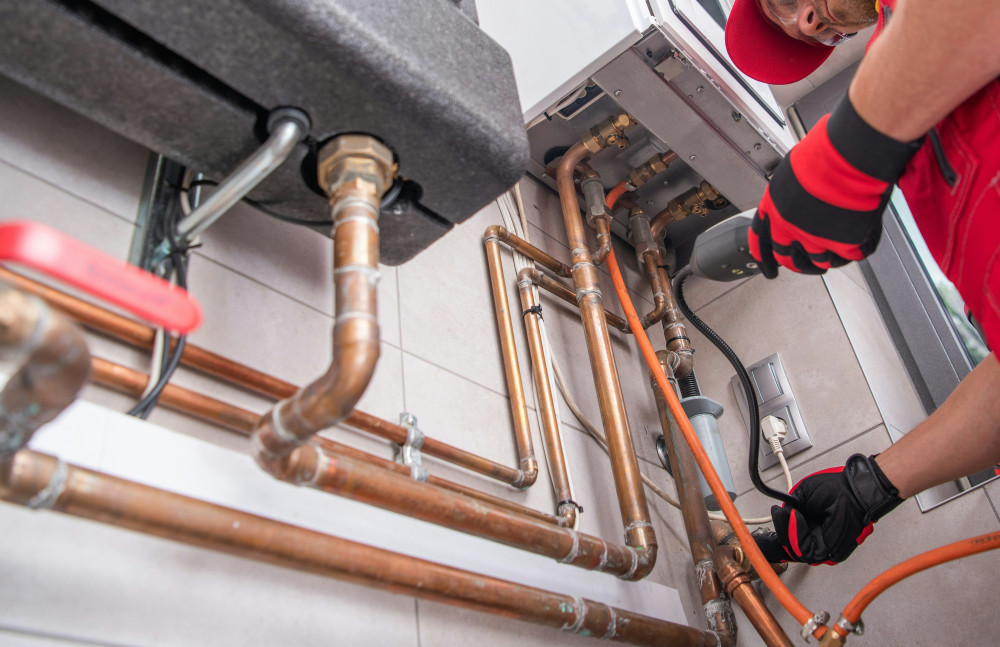
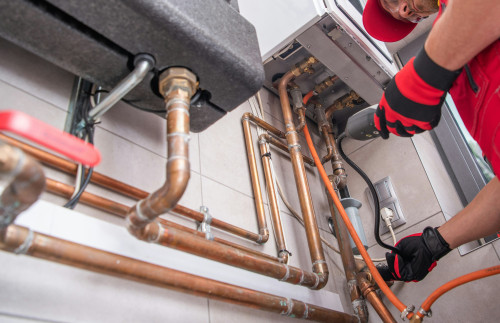
Metals like copper and stainless steel are traditional choices in plumbing and have the advantage of being almost infinitely recyclable without losing quality. This makes them a sustainable option when sourced responsibly.
- Copper is durable and naturally antimicrobial, but mining it can be energy-intensive. Look for products made with a high percentage of recycled copper.
- Stainless steel offers a long lifespan and requires minimal maintenance. It’s an excellent choice for both pipes and fixtures, especially in modern installations.
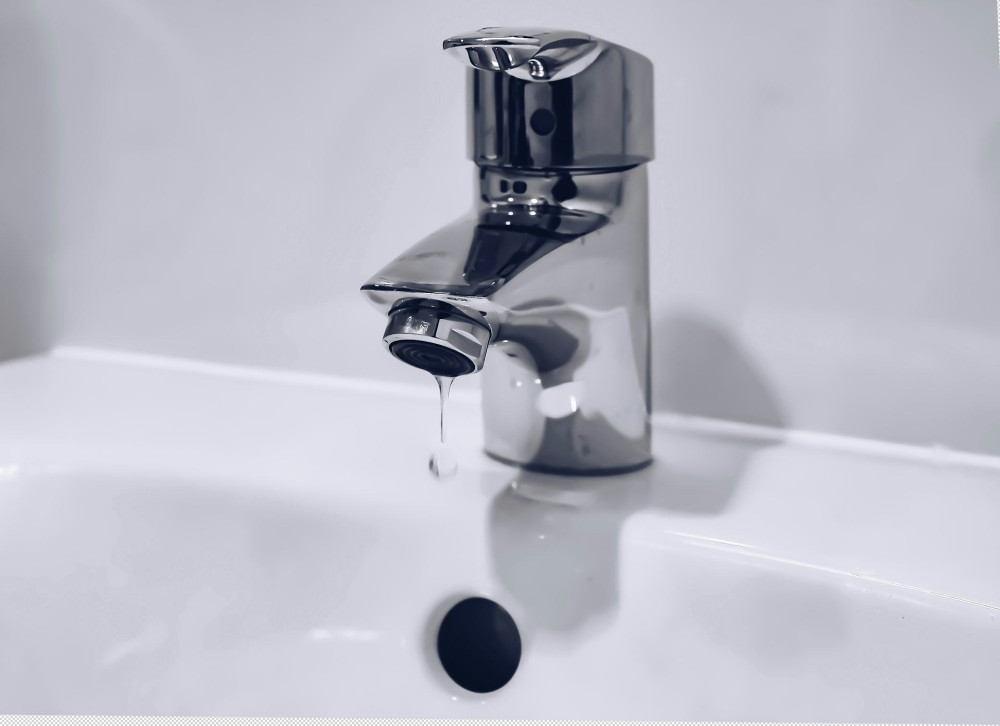
- Brass is commonly used in fittings and faucets. Choose lead-free or low-lead brass to prevent heavy metal leaching into drinking water.
In the U.S., look for certifications such as NSF/ANSI 61 for drinking water safety and LEED credits for sustainable building materials.
Læs også:

Plastics and Composites – Lightweight and Responsible Options
Plastic materials like PEX, PP, and PE are widely used in modern plumbing because they’re lightweight, flexible, and corrosion-resistant. The challenge is that most plastics are derived from fossil fuels and can be difficult to recycle.
More eco-friendly alternatives are emerging:
- Bio-based plastics, made from renewable resources like corn or sugarcane.
- Recycled plastics, which keep materials in a closed-loop system.
- Composite materials, combining plastics with natural fibers or minerals to reduce environmental impact.
When choosing plastic-based products, look for documentation showing low levels of harmful additives and the potential for recycling at the end of their life cycle.
Ceramics and Porcelain – Long-Lasting Classics
Toilets, sinks, and other fixtures made from ceramic or porcelain are valued for their durability and ease of cleaning. Although production requires high heat and energy, their long lifespan can offset the environmental cost. Choose products from manufacturers that use energy-efficient kilns and recycle waste materials in production.
Some newer options include fixtures made from recycled ceramics or lightweight composite materials with a lower carbon footprint.
Think in Systems, Not Just Components
Eco-friendly plumbing isn’t only about individual materials—it’s about the efficiency of the entire system. Water-saving faucets, low-flow toilets, and properly sized pipes can significantly reduce both water and energy consumption.
Good planning and maintenance also extend the life of your plumbing system. Repairing and maintaining components is often more sustainable than replacing them entirely.
Certifications and Standards to Look For
When selecting environmentally friendly materials, look for recognized certifications and standards:
- LEED (Leadership in Energy and Environmental Design) – credits for sustainable building materials and water efficiency.
- NSF/ANSI 61 – ensures materials are safe for drinking water contact.
- Cradle to Cradle Certified® – evaluates products for recyclability and material health.
- EPD (Environmental Product Declaration) – provides transparency about a product’s environmental impact.
These certifications make it easier to compare products and choose those with verified sustainability credentials.
The Future of Plumbing Installations
The plumbing industry is moving toward circular solutions, where materials can be disassembled and reused. Manufacturers are experimenting with new alloys, bio-based plastics, and modular systems that make it easier to replace parts instead of entire installations.
As a homeowner, builder, or designer, you can contribute by choosing products with long lifespans, low resource use, and documented environmental performance. It’s not only good for the planet—it also leads to a healthier, more resilient home for years to come.
Læs også: