Safety First: Important Considerations for Home Plumbing Work

Safety First: Important Considerations for Home Plumbing Work
Many homeowners enjoy tackling do-it-yourself projects, but when it comes to plumbing, there are specific safety issues and legal limits to keep in mind. Water, heat, and gas systems are essential parts of your home, and mistakes can lead to serious property damage or personal injury. Knowing what you can safely handle yourself—and when to call a professional—can save you time, money, and trouble.
Know the Law – and Your Own Limits
In the United States, plumbing codes vary by state and even by city. Some areas allow homeowners to perform minor plumbing work on their own property, while others require a licensed plumber for nearly all installations and repairs. Before starting any project, check your local building department’s website or call to confirm what’s permitted.
Even if the law allows you to do the work, it’s important to be realistic about your skills. Replacing a faucet or installing a new showerhead is usually safe for a confident DIYer. But anything involving main water lines, gas piping, or sewer connections should be left to a licensed professional. Doing unpermitted work can void your homeowner’s insurance and lead to costly fines if something goes wrong.
Water and Electricity – A Dangerous Mix
One of the biggest hazards in home plumbing is the potential for water to come into contact with electricity. Bathrooms, kitchens, and laundry rooms often have electrical outlets and wiring close to plumbing fixtures. A small leak or splash can cause a short circuit or even electrocution.
Always turn off power at the breaker box before working near outlets or light fixtures. Avoid drilling or cutting into walls without knowing where electrical cables are located. If you’re unsure, use a stud finder with a live-wire detector or consult an electrician before proceeding.
Prevent Water Damage with Proper Installation
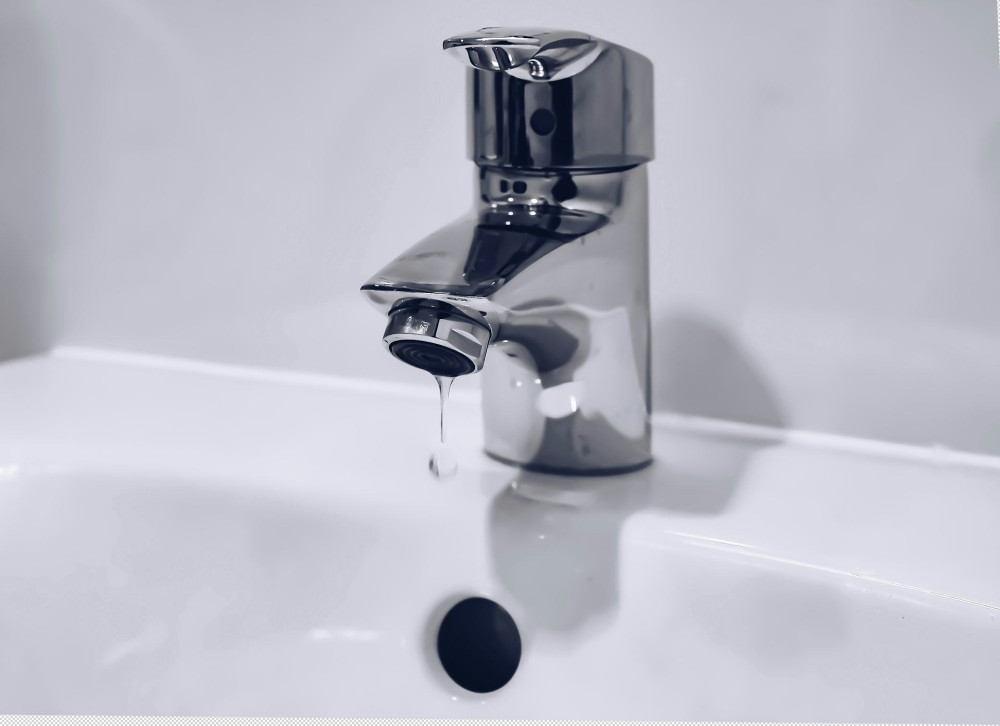
Even a slow drip can cause major damage over time. When installing or repairing plumbing fixtures, use the correct fittings, washers, and sealants. Tighten connections firmly but not excessively—overtightening can crack fittings or strip threads.
After completing your work, monitor the area for a few days. Place a dry paper towel or cloth under joints to detect leaks early. If you notice moisture, shut off the water supply and fix the issue immediately. Quick action can prevent mold growth and structural damage.
Be Cautious with Hot Water and Pressure
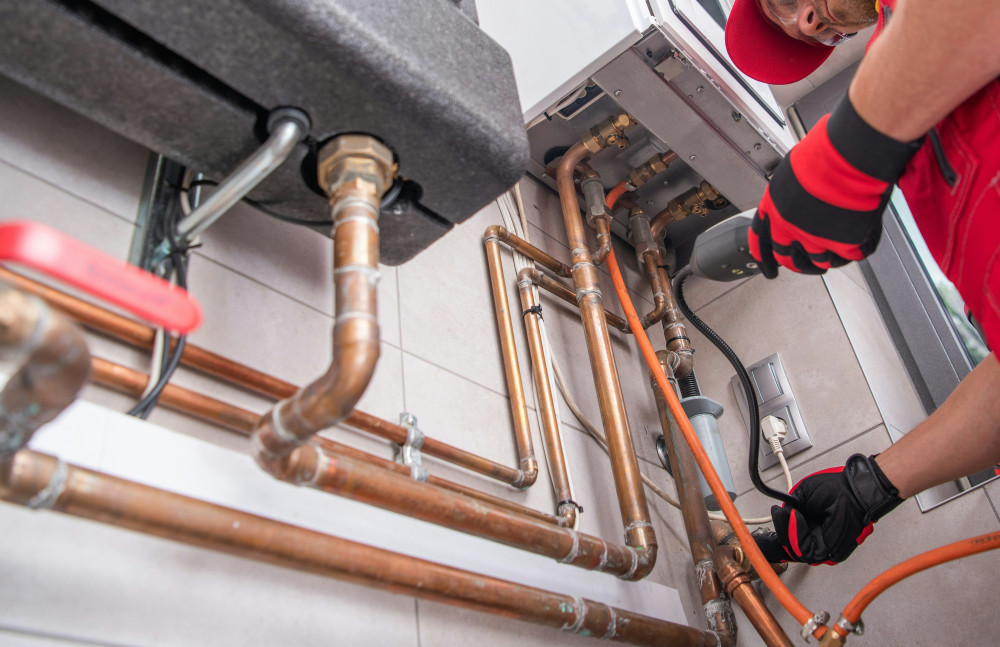
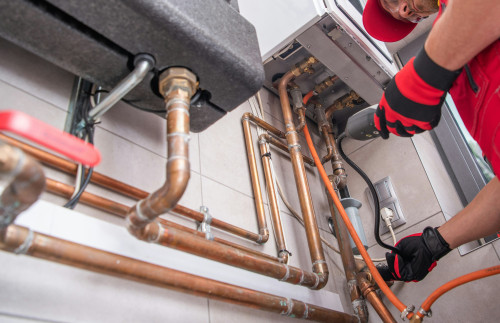
Hot water systems operate under pressure, and improper handling can result in burns or scalding. Before working on a water heater or boiler, turn off the power or gas supply and allow the system to cool. Relieve pressure by opening a hot water faucet before disconnecting any lines.
Wear gloves and safety goggles when loosening valves or fittings. If you notice fluctuating water pressure or unusual noises from your heating system, contact a licensed plumber—these can be signs of a more serious problem.
Gas Lines Require Professional Attention
Natural gas and propane are efficient energy sources but can be extremely dangerous if mishandled. Never attempt to install, move, or repair gas lines yourself. Even a small leak can lead to fire, explosion, or carbon monoxide poisoning.
If you smell gas, leave the area immediately, avoid using electrical switches or phones, and call your gas company or 911 from a safe distance. Once the area is secure, have a qualified technician inspect and repair the system before turning it back on.
Use the Right Tools and Protective Gear
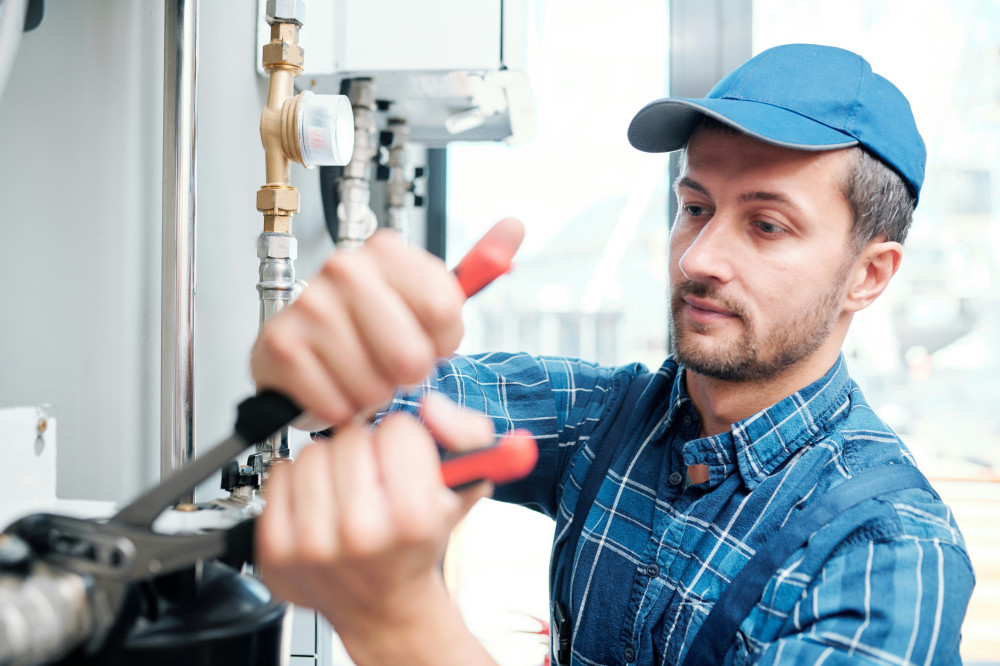
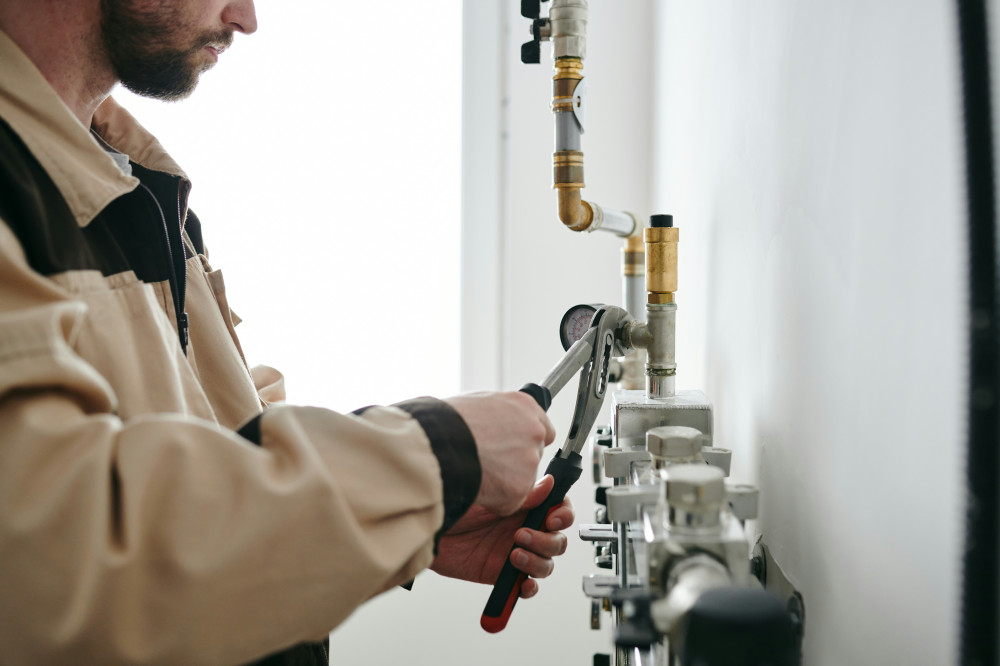
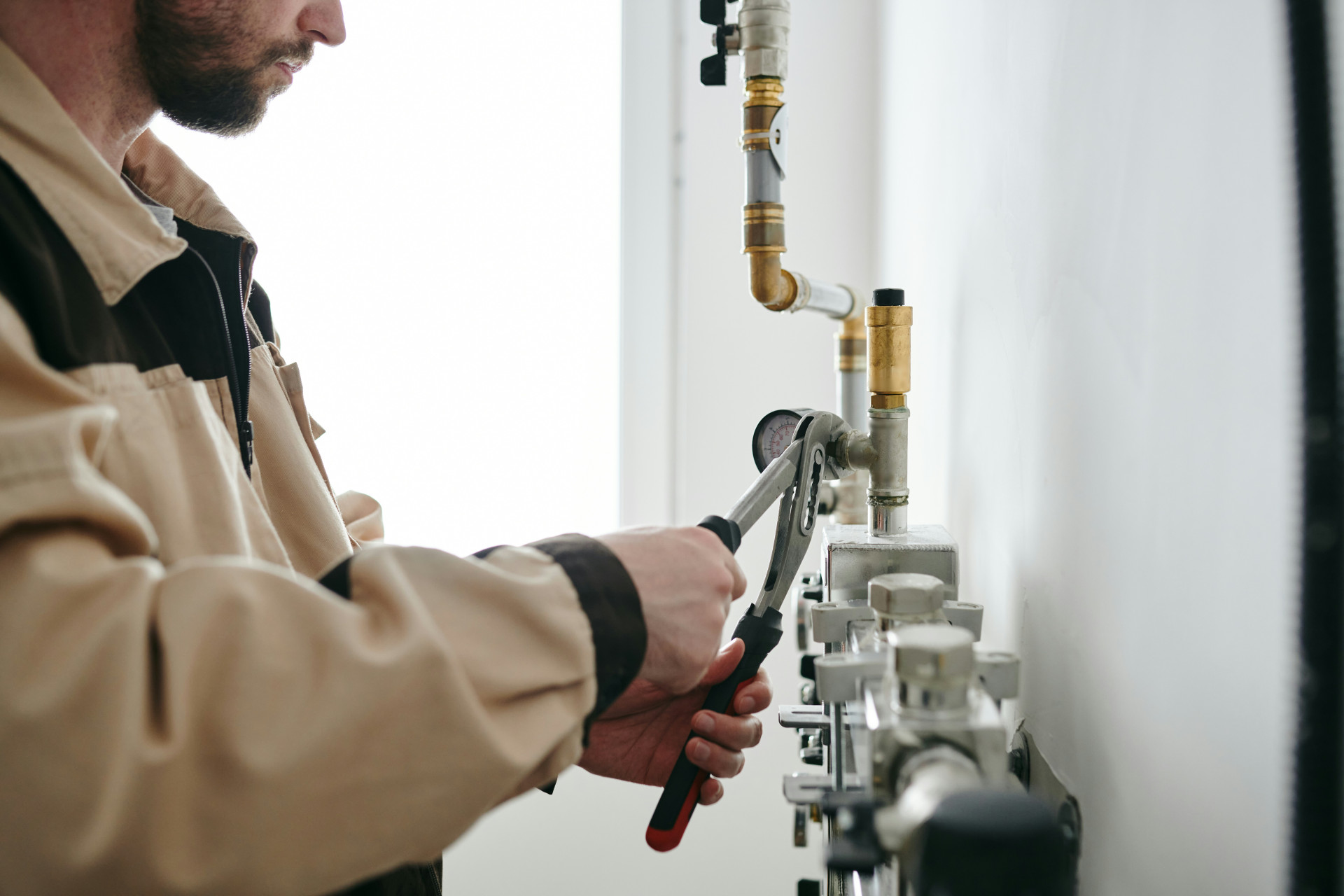
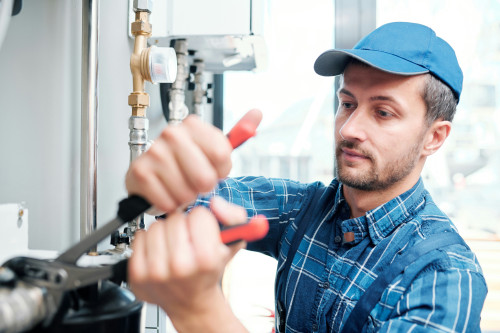
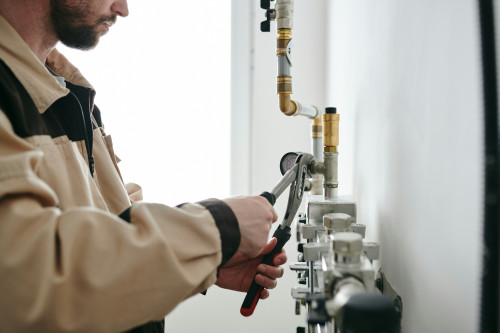
Safe plumbing work starts with proper tools. Using the wrong wrench or an ill-fitting pipe cutter can cause injury or damage to your plumbing. Invest in quality tools designed for the job, and always wear gloves to protect your hands from sharp edges and hot surfaces.
Good lighting is essential, especially when working under sinks or in tight spaces. If you’re working alone, let someone know what you’re doing in case you need assistance.
Læs også:
When It’s Time to Call a Professional
DIY plumbing can be rewarding, but it’s not always the best choice. If you notice damp walls, persistent leaks, low water pressure, or any sign of gas odor, stop and call a licensed plumber. Professionals have the training, tools, and experience to diagnose and fix problems safely and efficiently.
Putting safety first doesn’t mean avoiding all plumbing projects—it means understanding your limits and taking the right precautions. With careful planning and respect for the risks involved, you can keep your home’s plumbing system running smoothly and safely.
Læs også: