Get More from Your Funding: Combine Rural Development Support with Energy Grants

Get More from Your Funding: Combine Rural Development Support with Energy Grants
Homeowners and small business owners in rural America often face a familiar challenge: aging buildings with high energy costs and limited access to capital for improvements. The good news is that multiple federal and state programs exist to help revitalize rural properties and make them more energy efficient—and in many cases, these programs can be combined. With the right planning, you can stretch your funding further and create lasting value for your property and community.
What Is Rural Development Support?
Rural development support refers to a range of programs designed to strengthen economic and community life outside major urban areas. The U.S. Department of Agriculture (USDA) and state-level agencies offer grants and loans to improve housing, infrastructure, and local businesses. The goal is to make rural communities more vibrant, sustainable, and attractive for residents and investors alike.
For homeowners and small businesses, rural development programs can help fund:
- Renovation or repair of older buildings
- Structural improvements that enhance safety and usability
- Projects that preserve historic or community value
- New construction that supports local economic growth
However, these programs often focus on general development rather than energy efficiency. That’s where energy grants and incentives come in.
Energy Upgrades as a Smart Addition
Energy efficiency programs—offered through the U.S. Department of Energy (DOE), state energy offices, and local utilities—provide grants, rebates, or tax credits for projects that reduce energy consumption. These can include upgrading insulation, replacing windows, installing heat pumps, or adding solar panels.
By combining energy incentives with rural development funding, you can cover a broader range of costs and achieve a more comprehensive renovation. The key is to ensure that you’re not claiming two forms of support for the same expense, but rather using each program to fund different parts of your project.
How to Combine Funding in Practice
Coordinating multiple funding sources takes some planning, but the payoff can be significant. Here’s a step-by-step approach:
-
Start with an Energy Assessment Hire a certified energy auditor to identify where your property is losing energy and which upgrades will have the biggest impact. This assessment can also strengthen your grant applications.
-
Explore USDA and State Rural Programs Check the USDA Rural Development website or contact your state’s rural affairs office to learn about available grants and loans. Programs like the Single Family Housing Repair Loans & Grants or Community Facilities Direct Loan & Grant Program may apply.
-
Apply for Energy Incentives in Parallel Once you have a renovation plan, look into energy-specific programs such as the Rural Energy for America Program (REAP) for businesses and farms, or state-level energy rebate programs for homeowners. Apply before starting any work to ensure eligibility.
-
Coordinate Your Timeline and Documentation Each program has its own application process, deadlines, and reporting requirements. Keep detailed records of quotes, invoices, and project milestones to simplify compliance and reimbursement.
-
Think Holistically If you’re replacing a roof, consider adding insulation or solar panels at the same time. Bundling improvements can reduce labor costs and maximize the long-term benefits of your investment.
Læs også:


Example: Turning an Old Farmhouse into an Energy-Efficient Home
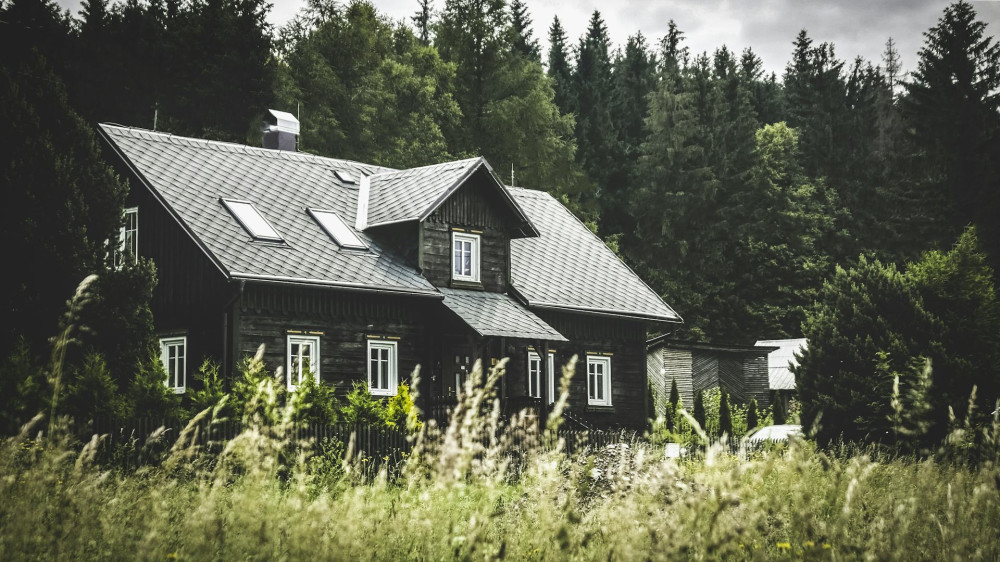
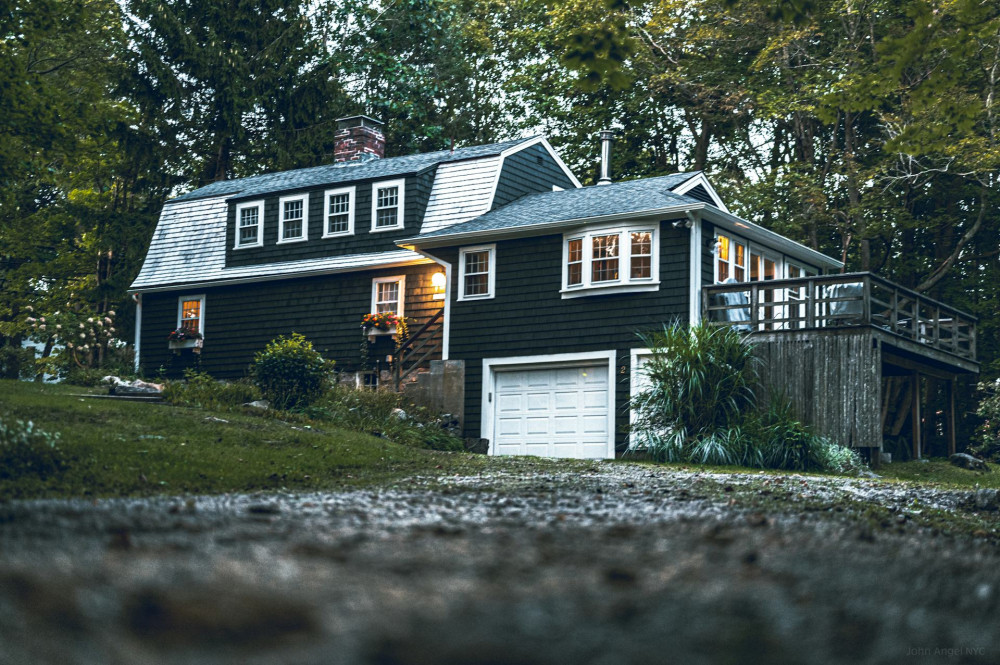
Consider a family in rural Missouri who purchased a century-old farmhouse with outdated wiring and poor insulation. By combining a USDA grant for structural repairs with a state energy rebate for installing a heat pump and new windows, they cut their energy use by nearly half. The home became more comfortable, its value increased, and the family’s monthly utility bills dropped significantly.
This example shows how strategic use of multiple funding sources can make even large-scale renovations financially feasible in rural areas.
Tips for a Successful Application Process
- Plan ahead. Many programs have limited funding windows and competitive application cycles.
- Read the fine print. Some grants require that work be completed by licensed contractors or that materials meet specific energy standards.
- Seek expert advice. Local USDA offices, energy advisors, or nonprofit housing organizations can help you navigate the process.
- Think long-term. Energy upgrades not only qualify for incentives but also reduce operating costs and increase property value over time.
Investing in Your Home and Community
Combining rural development support with energy grants is more than a financial strategy—it’s an investment in the future of your community. Upgraded homes and businesses, lower energy consumption, and revitalized main streets make rural towns more appealing to new residents and entrepreneurs.
It’s a win-win: you gain a more efficient, comfortable property, and your community grows stronger and more sustainable in the process.
Læs også: