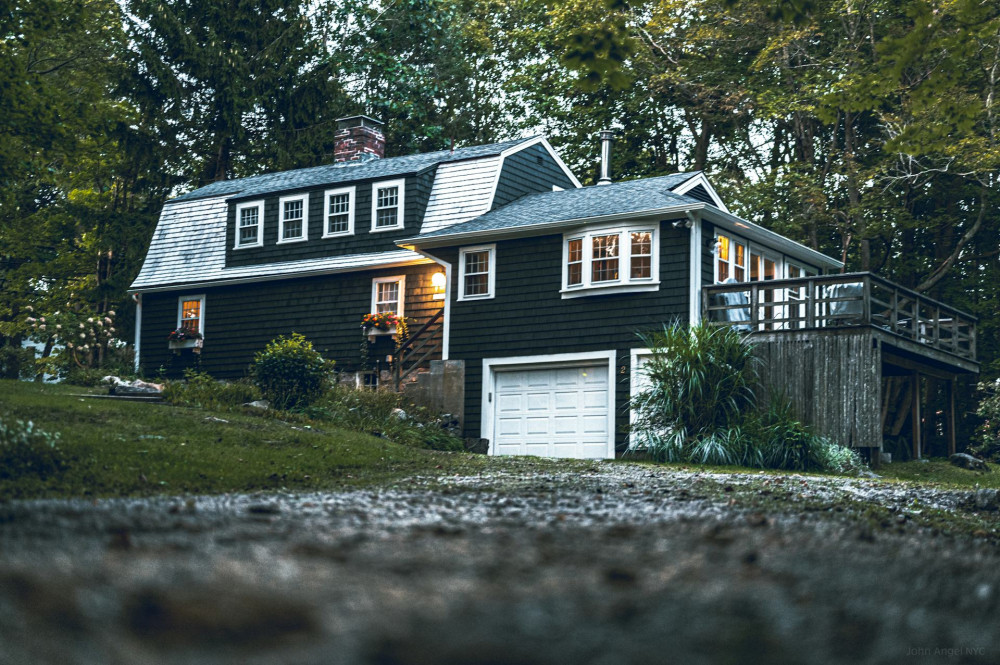
Living with Nature – How to Design a Home That Opens Up to the Outdoors


Living with Nature – How to Design a Home That Opens Up to the Outdoors
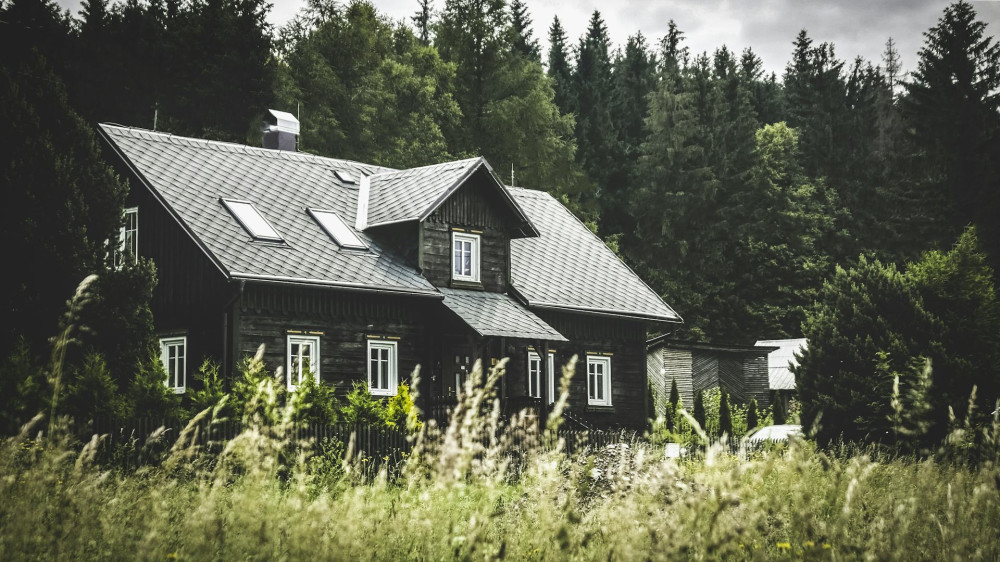
The dream of living close to nature isn’t just about location – it’s about how your home is designed, placed, and built. A house that opens up to the outdoors creates a seamless connection between inside and out, where light, air, and landscape become part of everyday life. Here’s how to design a home that lives in harmony with its surroundings.
Start with the Site
Whether you’re building new or remodeling, it’s essential to think about nature from the very beginning. The way your home sits on the land, its orientation toward the sun, and the views it frames all influence comfort, energy use, and atmosphere.
- Position your home to capture sunlight – in most U.S. climates, orienting main living spaces to the south or southwest maximizes natural light and warmth.
- Preserve existing trees and topography to help the house blend naturally into the landscape.
- Use landscaping for shade and wind protection instead of tall fences or walls – it creates a softer, more organic boundary.
By letting the site guide your design, you’ll create a home that feels like it truly belongs to its place.
Light, Views, and Flow
A home that opens to nature is all about light and connection. Large windows, glass doors, and open façades invite the outdoors in – but thoughtful design ensures comfort and privacy.
Consider how you can create visual and physical links between indoors and out:
- Install sliding or folding glass doors that can open wide in warm weather.
- Extend flooring materials onto decks or patios to blur the line between inside and outside.
- Frame views with windows at different heights, so you experience the landscape from multiple perspectives.
Balance openness with privacy by using screens, plantings, or partial walls to create intimate spaces without shutting out the natural world.
Læs også:



Materials That Belong to the Landscape
The materials you choose shape how your home feels in its environment. Natural materials like wood, stone, and clay age beautifully and connect your home to the land.
- Wood adds warmth and texture, indoors and out.
- Stone or brick provides durability and a sense of grounding.
- Green roofs or living walls can help your home merge with its surroundings while supporting local biodiversity.
Inside, continue the natural theme with untreated finishes, organic shapes, and colors inspired by the landscape around you – from desert tones in the Southwest to forest greens in the Pacific Northwest.
Comfort and Sustainability Go Hand in Hand
Living with nature also means living responsibly. A healthy indoor climate, low energy use, and sustainable materials are key to a home that respects both people and the planet.
- Design for natural ventilation with operable windows and skylights that let fresh air circulate.
- Incorporate solar panels or rainwater collection systems where possible.
- Choose non-toxic, low-VOC materials to keep indoor air clean and safe.
A home that works with nature’s forces – rather than against them – is more comfortable, efficient, and enduring.
Outdoor Spaces as Living Spaces
Decks, patios, and covered porches extend your living area and make it easier to enjoy the outdoors year-round. Think of these spaces as natural extensions of your home’s functions.
- A sunny breakfast nook on the east side for morning coffee.
- A shaded patio or fire pit on the west side for evening gatherings.
- A screened porch or pergola that offers shelter from sun and rain.
By creating several small outdoor zones, you can follow the rhythm of the day and the seasons – and make nature part of your daily routine.
A Home That Brings Peace and Presence
When architecture and nature work together, something special happens. The movement of trees, the changing light, the sound of rain on the roof – all remind us that we’re part of something larger.
Living with nature isn’t just about aesthetics or sustainability; it’s about quality of life. A home that opens to the outdoors offers space for calm, inspiration, and connection – a place where you can truly breathe.
Læs også: