How to Assess Table Proportions in Relation to Chairs and Lamps

How to Assess Table Proportions in Relation to Chairs and Lamps
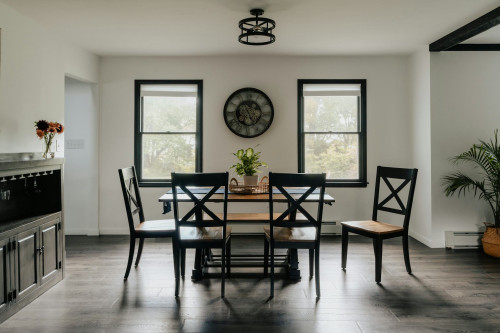
A well-designed dining area isn’t just about materials and colors—it’s about proportions. A table that fits the room, the chairs around it, and the light above it creates a sense of balance and comfort. On the other hand, a table that’s too large, too tall, or too small for its surroundings can make even the most stylish space feel awkward. Here’s a guide to help you assess table proportions in relation to chairs and lamps, so you can create a cohesive and inviting dining area.
Start with the Table’s Size in the Room
Before choosing a table, consider the size and shape of your dining space. A good rule of thumb is to leave at least 36 inches of clearance around the table so people can pull out chairs and move comfortably. In tighter spaces, you can reduce that to about 30 inches, but less than that will feel cramped.
Rectangular tables tend to work best in long, narrow rooms, while round or oval tables are ideal for square spaces, encouraging easier movement and conversation. Keep in mind that the table’s shape also affects how light from the overhead fixture spreads across the surface.
Table Height and Chair Height – Finding the Practical Balance
The standard dining table height in the U.S. is between 28 and 30 inches. This pairs well with chairs that have a seat height of about 18 inches, leaving roughly 10 to 12 inches of space between the seat and the tabletop—enough for comfortable seating without feeling squeezed.
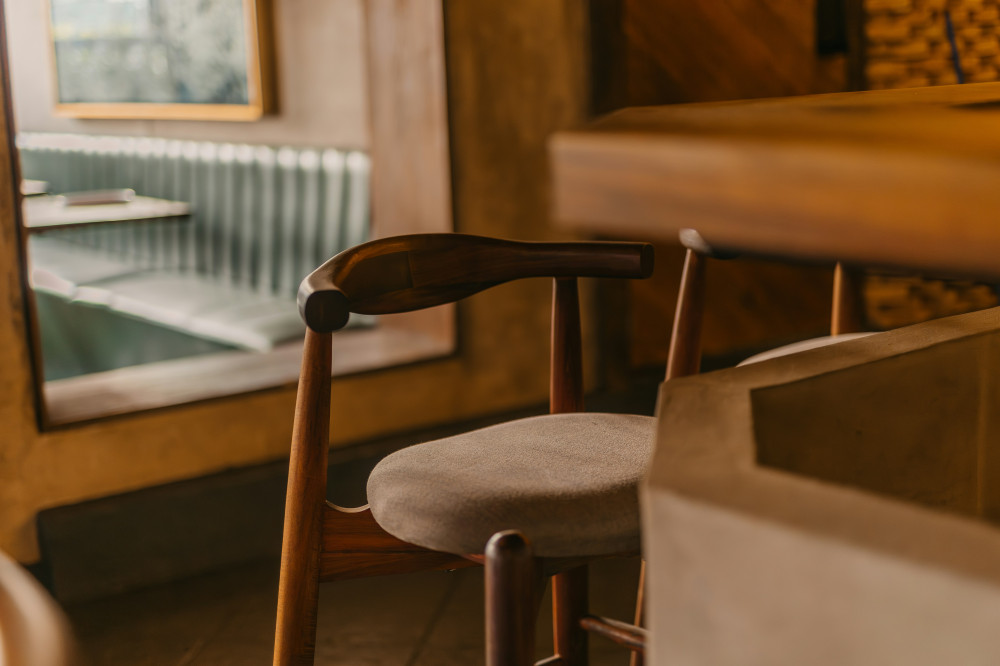
If your chairs have armrests, make sure they can slide under the table when not in use. You’ll typically need at least 25 inches of clearance from the floor to the underside of the tabletop for that to work.
For counter-height or bar-height tables, the proportions change: counter tables are usually around 36 inches high, while bar tables can reach 40–42 inches. Choose stools that match—counter stools with 24–26-inch seats and bar stools with 28–30-inch seats.
Læs også:

The Lamp’s Role in the Overall Balance
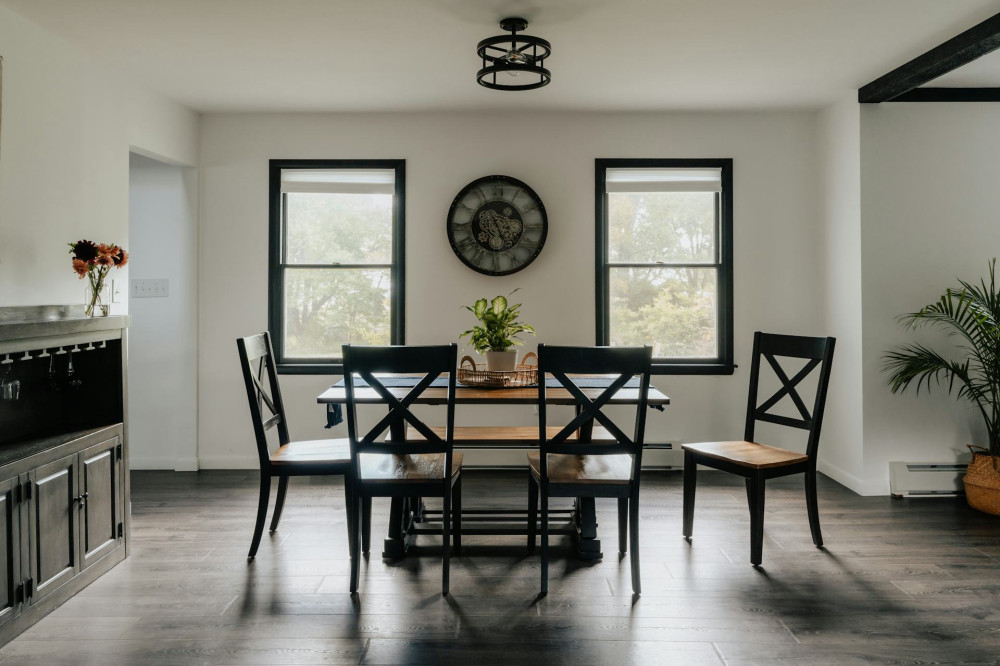
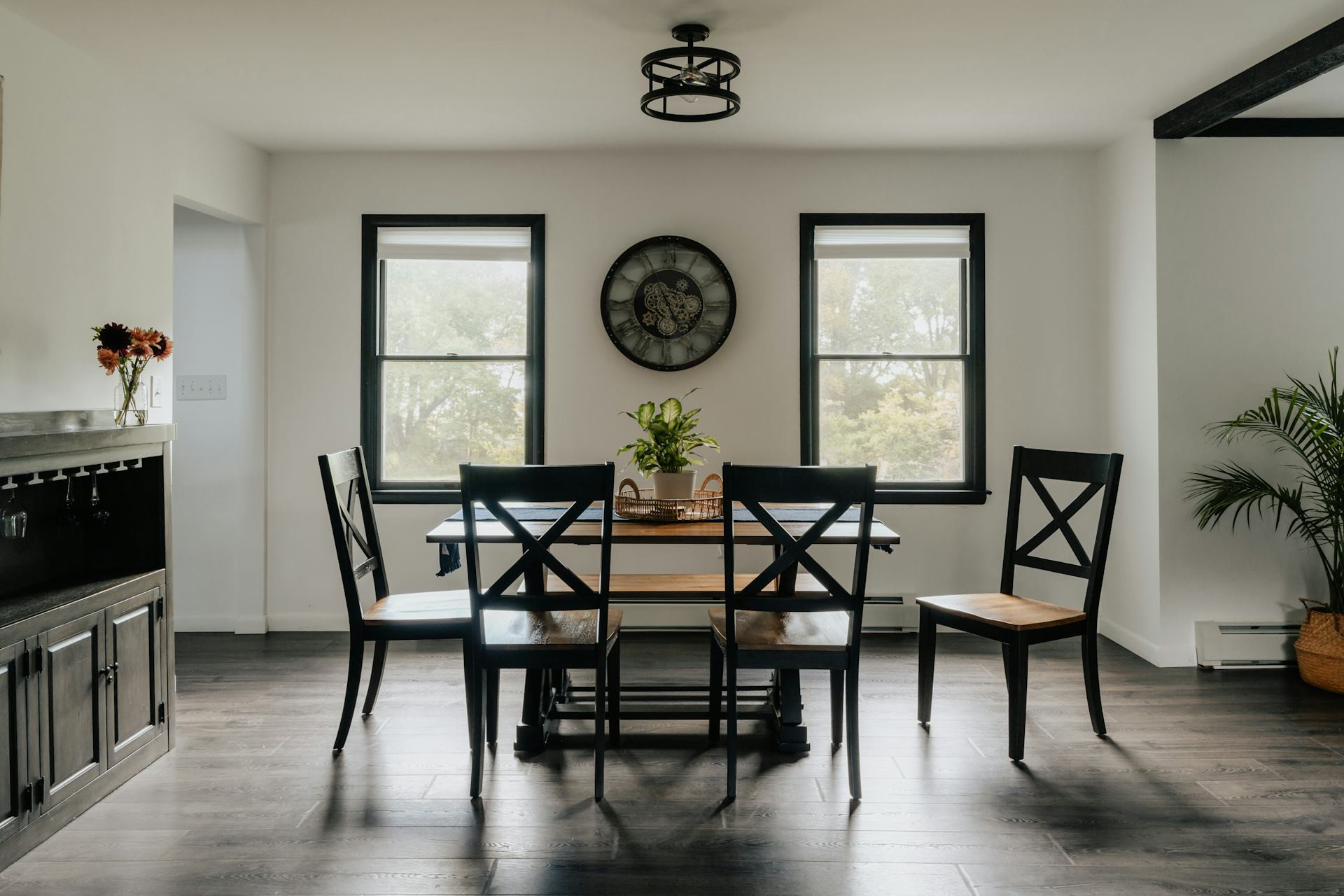
The light fixture above the table isn’t just functional—it’s part of the visual composition. A lamp that hangs too high feels disconnected from the table, while one that hangs too low can dominate the space or block sightlines.
As a general guideline, the bottom of the pendant or chandelier should hang about 28–34 inches above the tabletop, depending on the fixture’s size and the ceiling height. Larger fixtures can hang a bit higher, while smaller ones can be lower to create a cozy, intimate glow.
For long tables, consider using two or three smaller pendants in a row instead of one large fixture. This creates a more balanced look and distributes light evenly across the surface.
Visual Weight and Materials
Proportion isn’t only about measurements—it’s also about visual weight. A solid wood table with thick legs will appear heavier than a glass or metal table of the same size. To maintain harmony, balance the visual weight of your table with that of your chairs and lighting.
If your chairs are light and airy, a bulky table might feel overpowering. Conversely, a sturdy table paired with substantial chairs can create a grounded, classic look. The goal is to achieve a sense of equilibrium where no single element overwhelms the others.
Light, Color, and Space Perception
Lighting and color influence how proportions are perceived. In a bright, open room, you can get away with a larger table because the space feels more expansive. In a darker or smaller room, a more compact table will feel more in scale.
Color also affects visual balance: light finishes make furniture appear smaller and lighter, while dark tones add visual weight. If you have a dark tabletop, you can offset it with lighter chairs or a bright overhead fixture to keep the space from feeling heavy.
Testing Proportions Before You Commit
Before making a purchase, try marking the table’s footprint on the floor with painter’s tape or newspaper. This helps you visualize how much space the table will occupy and how it will interact with chairs and lighting.
Arrange chairs around the outline and imagine moving through the space. Think about where the light fixture will hang in relation to the table’s center—this is often when you’ll notice whether the proportions feel right.
The Whole Picture Matters
A dining area works best when the table, chairs, and lighting feel like parts of a single composition. It’s not about following strict rules but about creating balance between function and aesthetics. When the proportions are right, the space feels natural—like everything belongs exactly where it is.
Læs også: