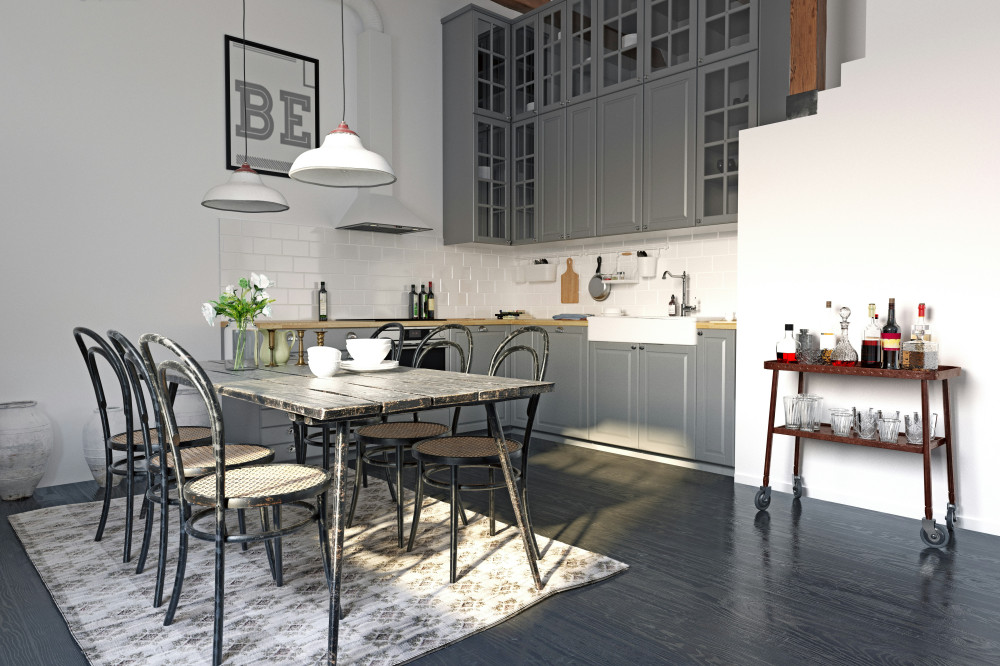
The Plank Table as a Creative Workbench for Hobby Projects

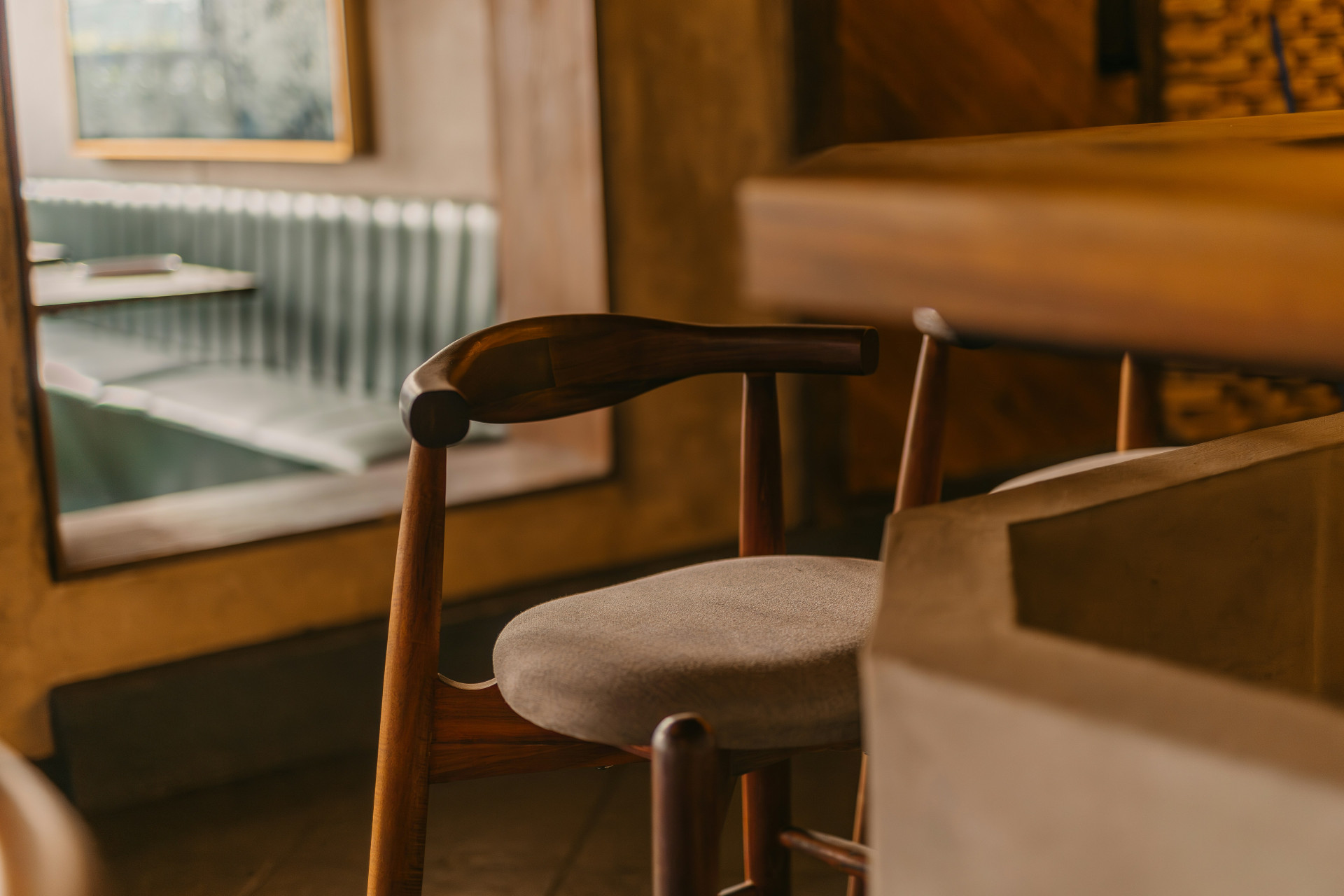
The Plank Table as a Creative Workbench for Hobby Projects
A plank table isn’t just a beautiful dining surface—it can also serve as an ideal workbench for creative hobby projects. With its sturdy build, natural look, and versatile design, a plank table offers both functionality and inspiration for everything from woodworking and sewing to model building and art experiments. Here’s how you can turn a plank table into your personal creative workspace.
A Table with Character and Strength
Plank tables are known for their solid construction and timeless materials. Often made from hardwoods like oak, ash, or walnut, they provide a stable and durable surface that can handle cutting, painting, gluing, or assembling.
The natural grain and texture of the wood add warmth and personality to any room. While many modern worktables can feel sterile, a plank table brings a sense of calm and authenticity that encourages creativity. It’s a piece that feels alive—one that invites you to roll up your sleeves and start making something.
Customize the Table to Fit Your Needs
One of the biggest advantages of a plank table is its adaptability. If you plan to use it for sewing, choose a model with enough depth for your machine, fabric rolls, and tools. For woodworking or crafting, a thicker tabletop can better withstand pressure and wear.
Height is another key factor. A standard dining table is about 29–30 inches high, which works well for seated tasks. But if you prefer to stand while working, consider a taller table or an adjustable-height base. Alternating between sitting and standing can help prevent back and shoulder strain during long creative sessions.
Læs også:
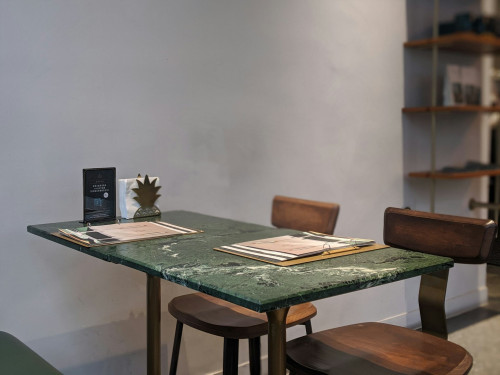
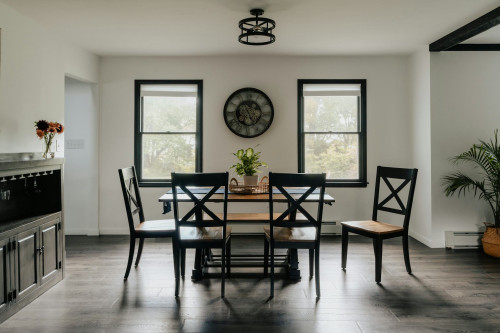

Protect and Maintain the Surface
When using a plank table as a workbench, it’s important to protect the surface. A good oil or wax finish will make the wood more resistant to stains and scratches. You can also cover the tabletop with a cutting mat, craft paper, or a protective cloth when working with messy materials like paint or glue.
Over time, your table may develop marks or spots—but that’s part of its charm. If you prefer a cleaner look, you can lightly sand and re-oil the surface to restore its original beauty. That’s the advantage of solid wood: it can be renewed again and again without losing its character.
Create an Inspiring Workspace
A creative workbench works best when the environment supports your process. Make sure you have good lighting—ideally a mix of natural light and a flexible task lamp that can be directed where you need it. Storage is also essential: shelves, bins, or small drawers can help keep materials and tools organized so your workspace stays clear and inviting.
Don’t be afraid to let some of your projects or materials stay visible. They add life to the room and remind you of what you’re working on. A plank table with a bit of patina tells a story—it becomes a reflection of your creative journey.
From Dining Table to Workshop—and Back Again
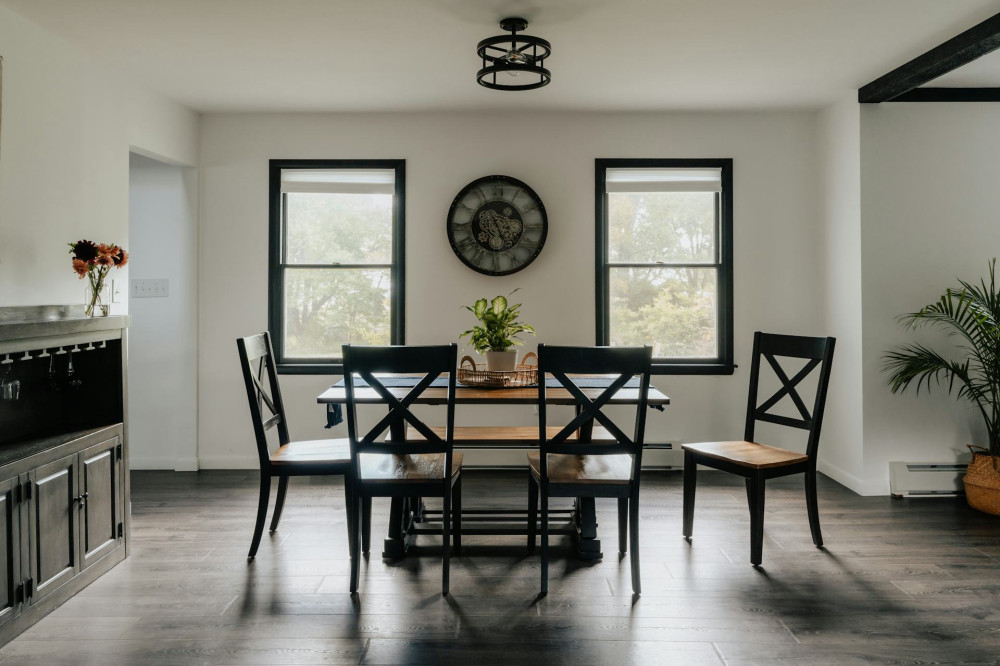
Many people use their plank table as a multifunctional piece of furniture. It can serve as a dining table during the week and transform into a creative workbench on weekends. With a few smart solutions—like a protective mat, portable storage boxes, and easy cleanup—you can switch between the two functions in no time.
This makes a plank table a great choice for those living in smaller spaces who still want a dedicated area for hands-on projects.
A Table That Inspires Creativity
A plank table is more than just furniture—it’s a foundation for creativity. Its natural materials, solid craftsmanship, and aesthetic appeal make it a place where ideas take shape and hands get to work. Whether you’re sewing, painting, building, or sketching, a plank table can become the steady center of your hobby projects—a space where imagination meets craftsmanship.
Læs også: