Insulation Materials and Environmental Footprint – Choose Wisely

Insulation Materials and Environmental Footprint – Choose Wisely
When building a new home or upgrading an existing one, the choice of insulation material plays a crucial role—not only in energy efficiency but also in environmental impact. Insulation reduces heat loss and energy consumption, but the production, transportation, and disposal of materials can vary widely in their carbon footprint. Choosing wisely means balancing performance, cost, and sustainability. Here’s an overview of common insulation types, their environmental impact, and what to consider before making your decision.
Why the Environmental Footprint Matters
The building sector accounts for a significant share of global greenhouse gas emissions, and material choices are a major part of that equation. Insulation materials are produced in different ways—some require high heat and energy, while others rely on renewable resources. A material with excellent thermal performance isn’t necessarily the most sustainable if it has a large carbon footprint during production or is difficult to recycle.
When evaluating environmental impact, consider three life-cycle stages:
- Production – how much energy and raw material are used.
- Use – how efficiently the material insulates and how long it lasts.
- End of life – whether it can be reused, recycled, or biodegraded.
The Conventional Choices: Fiberglass and Foam
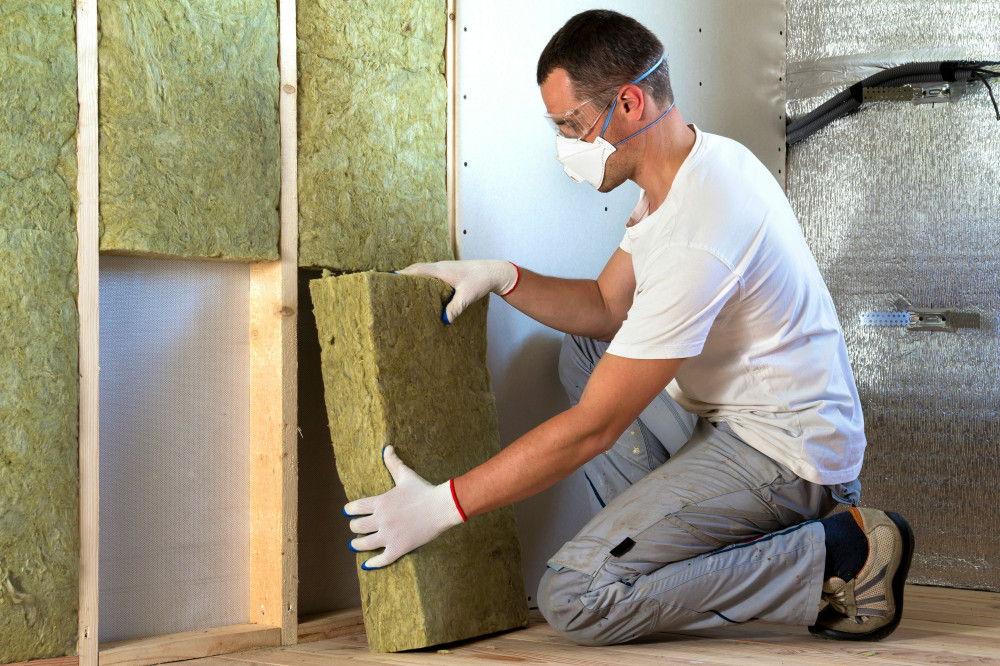
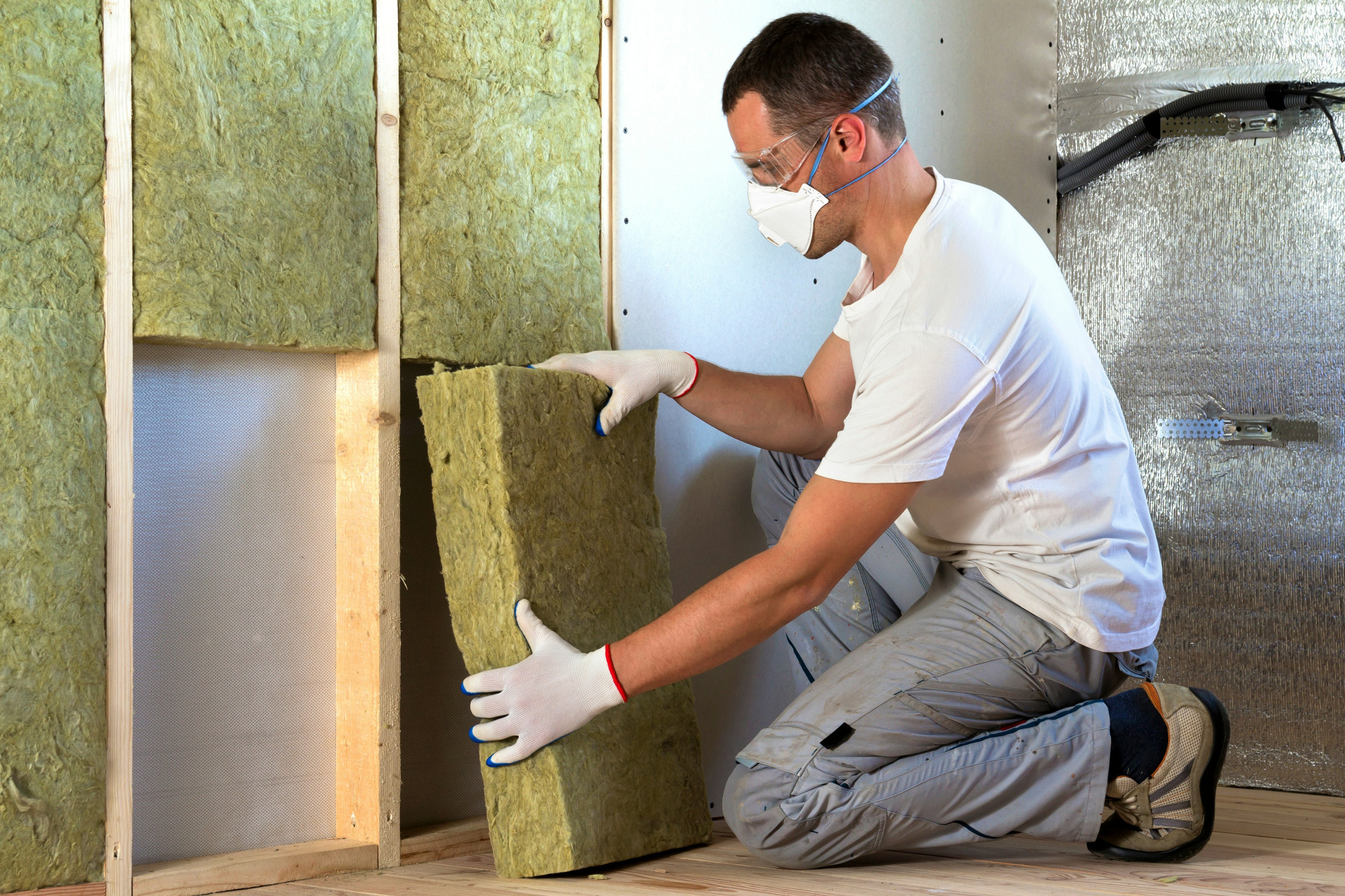
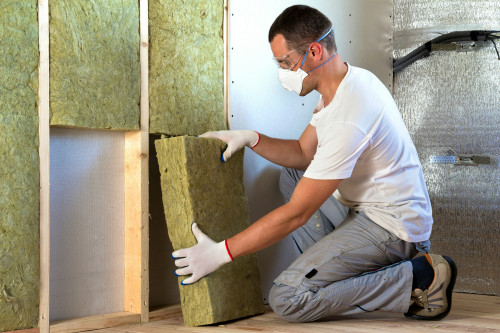
Fiberglass insulation is one of the most common materials in U.S. homes. It’s affordable, non-combustible, and provides reliable thermal performance. However, manufacturing fiberglass requires melting sand and recycled glass at high temperatures, which consumes significant energy. On the positive side, many U.S. manufacturers now use a high percentage of recycled content and have improved production efficiency.
Foam insulation—including expanded polystyrene (EPS), extruded polystyrene (XPS), and polyurethane (PUR)—offers high insulating value per inch, making it ideal where space is limited, such as in basements or roofs. But foam is petroleum-based and can be difficult to recycle. Some types also use blowing agents with high global warming potential. While foam can reduce heating and cooling costs over time, its production footprint is relatively high.
The Natural Alternatives: Cellulose, Wood Fiber, and Hemp
Interest in bio-based insulation materials has grown in recent years as homeowners and builders look for renewable, low-impact options.
- Cellulose insulation is made from recycled newspaper treated with fire retardants. It’s one of the most eco-friendly options available in the U.S., with a low embodied energy and excellent thermal performance. Proper installation is key to prevent settling over time.
- Wood fiber insulation, common in Europe and increasingly available in North America, is made from sawmill by-products. It offers good moisture regulation and stores carbon during its lifetime.
- Hemp and other plant-based fibers are renewable, biodegradable, and provide good insulation. While still niche in the U.S. market, they’re gaining attention for their low environmental impact and healthy indoor air qualities.
These natural materials often have a smaller carbon footprint than conventional options, but they may require careful installation to ensure durability and moisture control.
Læs også:
Durability and Recyclability
Sustainability isn’t just about how a material is made—it’s also about how long it lasts. A product that performs well for 50 years without losing insulating power can be more environmentally friendly than one that needs replacement after 20. Recyclability is another key factor. Some manufacturers now offer take-back programs or design materials that can be reused in new products, reducing waste and resource use.
When planning your project, ask suppliers whether the insulation has an Environmental Product Declaration (EPD) or other third-party certification that documents its environmental performance.
Cost, Performance, and Peace of Mind
It’s tempting to choose the cheapest option, but price shouldn’t be the only factor. A slightly more expensive but eco-friendlier material can pay off over time through lower energy bills and a smaller carbon footprint. Also consider how the material affects indoor comfort—some natural insulations help regulate humidity and reduce the risk of mold, contributing to a healthier home environment.
How to Choose Wisely
When selecting insulation, keep these guidelines in mind:
- Think holistically – evaluate the entire life cycle, not just the R-value.
- Look for verified sustainability – check for EPDs, GREENGUARD, or other certifications.
- Consider local materials – shorter transport distances mean lower emissions.
- Plan for the future – choose materials that can be separated and reused.
A thoughtful choice of insulation material benefits not only the planet but also your home’s comfort and long-term value. With a bit of research and care, you can create a living space that stays warm, efficient, and environmentally responsible.
Læs også: