Proportions and Lines in Architecture – The Art of Creating Balance

Proportions and Lines in Architecture – The Art of Creating Balance
When we encounter a building that feels harmonious and well-composed, it’s rarely by chance. Behind that sense of balance lies a deliberate orchestration of proportions, lines, and rhythm—elements that together create unity between form, function, and context. Whether it’s a suburban home, a historic landmark, or a new public space, understanding proportion is one of the most essential keys to good design.
Proportion – The Hidden Mathematics of Architecture
Proportion is about the relationship between a building’s parts: the height compared to the width, the size of windows relative to the façade, and how the roof interacts with the rest of the structure. When these relationships are in tune, the building feels calm and natural; when they’re not, it can seem awkward or unsettling, even if we can’t quite explain why.
Architects have studied proportion for centuries. The ancient Greeks used the “golden ratio” to achieve balance in temples and sculptures, and those same principles continue to influence design today—often adapted to modern materials and functional needs.
A well-proportioned façade, for example, might feature windows and doors arranged in a rhythmic pattern. If one window is too large or placed too close to a corner, the visual harmony breaks down, and the building loses its sense of order.
Læs også:

Lines, Rhythm, and Movement
Lines are the language of architecture. They guide the eye, define direction, and shape a building’s character. Vertical lines convey strength and aspiration, while horizontal lines suggest calm and stability. When these are combined thoughtfully, they create a rhythm that gives a building life without making it chaotic.
In contemporary American architecture, lines often serve to connect indoor and outdoor spaces. Expansive glass walls that follow a clear linear pattern can draw the landscape into the home, creating openness and light. On the exterior, lines formed by shadows, materials, or subtle shifts in depth can add texture and visual interest.
This isn’t just about aesthetics—it’s about experience. A building with well-balanced lines feels intuitively comfortable to move through and around.
The Human Scale
A central principle in architecture is that buildings should relate to the human body. A façade that’s too tall or massive can feel intimidating, while one that’s too small may seem insignificant. The right balance is achieved when a building feels “just right” in relation to our size and movement.
Architects often use repetition and division that correspond to human dimensions—door heights, window bands, stair widths—all refined through centuries of experience with what feels natural to us as users. This sensitivity to scale ensures that architecture remains human-centered, no matter how large or small the project.
Harmony with the Surroundings
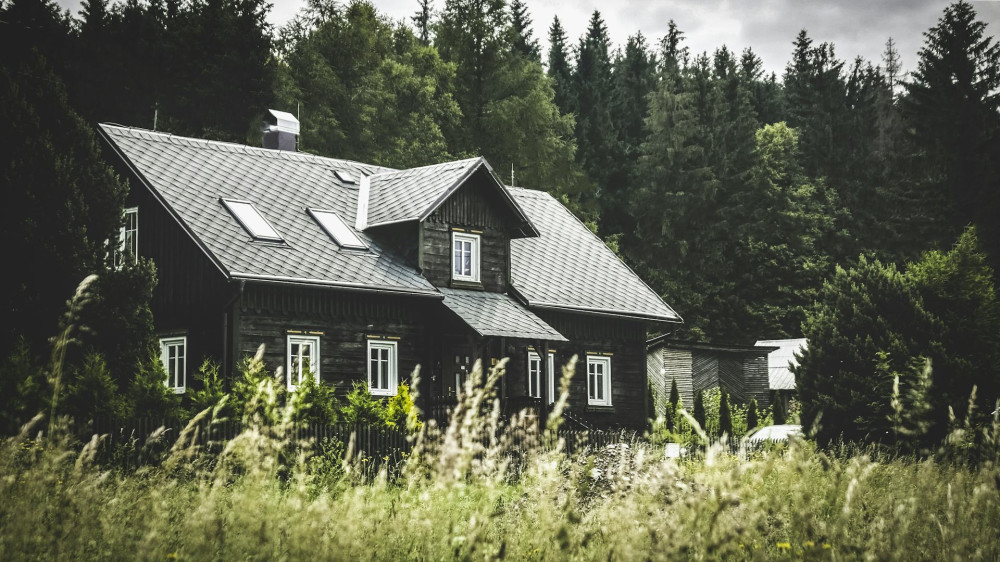
No building stands alone. It always interacts with its surroundings—whether that’s a city block, a rural landscape, or a coastal neighborhood. Proportion and line play a crucial role in how a structure fits into its context. A house that respects the scale and materials of its environment will often feel more timeless and integrated than one that ignores them.
This doesn’t mean new architecture must imitate the old. A modern addition to a historic home, for instance, can achieve balance by echoing the roofline or aligning window heights with existing elements. In doing so, it creates a dialogue between past and present rather than a clash.
From Drawing Board to Reality
Creating balance in architecture requires both technical skill and artistic intuition. On paper, proportions and lines may seem perfect, but only in the built environment do they reveal their true effect. Light, shadow, and material all influence perception—and small adjustments can make a big difference.
That’s why many architects use physical models and digital 3D renderings to test how a design will appear in real life. These tools allow for fine-tuning before construction begins, ensuring that the final result feels as balanced as it looks.
Balance as a Guiding Principle
Ultimately, proportions and lines in architecture are about more than visual appeal—they’re about creating spaces where people feel at ease. When a building is in balance with itself and its surroundings, it evokes a quiet sense of harmony that we experience instinctively, even if we can’t put it into words.
That sense of balance is what transforms a structure from something we simply see into something we truly feel—a place that doesn’t just stand, but belongs.
Læs også: