Integrate Stairs Naturally into Sloping Terrain

Integrate Stairs Naturally into Sloping Terrain
A sloping yard can add character and depth to your landscape—but it can also make access tricky. A well-designed staircase can solve that problem while enhancing the natural beauty of your property. The key is to make the stairs feel like they belong to the land, not imposed upon it. Here’s how to create a staircase that blends seamlessly into your terrain and complements your outdoor space.
Begin by Reading the Landscape
Before you start building, take time to understand how your land moves. Is the slope gentle or steep? Where does water flow after a rain? How do people naturally move through the space?
Sketch a simple plan marking paths, seating areas, and focal points. Your stairs don’t have to take the shortest route—often, a staircase that follows the contours of the slope feels more natural and inviting. Gentle curves and landings can make the transition between levels feel organic and relaxed.
Choose Materials That Belong
Material choice has a huge impact on how the stairs fit into the environment. In a naturalistic landscape, fieldstone, flagstone, or timber can create a soft, earthy connection between built and natural elements. In a more contemporary setting, concrete or steel steps can provide a clean, architectural look.
- Natural stone: Durable and timeless, ideal for rustic or wooded settings. Each stone’s irregularity adds character, but installation requires precision.
- Wood: Warm and inviting, perfect for gardens or woodland paths. Pressure-treated lumber, cedar, or redwood are good options, though they need periodic maintenance.
- Concrete: Strong and versatile, available in many finishes and colors. Pair with gravel or plantings to soften the look.
Think about how the stair materials relate to your home’s exterior and other landscape features—like patios, retaining walls, or walkways—to create a cohesive design.
Create a Comfortable Step Rhythm
A staircase should feel natural to walk on. A good rule of thumb is that two riser heights plus one tread depth should total about 25 inches. For example, if your riser is 6 inches high, the tread should be around 13 inches deep. This proportion creates a comfortable walking rhythm.
On sloping ground, you can vary riser heights slightly to follow the terrain rather than cutting straight through it. Include small landings or resting spots where people can pause and enjoy the view—especially on longer stairways.
Blend in Plantings and Pathways
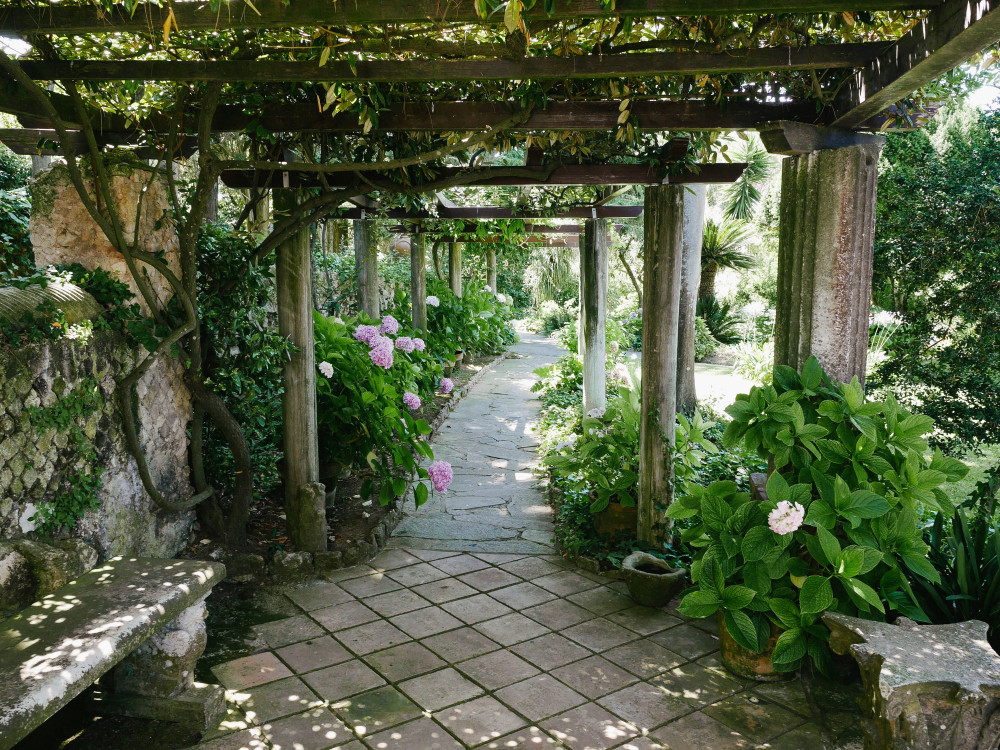
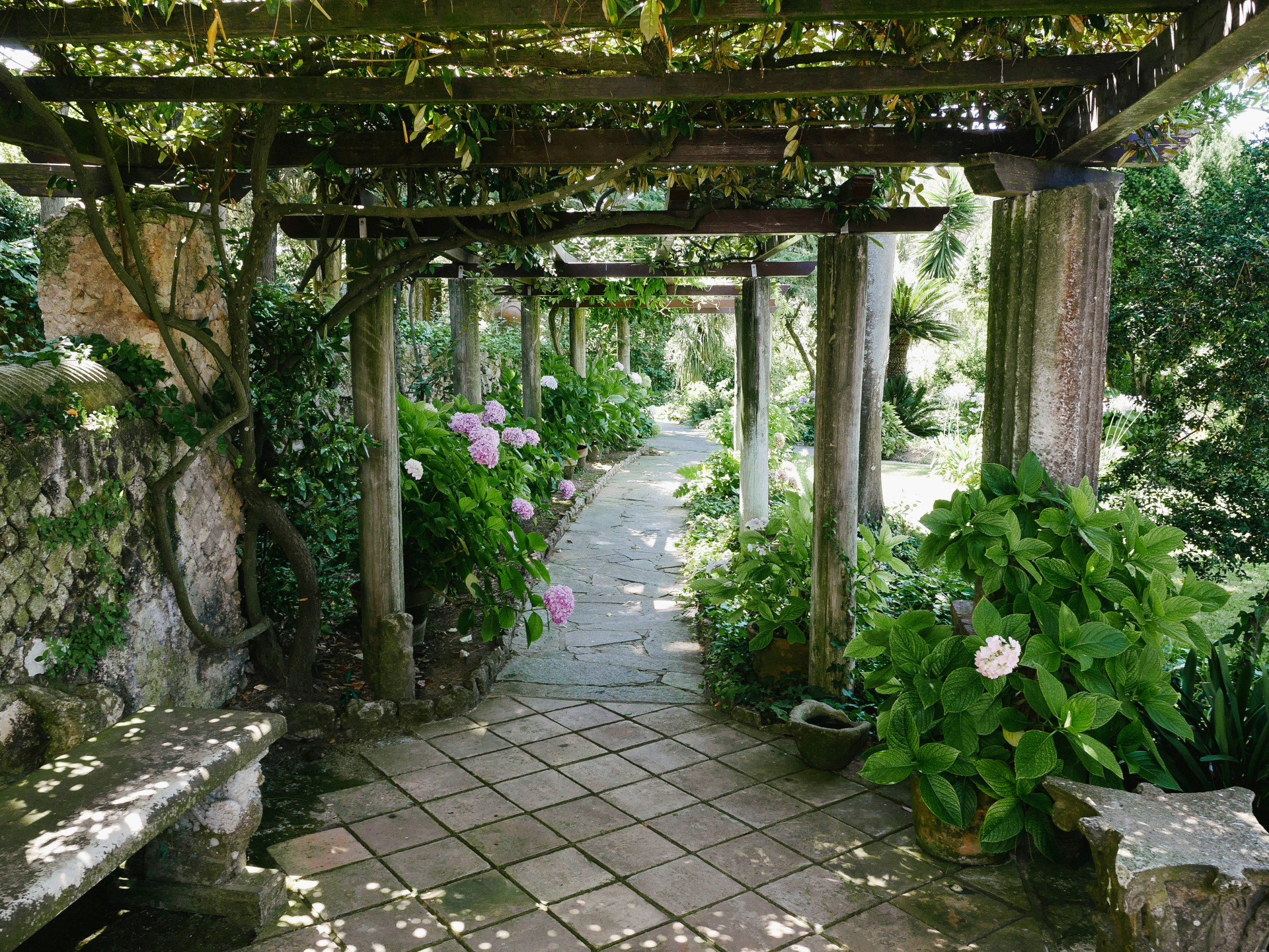
To make the stairs feel like part of the landscape, let plants grow close to the steps. Low-growing herbs, ornamental grasses, or groundcovers like creeping thyme can soften edges and create a natural transition between the stairs and the slope. If you’re using stone, allow moss or lichens to establish over time for a weathered, lived-in look.
Connect the stairs to surrounding paths with matching materials or complementary textures. A gravel or flagstone path that continues from the staircase helps tie the design together and guides movement naturally through the yard.
Læs også:


Plan for Drainage and Safety
On sloped terrain, water management is essential. Make sure each step has a slight forward pitch so rainwater drains off instead of pooling. If you’re using wood, leave small gaps between boards to allow water to pass through.
Safety is equally important. Steps should be stable, level, and slip-resistant—especially in areas that get rain, snow, or shade. Choose materials with a textured surface or apply a non-slip finish. If the stairs are used at night, consider adding a handrail or low lighting for visibility.
Light for Function and Atmosphere
Lighting can transform both the safety and the mood of your outdoor stairs. Subtle built-in step lights or small path lights along the edges can highlight the form of the staircase and create a warm, welcoming glow. Choose soft, warm-white lighting that enhances the natural materials without glare, and position fixtures to follow the flow of the stairs.
A Staircase That Belongs to the Land
When designed as part of the landscape, a staircase becomes more than a practical feature—it becomes an experience. It can guide the eye, connect different levels, and add rhythm to your outdoor space. The goal isn’t to hide the stairs, but to let them emerge naturally from the terrain—as if they’ve always been there.
Læs også: