Remove Diseased Plant Parts and Stop the Infection in Time

Remove Diseased Plant Parts and Stop the Infection in Time
When plant disease strikes, it can spread fast. A single infected leaf or branch can pass the problem to the rest of the plant—and even to nearby ones. Acting quickly is key. By removing diseased plant parts and watching for early signs of trouble, you can often save both the plant and your garden. Here’s how to stop the infection before it spreads.
Recognize the Signs of Disease
Most plant diseases start subtly: small spots on leaves, wilting stems, or unusual discoloration. It can be tricky to tell the difference between drought stress, nutrient deficiency, and disease, but there are some common warning signs to look for:
- Fungal infections often appear as gray, white, or black coatings on leaves and stems. Common examples include powdery mildew, gray mold, and rust.
- Bacterial and viral infections may cause distorted growth, curled leaves, or irregular color patterns.
- Rot usually shows up as soft, dark areas on fruits, roots, or tubers.
The earlier you spot symptoms, the easier it is to limit the damage.
Læs også:

Remove Diseased Parts—The Right Way
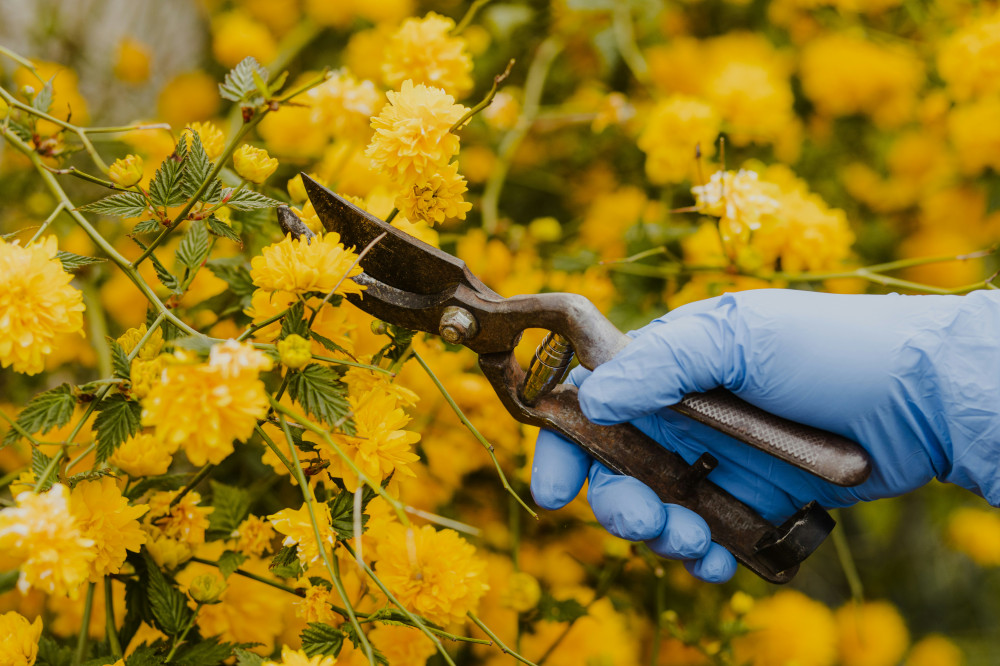
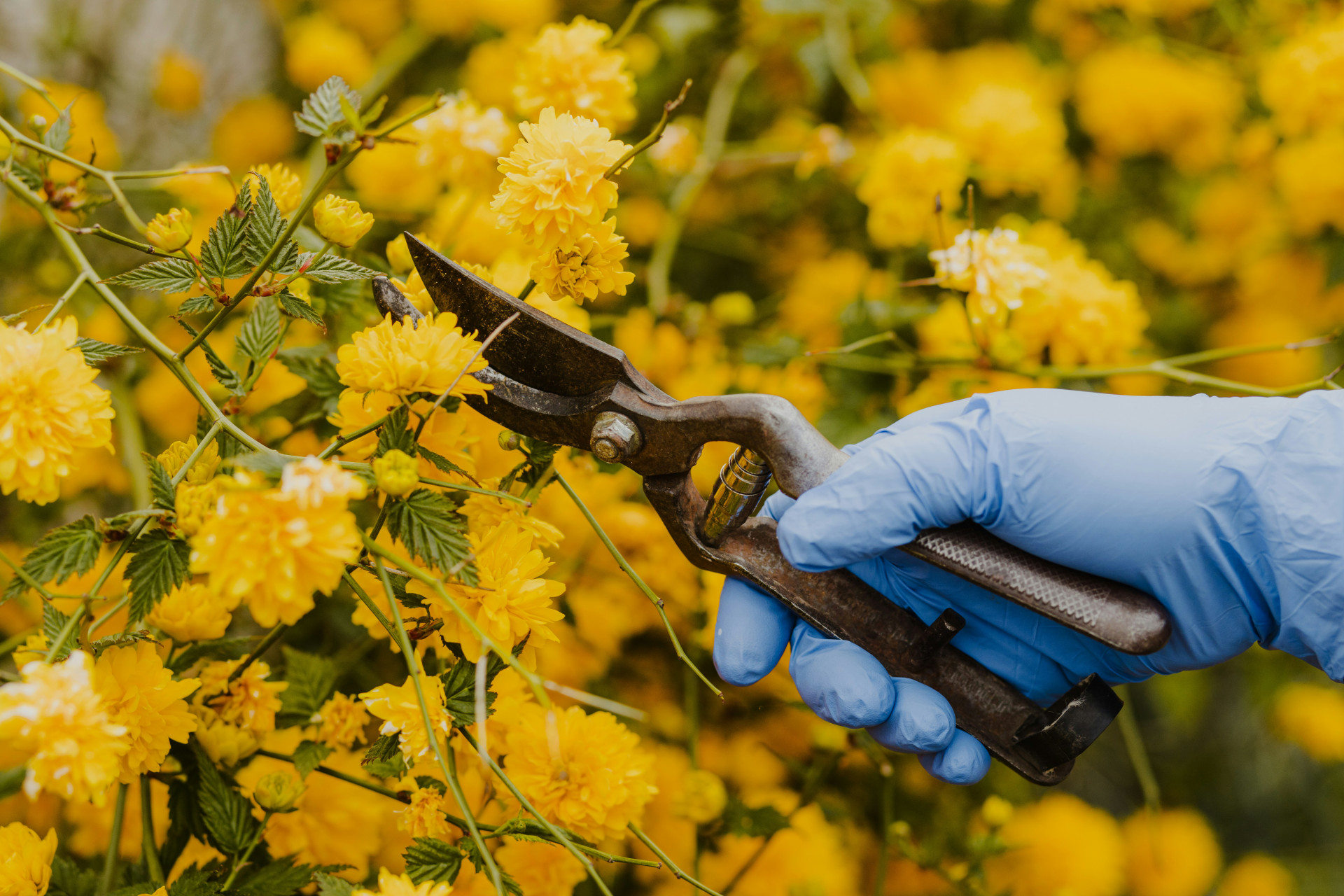
Once you notice signs of disease, act quickly. Prune or cut off the affected parts of the plant, making sure to remove a bit of healthy tissue as well to ensure you’ve eliminated all infected material. Use clean, sharp pruning shears, and disinfect them afterward with rubbing alcohol or a bleach solution to prevent spreading the disease.
Dispose of the infected material in the trash, not in your compost pile. Many fungi and bacteria can survive composting and return to your garden the following season. If local regulations allow, burning the diseased material can also be an effective way to destroy pathogens.
Prevent Problems with Good Garden Hygiene
Plant diseases thrive in crowded, damp conditions. Prevention is largely about creating a healthy growing environment:
- Provide space for airflow – Prune shrubs and trees so air can circulate freely.
- Water at the base – Avoid wetting the leaves, since moisture on foliage encourages fungal growth.
- Clean up fallen leaves – Especially in fall, when many diseases overwinter in plant debris.
- Rotate crops – Don’t grow the same vegetables in the same spot year after year; soil-borne diseases can build up over time.
Healthy soil, balanced fertilization, and diverse plantings all help your garden resist disease naturally.
Keep Watch Throughout the Season
Diseases can appear at different times of year. Spring and late summer are especially risky, as warmth and humidity create ideal conditions for fungi. Make it a habit to inspect your plants regularly—especially the undersides of leaves, where many infections begin.
If you face recurring issues with the same disease, consider choosing resistant varieties next time. Many modern cultivars are bred for natural resistance to common pathogens.
A Healthy Garden Starts with Attention
Removing diseased plant parts may seem like a small task, but it’s one of the most effective ways to protect your garden. It only takes a bit of observation and quick action. By responding in time, you can stop infections before they spread—and keep your garden thriving, healthy, and full of life all season long.
Læs også: