Keep Your Lighting in Top Shape: How to Maintain Optimal Illumination Over Time

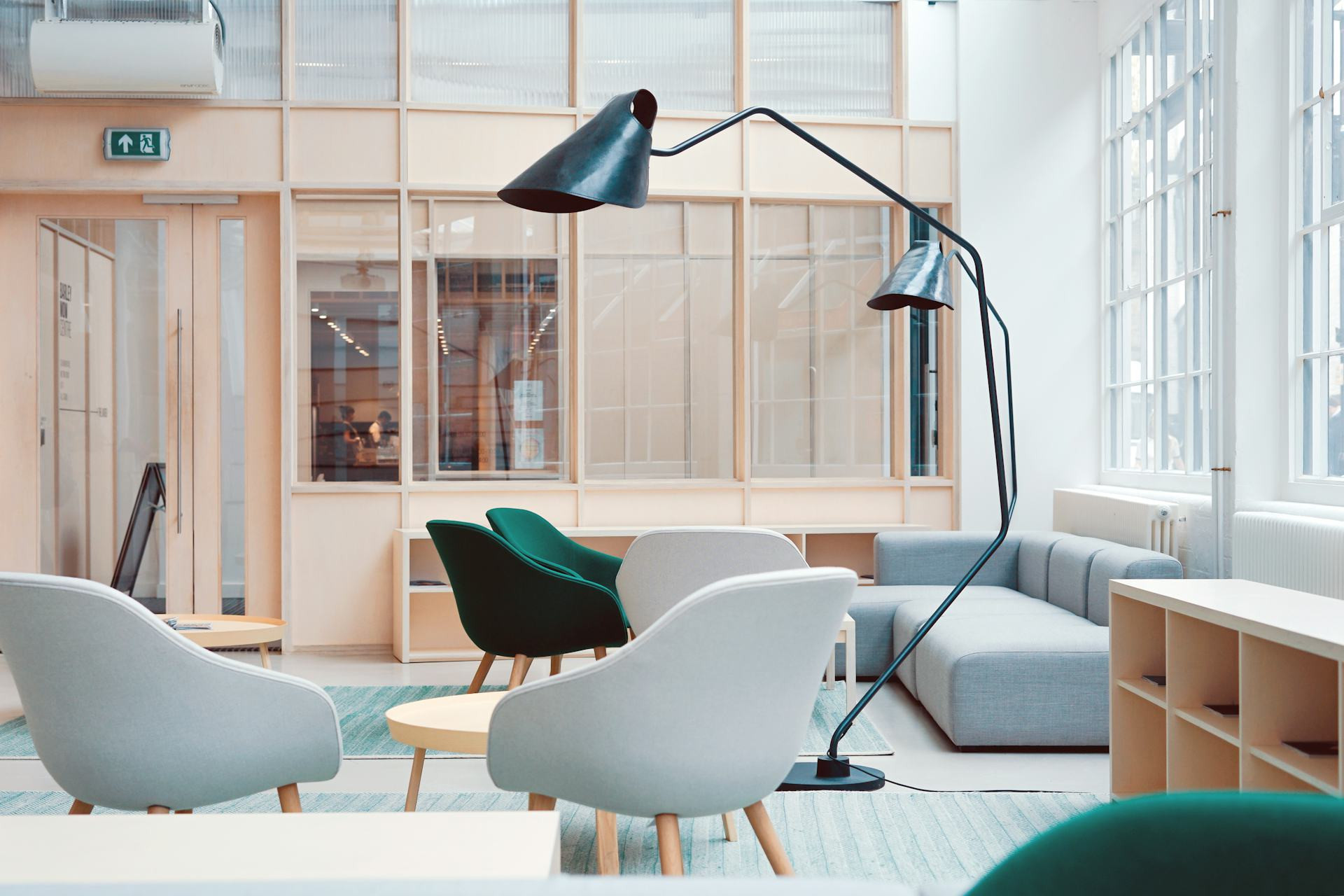
Keep Your Lighting in Top Shape: How to Maintain Optimal Illumination Over Time
Good lighting does more than brighten a room—it sets the mood, enhances colors, and influences both comfort and productivity. But even the best fixtures lose their shine if bulbs dim, shades collect dust, or light placement no longer fits your space. Fortunately, a few simple habits can keep your home bright, welcoming, and energy-efficient for years to come. Here’s how to maintain optimal illumination over time.
Clean Fixtures and Bulbs Regularly
Dust and grime are the biggest culprits when your lighting starts to look dull. A dusty lampshade can cut brightness by up to 20 percent, and smudged bulbs scatter light unevenly.
- Always turn off the power before cleaning.
- Wipe lampshades with a soft, dry cloth or a slightly damp microfiber cloth, depending on the material.
- Clean bulbs gently, especially LEDs, which can be sensitive to moisture.
- Don’t forget the inside of the shade, where dust often builds up and dims the light.
A quick cleaning a few times a year can make a noticeable difference in both brightness and atmosphere.
Replace Bulbs on Time—and Choose the Right Ones
Even long-lasting LED bulbs gradually lose brightness. If a room feels dimmer even though the bulb still works, it may be time for a replacement.
When buying new bulbs, pay attention to:
- Brightness (lumens) – choose a level that fits the room’s purpose.
- Color temperature (kelvin) – warm light (2700–3000 K) creates a cozy feel, while cooler light (4000–5000 K) suits work areas.
- Color rendering index (CRI) – the higher the number, the more natural colors will appear.
You might also consider smart bulbs, which let you adjust brightness and color tone. They offer flexibility and can extend bulb life since you’ll rarely use them at full power.
Læs også:
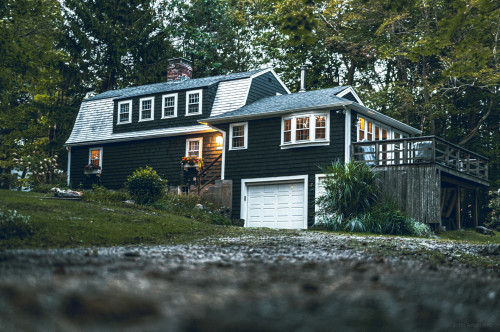
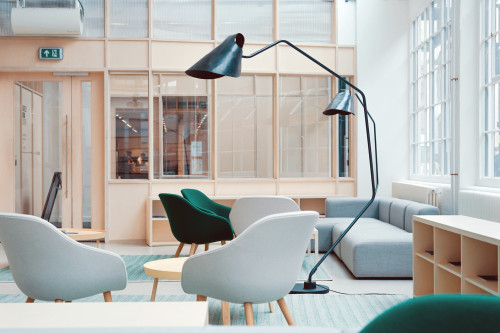
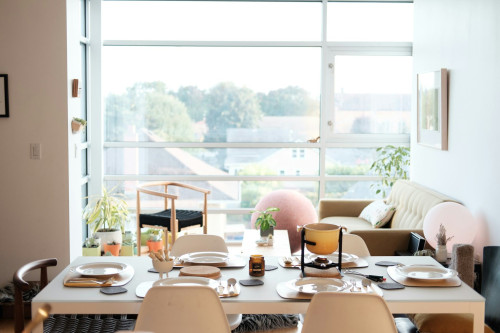
Think About Placement and Purpose
Even the most efficient bulb won’t help if it’s in the wrong spot. Over time, furniture rearrangements, new curtains, or décor changes can alter how light fills a room.
Review your lighting setup regularly:
- Do you have task lighting where you read, cook, or work?
- Is there ambient lighting that creates balance and comfort?
- Could you use accent lighting to highlight artwork, plants, or architectural details?
Adjusting lamp placement or adding new light sources can help maintain a harmonious and functional lighting environment.
Protect Against Heat and Moisture
Fixtures in kitchens and bathrooms often face steam, grease, and temperature changes that can shorten the life of bulbs and fittings.
- Use bulbs with a high IP rating in damp areas.
- Ensure good ventilation so moisture doesn’t collect in sockets or switches.
- Avoid placing lamps too close to heat sources, as excess heat can damage electronics and materials.
A dry, moderate environment is key to long-lasting lighting performance.
Make the Most of Natural Light
While artificial lighting is essential, daylight plays an equally important role. Clean your windows regularly and consider light, sheer curtains that let sunlight in.
Place mirrors strategically to reflect natural light and make rooms feel brighter. This not only enhances your space but also reduces the need for electric lighting during the day—saving energy and money.
Maintain Fixtures and Wiring
Over time, cords can stiffen, switches can loosen, and sockets can lose their grip. Inspect your lamps occasionally for wear and tear.
If you notice discoloration, flickering, or loose connections, have a licensed electrician check the setup. It’s not just about aesthetics—it’s about safety.
Lighting That Lasts—and Lifts Your Everyday Life
Maintaining optimal lighting isn’t just about technology—it’s about well-being. A well-lit home feels more inviting, and the right light can make daily tasks easier and more enjoyable.
With a little attention to cleaning, replacement, and adjustment, you can ensure your lighting stays both functional and beautiful for years to come.
Læs også: