Open Pathways and Logical Routes: Make Your Home Easy to Move Around In

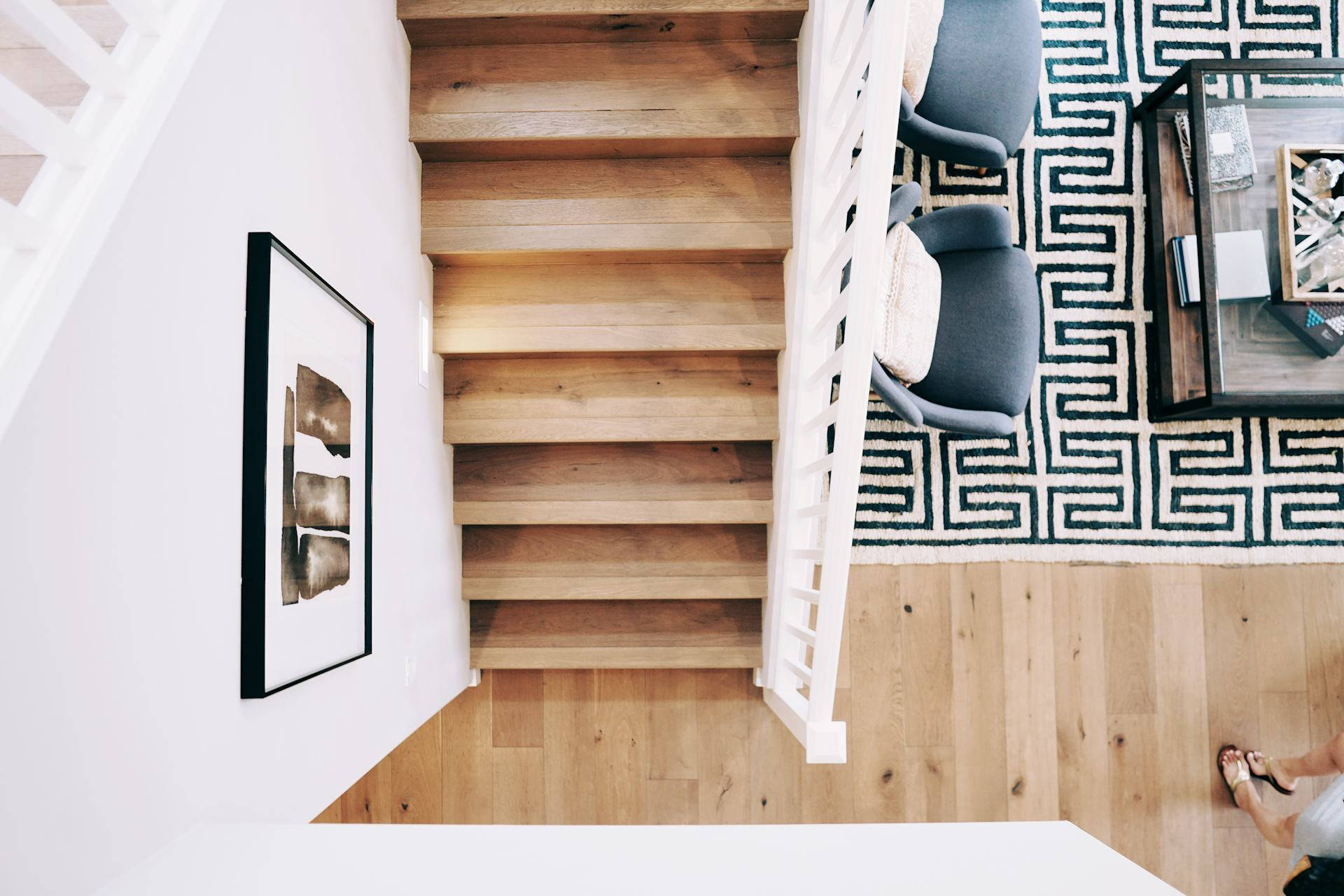
Open Pathways and Logical Routes: Make Your Home Easy to Move Around In
A home that’s easy to move around in feels larger, calmer, and more welcoming. It’s not just about looks—it’s about function. Open pathways and logical routes help you move naturally from room to room and support the rhythm of daily life. Whether you live in a compact apartment or a spacious house, a few thoughtful adjustments can make your home feel more open and comfortable.
Why Open Pathways Matter
When furniture, doors, or storage block your movement, it creates subtle tension. You have to twist, sidestep, or take detours—and that breaks the flow of everyday living. Open pathways give your body room to move freely and your mind space to relax.
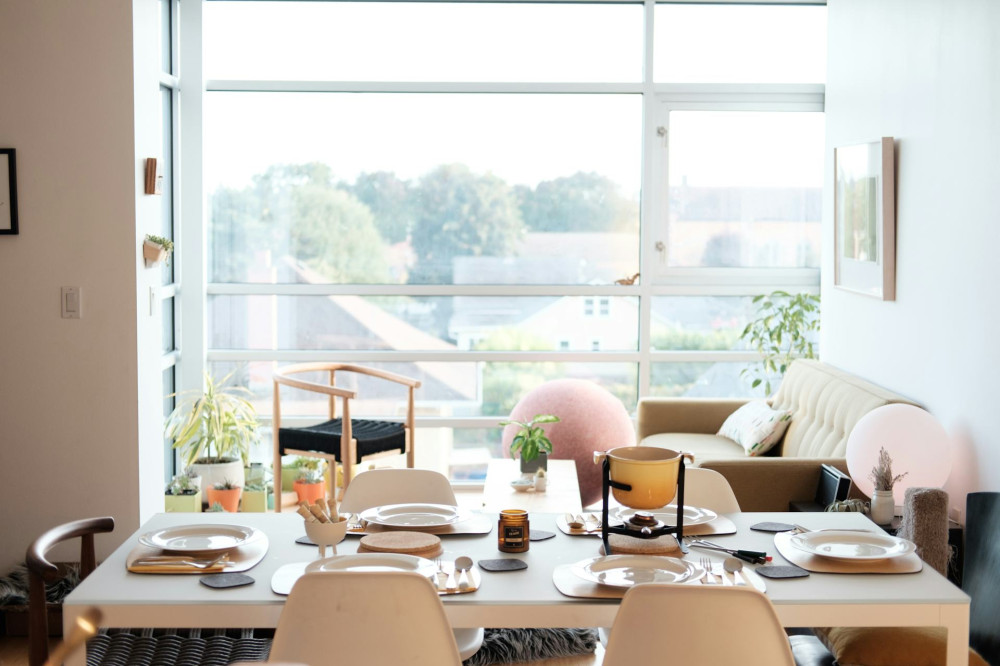
A good rule of thumb is to keep at least 32–36 inches of clear space in high-traffic areas—between the dining table and wall, or from the living room to the kitchen. In smaller homes, this might mean choosing fewer, well-placed pieces rather than filling every corner.
Create Logical Routes Through Your Home
A logical route is the path you naturally take as you move through your home. It should feel intuitive—without obstacles or unnecessary turns. Think about your daily routines: Where do you walk when you come home? How do you move when cooking, or getting ready for bed?
- From entryway to storage: Keep coats, shoes, and bags close to the door. It makes coming and going smoother and keeps clutter contained.
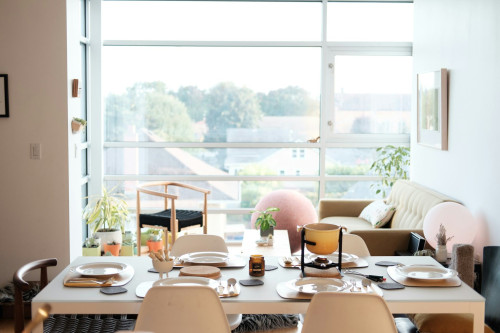
- From kitchen to dining area: Avoid having to walk around furniture to set the table or serve food.
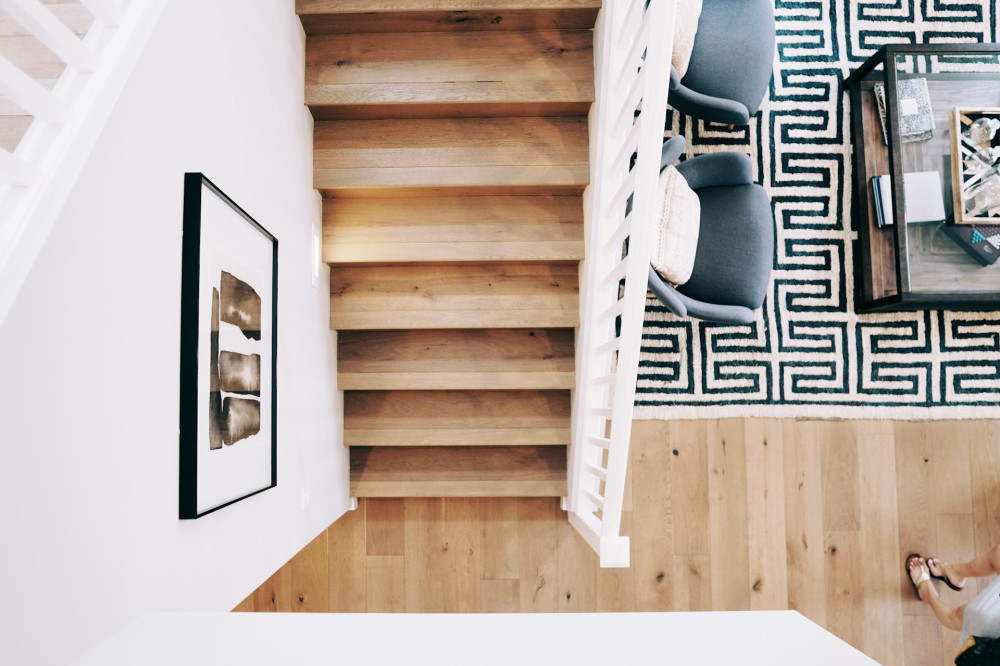
- From living room to bedroom: Create a natural transition with lighting or rugs that guide movement.
When your routes make sense, your home feels more cohesive—and you spend less energy navigating it.
Furnishing With Movement in Mind
Furniture placement often determines whether a room feels open or cramped. Look at your layout with “movement eyes”: Can you walk through easily, or do you have to squeeze past chairs and tables?
- Place furniture along walls or in defined zones to keep the center of the room open.
- Use lightweight, movable pieces that can adapt to different needs.
- Avoid bulky items in the middle of the room unless they serve a clear purpose—like a kitchen island or a sofa that defines a seating area.
A helpful trick is to take a photo of the room and trace the visual lines. If your eye can “walk” through the image without interruption, your flow is probably good.
Light and Materials That Support Flow
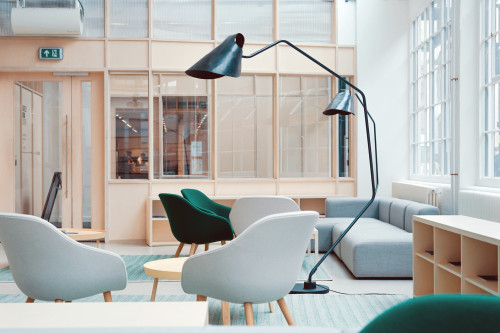
Light plays a big role in how movement feels. Natural light that travels through multiple rooms creates a sense of connection. Avoid heavy curtains or dark furniture that block light. Instead, use light colors and transparent materials—like glass doors or open shelving—that let the eye continue.
Lighting can also guide movement. Try recessed lights in hallways or lamps that draw the eye from one space to another, subtly marking the route.
Læs også:
Think About Everyday Life—Not Just Style
A home with open pathways and logical routes doesn’t have to be minimalist—it just needs to be intentional. The goal is to make daily life easier: to move freely, find things quickly, and avoid frustration from clutter or obstacles.
When planning your layout, ask yourself: How do I move here? If you often zigzag, bump into furniture, or have to move things to get by, it’s a sign your route could be improved.
A Home That Feels Light
When movement flows naturally, you feel it in your body. You relax more easily, and your rooms feel larger and more harmonious. Open pathways and logical routes are ultimately about creating a home that works with you—not against you.
Læs også: