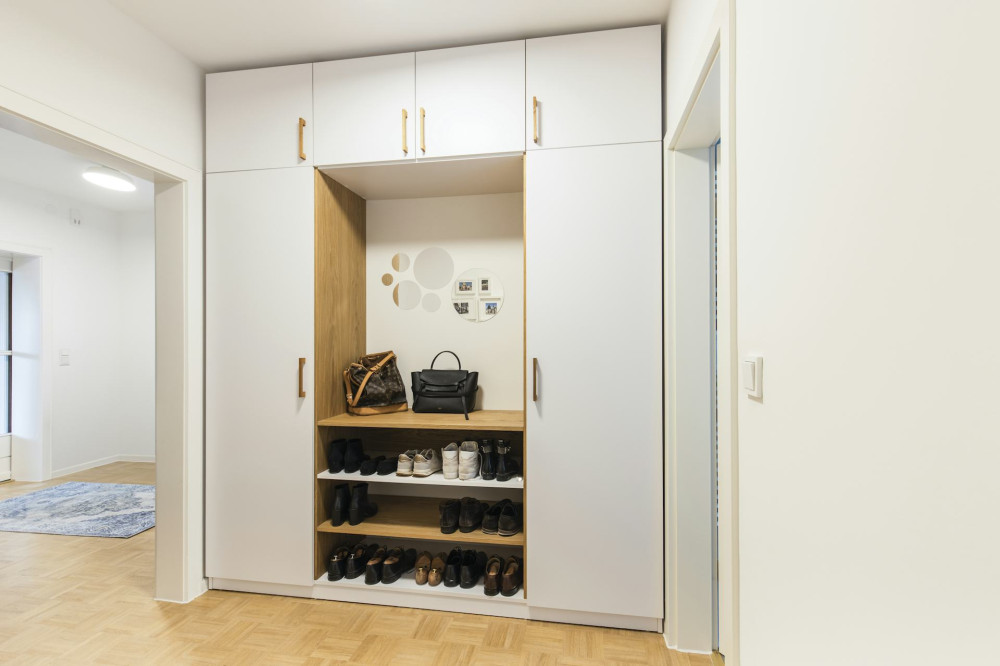
Organize Your Closet by Season — and Create More Space at the Same Time

Organize Your Closet by Season — and Create More Space at the Same Time
An overflowing closet can turn getting dressed into a daily frustration. Clothes you rarely wear mix with your current favorites, and finding what you actually need becomes a challenge. By organizing your closet by season, you can create order, free up space, and even extend the life of your clothes. Here’s a practical, step-by-step guide to help you get started.
Start with a Thorough Declutter
Before you can organize, you need to see what you have. Take everything out of your closet and lay it on your bed or a large surface. It might look overwhelming, but it’s the best way to get a full overview of your wardrobe.
Sort your clothes into four categories:
- Spring/Summer
- Fall/Winter
- Year-Round
- Items to Donate or Sell
Be honest with yourself. If you haven’t worn something in over a year, it’s probably time to let it go. Donate gently used items to a local charity, sell them online, or host a clothing swap with friends. You’ll gain both space and a sense of satisfaction.
Keep the Current Season Front and Center
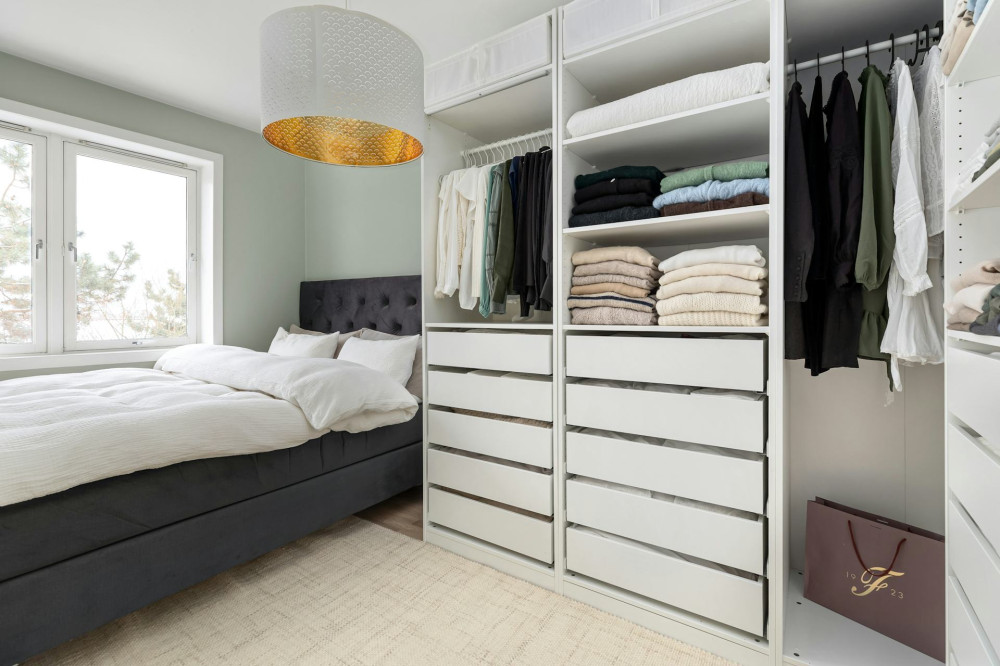
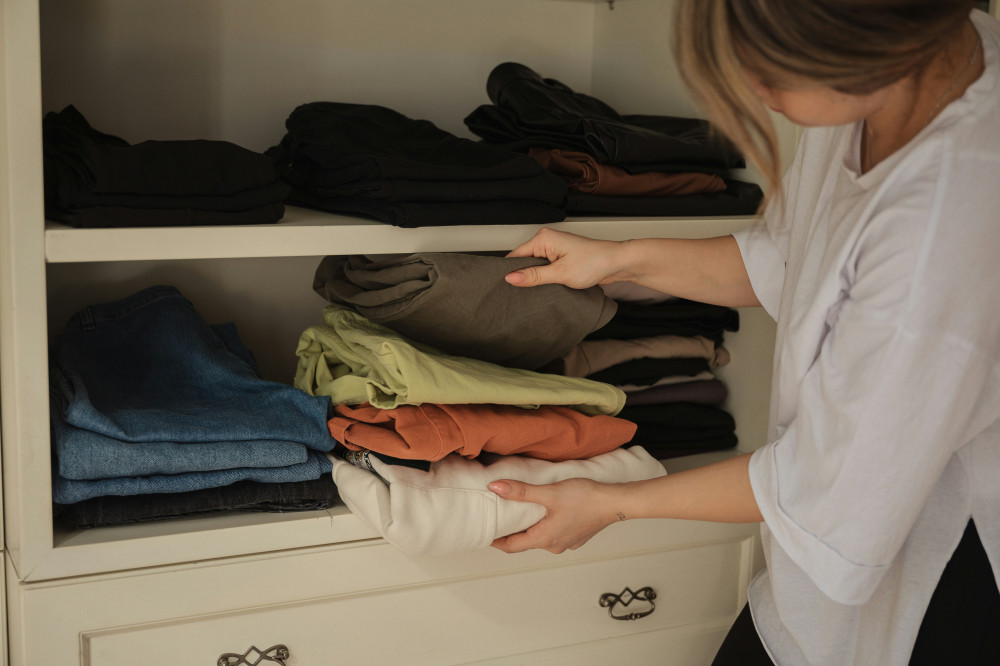
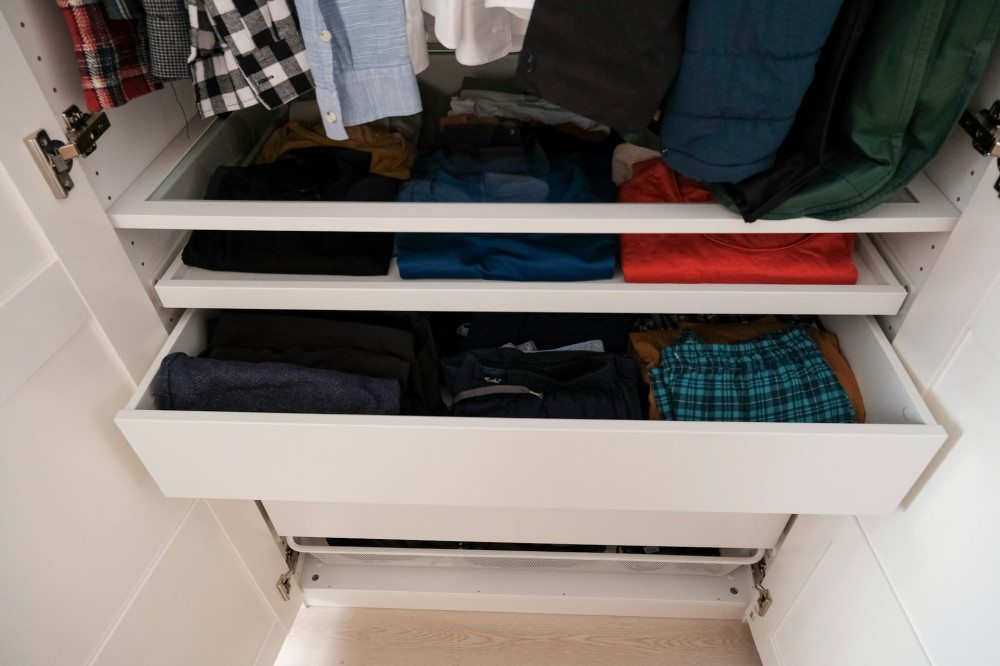
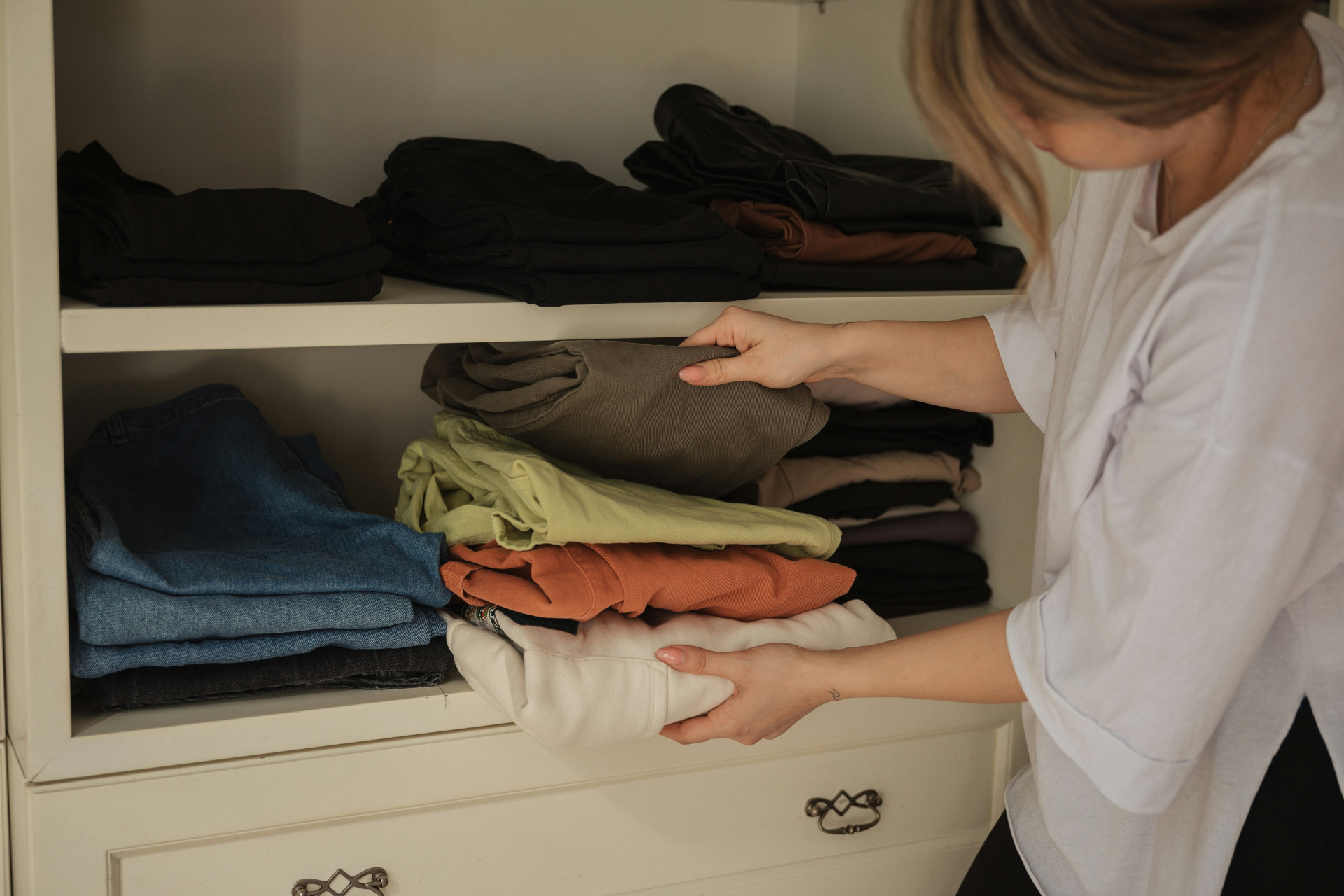
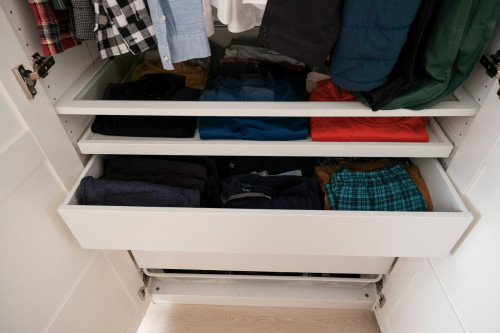
Once you’ve sorted your clothes, decide what stays in your closet and what gets stored away. The clothes you’re wearing this season should be easy to access. Hang them neatly or fold them on shelves where you can see everything at a glance.
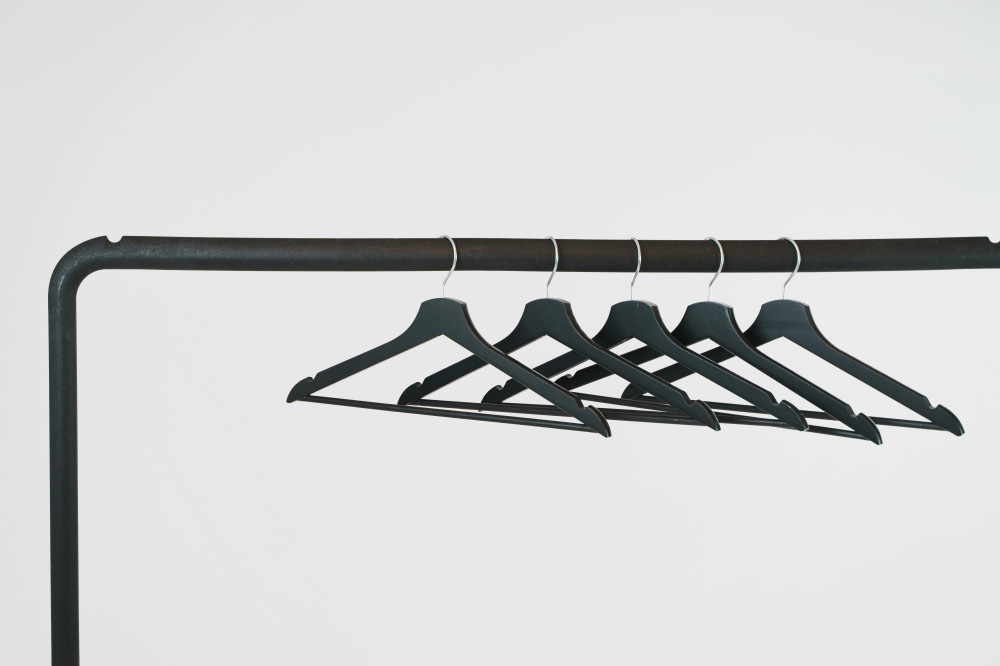
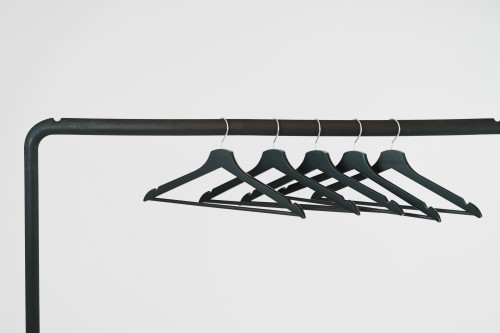
Use matching hangers for a clean, cohesive look, and group items by type — shirts, pants, dresses, sweaters, and so on. This not only looks better but also makes it easier to find what you need.
Store Off-Season Clothes the Smart Way
The clothes you won’t wear for a few months can be packed away, but do it properly to keep them in good condition. Here are some helpful tips:
- Wash before storing. Dirt and sweat can attract moths or cause odors over time.
- Use airtight containers or vacuum bags. Vacuum-sealed bags save space, while breathable fabric bins are great for natural ventilation.
- Add cedar blocks or lavender sachets. They help repel insects and keep your clothes smelling fresh.
- Store in a cool, dry place. Avoid damp basements or hot attics — under the bed or in a closet is often ideal.
Label each bin with its contents and season so you can easily find what you need when the weather changes.
Tame Accessories and Shoes
Shoes, bags, scarves, and belts can quickly create clutter if they don’t have designated spots. Use clear boxes, shoe racks, or small baskets to keep everything organized. Hang handbags on hooks or store seasonal accessories in drawers.
Rotate your shoes and accessories just like your clothes. There’s no need for winter boots to take up space in July, and sandals can be tucked away once the temperature drops.
Make Seasonal Swaps a Routine
The first time you reorganize might take a while, but once you’ve set up a system, it’s easy to maintain. Schedule two closet switch-outs each year — for example, in April and October. It only takes a couple of hours, and it’s a great opportunity to tidy up and reassess what you actually wear.
Regularly rotating your wardrobe can also help you refine your personal style. You’ll notice which colors and fits you love most and avoid impulse buys that end up collecting dust.
Læs også:

Enjoy the Benefits of a Streamlined Closet
When you organize your closet by season, you don’t just gain space — you gain peace of mind. Getting dressed becomes quicker and more enjoyable, and your clothes stay in better shape because they’re stored properly and not crammed together.
A well-organized closet isn’t about owning less; it’s about using what you have more effectively. It’s a small investment of time that pays off every single day.
Læs også: