A Balanced Kids’ Room: When Colors and Light Work Together

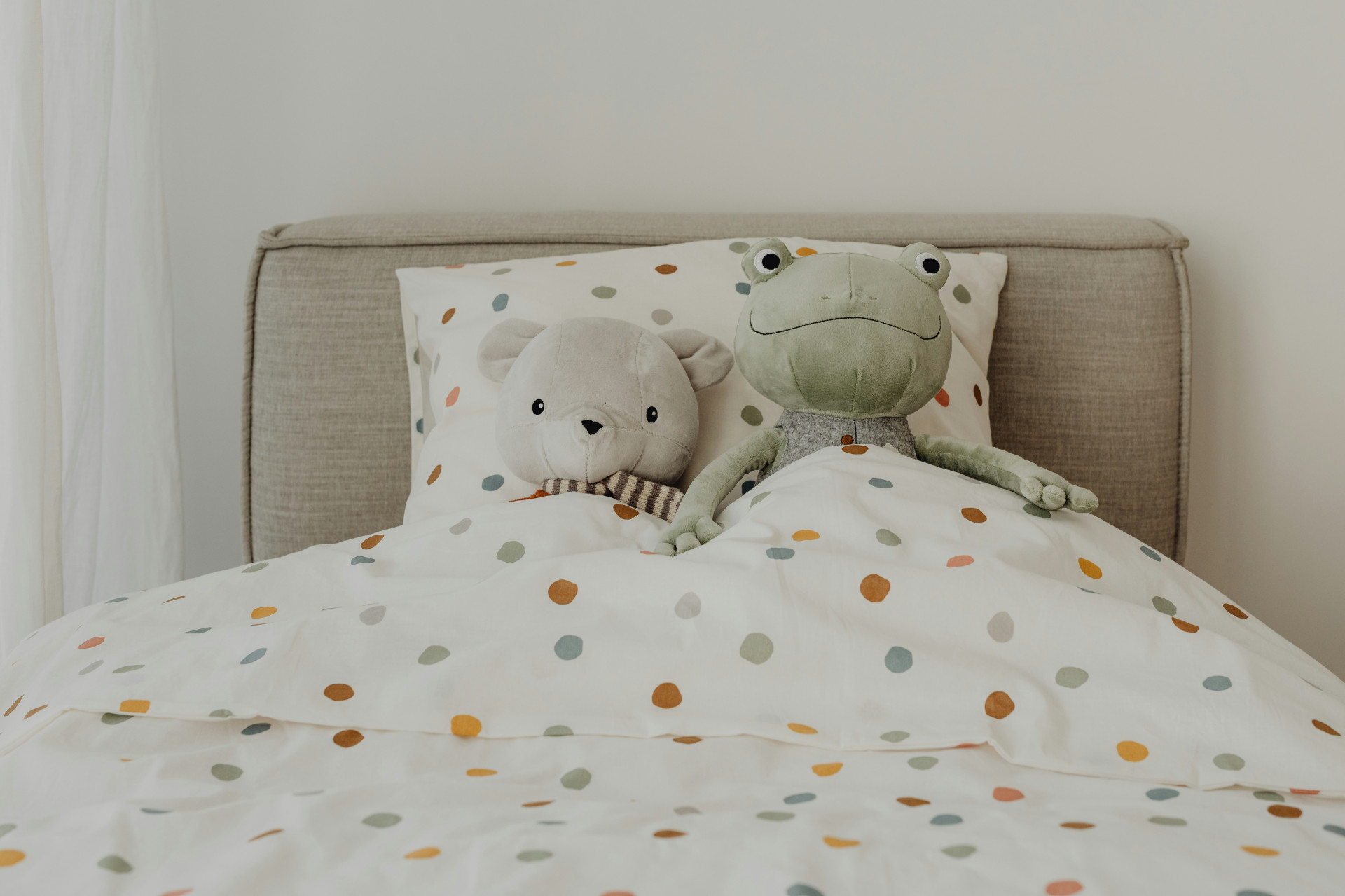
A Balanced Kids’ Room: When Colors and Light Work Together
A child’s room is more than a place to sleep or store toys – it’s their first little world. It’s where imagination, comfort, and curiosity take shape, and the atmosphere of the room can have a real impact on how a child feels and functions. Colors and light are key players in creating that balance. They influence mood, energy, and focus, and when used thoughtfully, they can turn a simple room into a space that feels safe, inspiring, and harmonious.
The Psychology of Color – More Than Just Taste
Colors speak to the senses, and children often respond to them more strongly than adults do. That’s why it’s worth considering which shades dominate the walls, furniture, and fabrics.
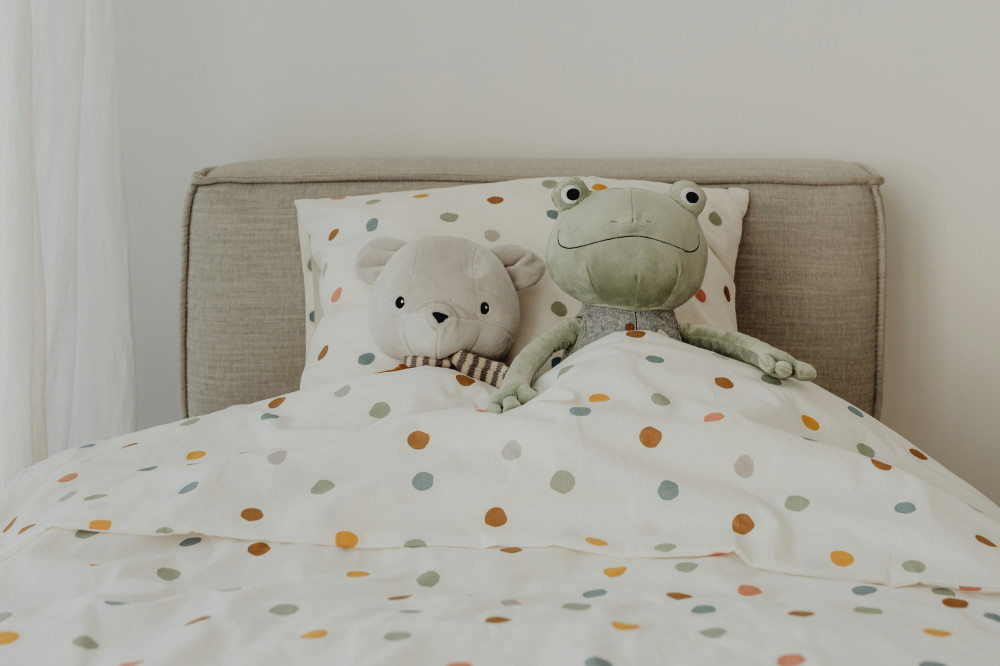
- Blues and greens bring calm and are great for kids who need a soothing environment. They echo nature and can help with winding down at bedtime.
- Yellows and oranges add energy and joy but should be used in moderation – too much can feel overstimulating.
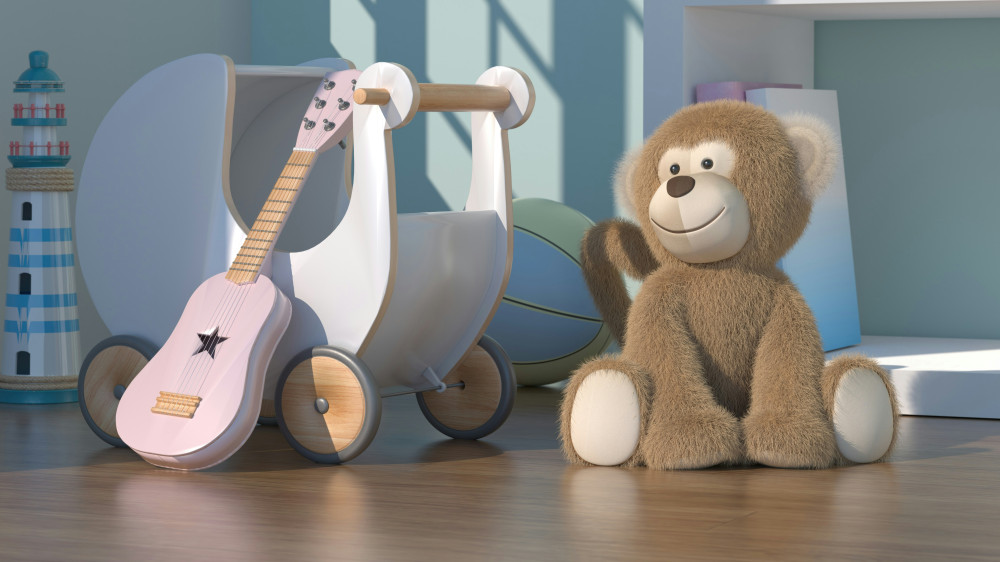
- Pinks and purples often evoke warmth and comfort, but muted or dusty tones can make them feel more timeless and less overwhelming.
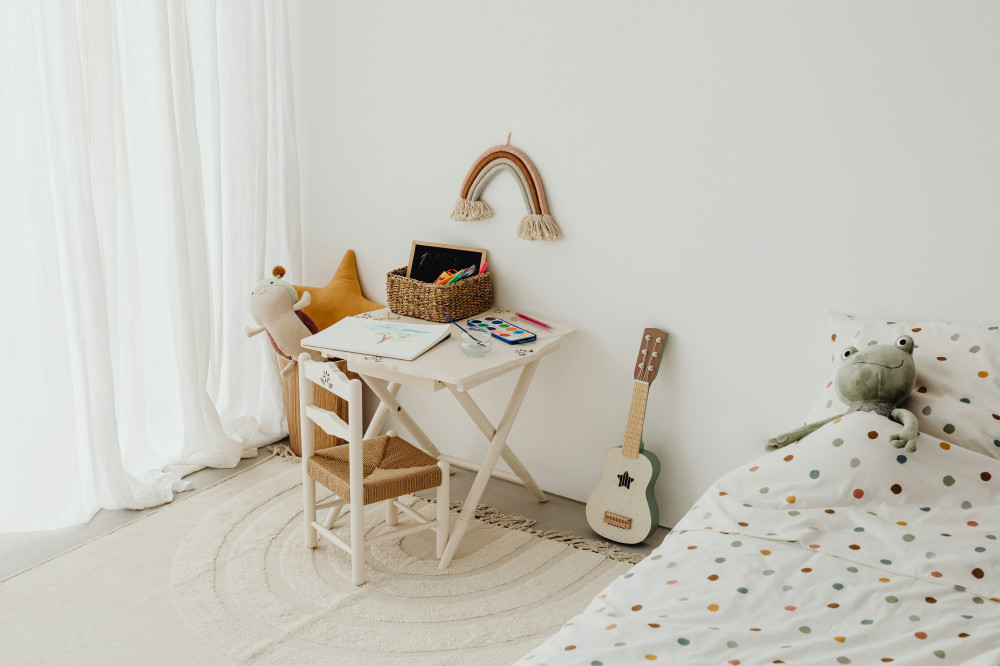
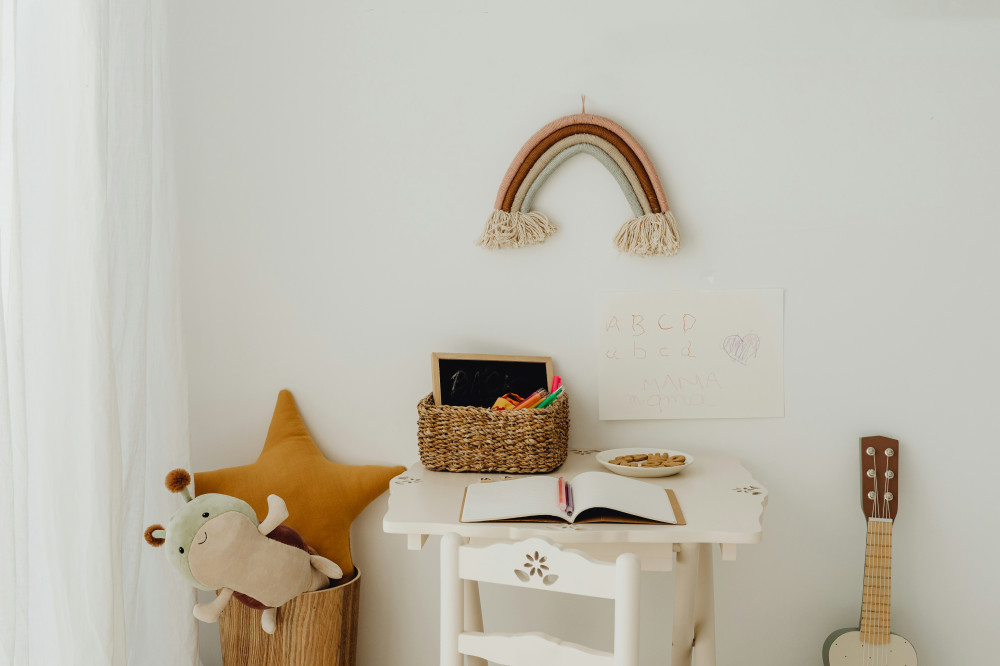
- Neutrals like beige, gray, and white create a peaceful base where toys and artwork can stand out without making the room feel cluttered.
A good rule of thumb is to choose one main color and add a few contrasting accents through pillows, art, or rugs. This keeps the space lively but balanced.
Light as a Mood Setter
Light is just as important as color when it comes to creating balance. A child’s room needs to support play, focus, and rest – and that calls for flexible lighting.
- Natural light is the best foundation. Keep windows clear of heavy drapes and use light, airy curtains that let sunlight filter in softly.
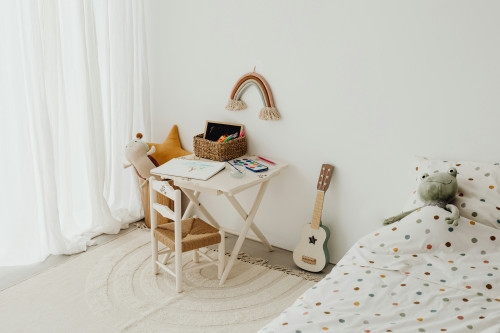
- Task lighting at a desk or art table helps kids concentrate and supports reading or creative projects.
- Soft evening light – such as a small lamp with a warm glow – signals calm and helps the body prepare for sleep.
- Decorative lighting like string lights or gentle projection lamps can add a touch of magic and comfort, especially for younger children.
By layering different light sources, you can easily shift the mood of the room depending on the time of day or activity.
Create Zones – and a Sense of Harmony
A kids’ room works best when it’s divided into small zones: one for play, one for focus, and one for rest. Colors and lighting can help define these areas. A softly colored wall behind the bed can create a restful nook, while a brighter corner with good lighting invites creativity and play.
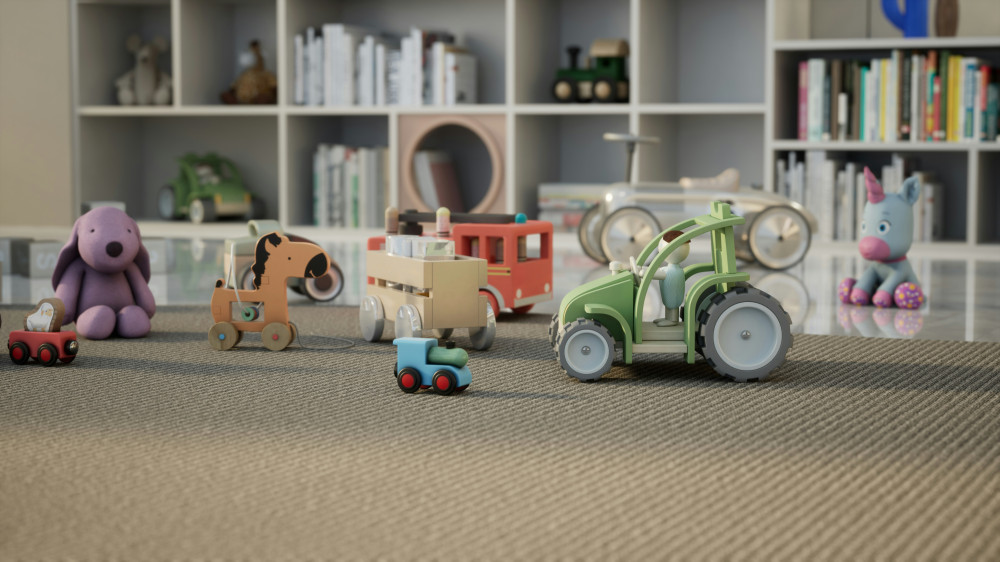
Storage also plays a big role in maintaining balance. Visible clutter can quickly disrupt the calm. Baskets, bins, and shelves in neutral tones help keep things organized and give children a sense of order and independence.
Center the Child’s Personality
While color and light can be planned according to general principles, the most important thing is that the room reflects the child. Some kids thrive in calm surroundings, while others come alive in vibrant ones. Involve your child in choosing colors and lamps – it gives them ownership and makes the space feel truly theirs.
A balanced kids’ room isn’t about perfection; it’s about creating a place where a child feels at home, safe, and inspired to explore.
Læs også:


A Living Space That Grows With the Child
Children’s needs change as they grow. A flexible approach to color and lighting makes it easy to adapt the room over time. Swap out textiles, posters, and lamps as interests evolve – that way, the balance remains without major renovations.
When colors and light work together, a child’s room becomes more than just a space – it becomes a living environment for play, learning, and peace.
Læs også: