Colors and Shapes That Promote Emotional Balance

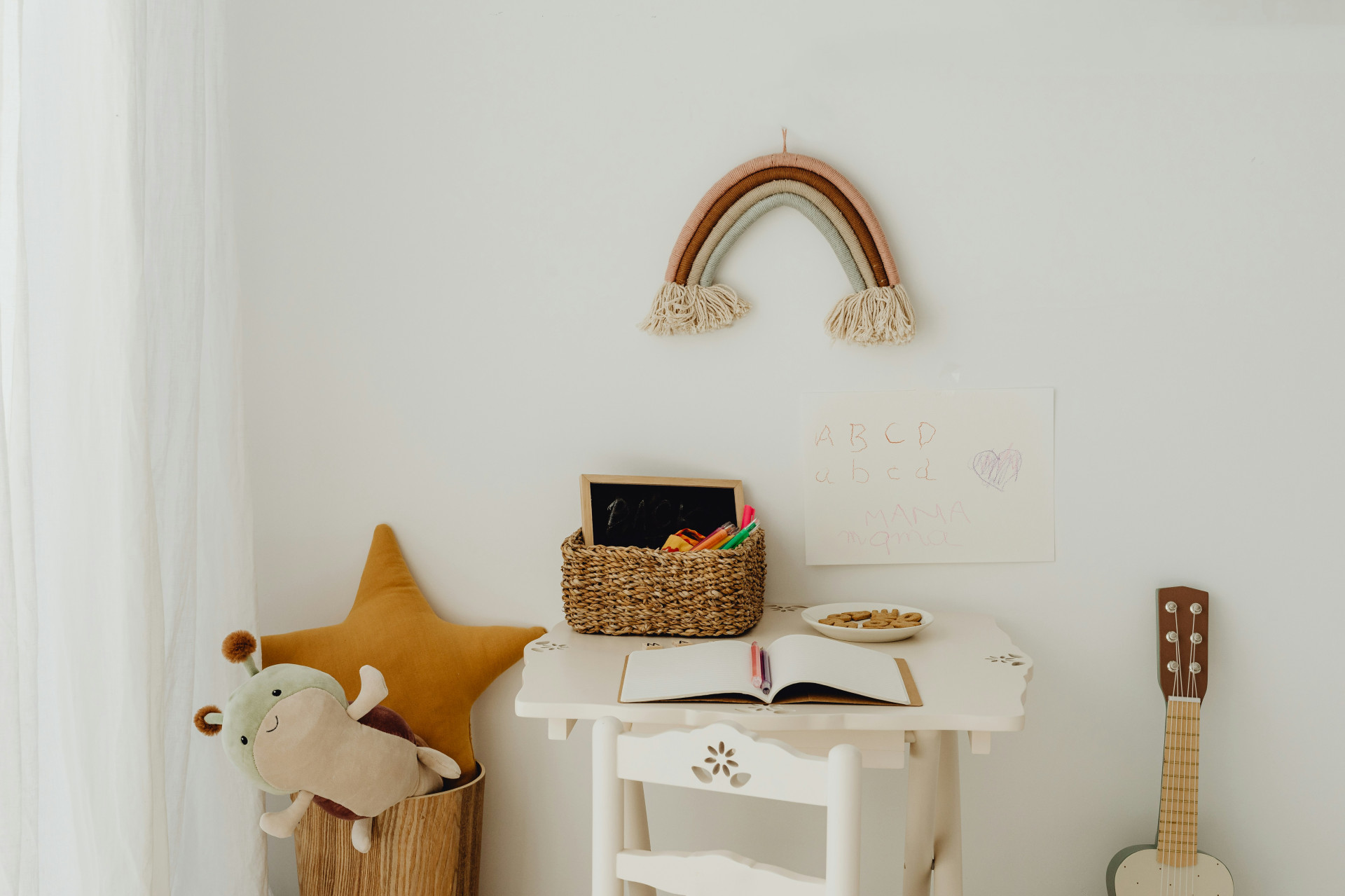
Colors and Shapes That Promote Emotional Balance
Colors and shapes influence us far more than we often realize. They can calm, energize, or unsettle us—depending on how they’re used. In a time when many Americans are seeking greater balance and well-being, mindful use of color and form in our homes can be a simple yet powerful way to support emotional harmony. Here’s how you can use colors and shapes to create spaces that nurture both your surroundings and your state of mind.
The Psychology of Color – More Than Just Aesthetic
Colors affect our mood, focus, and energy. It’s no coincidence that we associate blue with calm, green with renewal, and red with vitality. Colors communicate directly with our senses and can set the emotional tone of a space.
- Blue: Evokes calm, trust, and stability. Ideal for bedrooms or areas meant for relaxation.
- Green: Symbolizes balance and growth. Reminds us of nature and helps reduce stress.
- Yellow: Brings warmth and optimism, but should be used sparingly—too much can feel overwhelming.
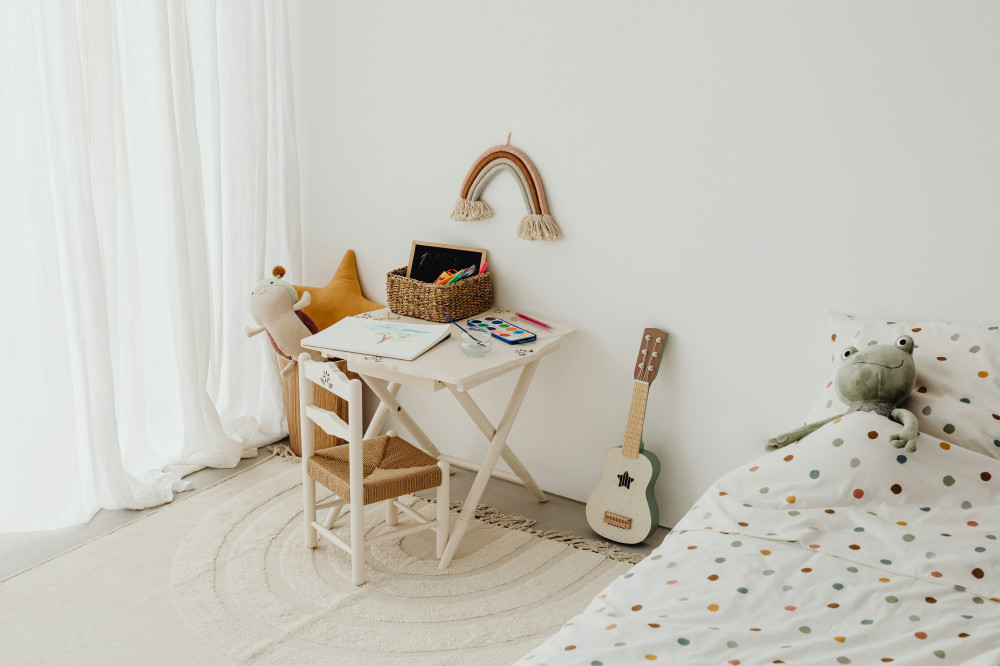
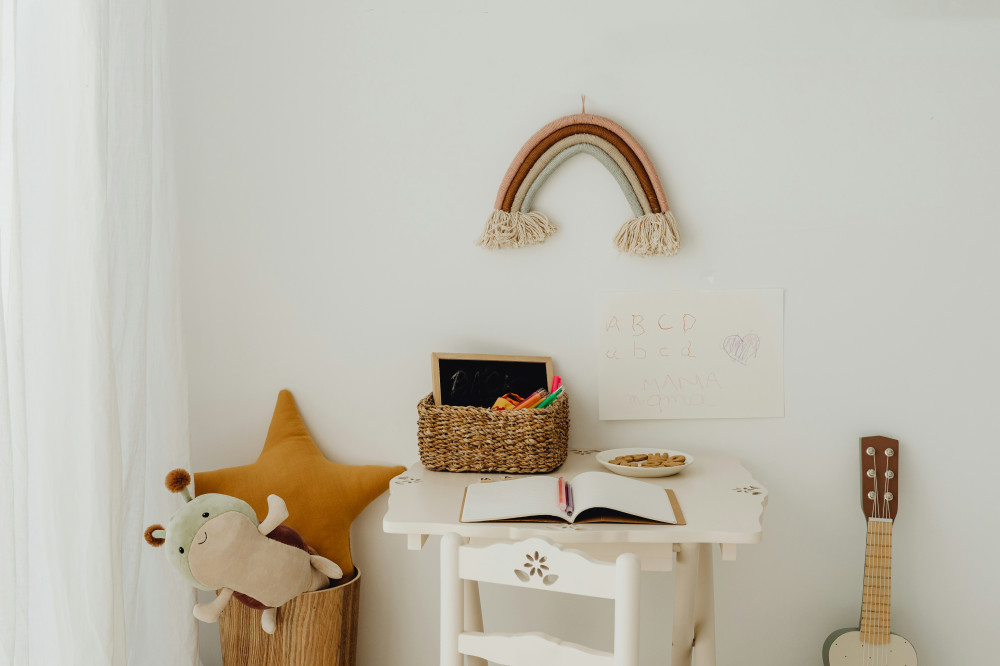
- Soft pinks and pastels: Create a sense of gentleness and comfort, perfect for cozy or nurturing spaces.
- Neutrals: Shades like beige, gray, and taupe provide a soothing backdrop and allow accent colors to shine.
When choosing colors, think beyond what looks good—consider how you want to feel in the space. A good rule of thumb is to let calming tones dominate and use brighter hues as accents.
Læs også:


Shapes That Create Harmony
Just like colors, shapes influence how we experience a space. Our brains respond differently to curves and angles. Rounded shapes tend to feel friendly and safe, while sharp edges can feel more dynamic—or even stressful if overused.
- Organic shapes—inspired by nature, such as waves, leaves, and circles—bring a sense of flow and relaxation.
- Geometric shapes—like squares and triangles—add structure and focus but should be balanced with softer elements.
- Symmetry provides a sense of order, while asymmetry can add energy and movement when used intentionally.
In interior design, mixing shapes can create balance. A room full of straight lines can be softened with curved furniture, round mirrors, or textiles featuring natural patterns.
The Interaction Between Color and Form
The most powerful effect comes when colors and shapes work together. A space with soft curves and muted tones feels soothing, while bold colors and angular lines can energize and sharpen focus. Think about the mood you want to cultivate in each room:
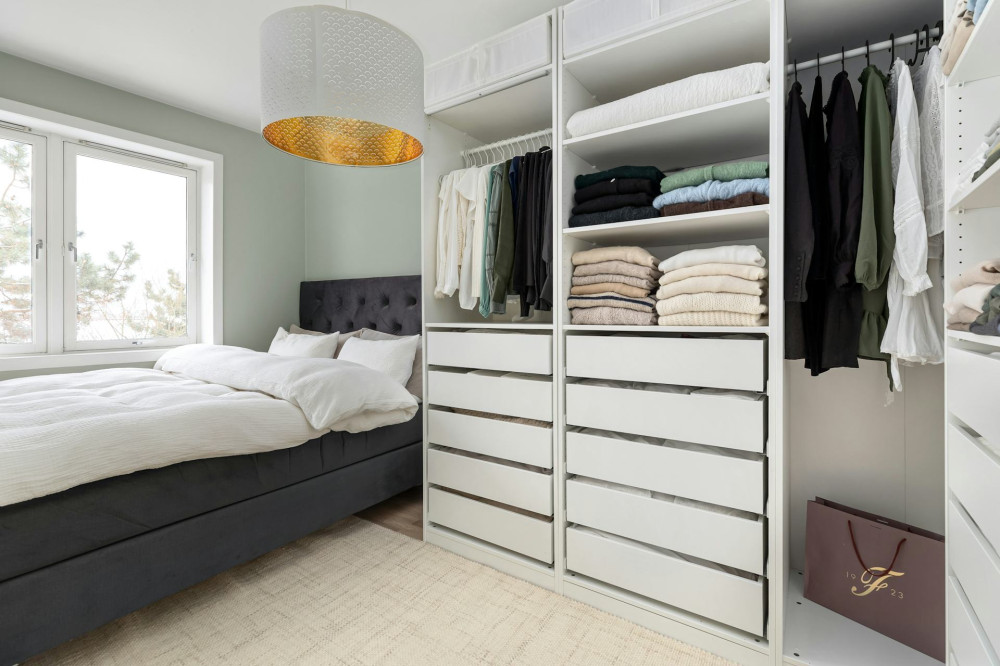
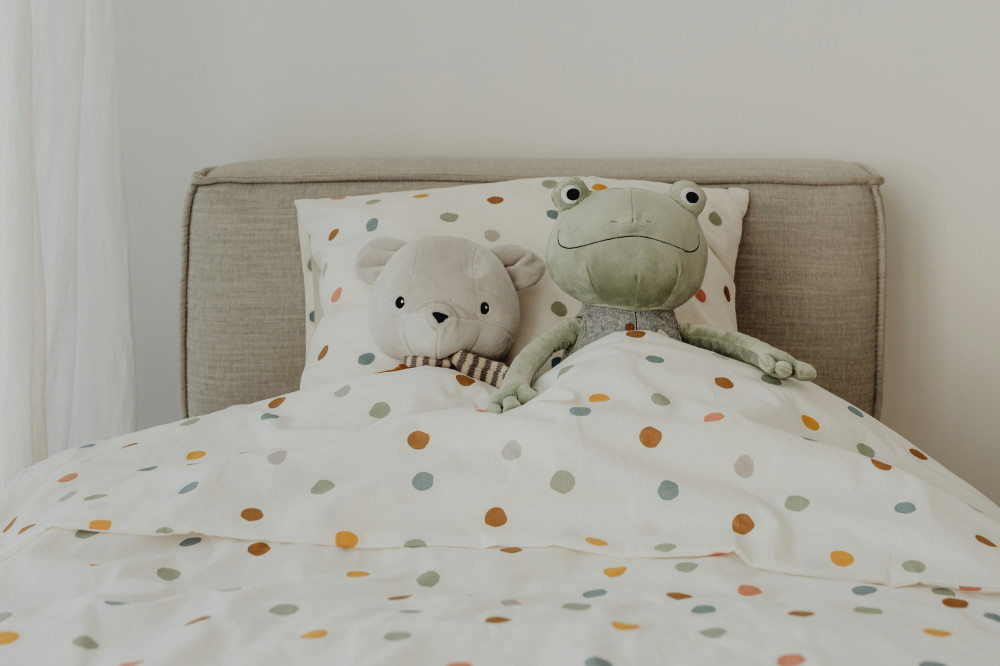
- Bedroom: Muted blues and greens, rounded shapes, and soft fabrics for rest and serenity.
- Living room: Warm earth tones paired with natural materials and organic patterns for comfort and connection.
- Home office: Pops of yellow or turquoise for creativity and focus, balanced with clean, geometric lines.
It’s not about following strict design rules—it’s about creating an environment that supports your emotional needs.
Nature as Inspiration
Nature offers the perfect model of balance. In the natural world, colors and shapes coexist in effortless harmony—from the greens of leaves to the smoothness of river stones and the shifting hues of the sky. Bringing natural elements into your home—plants, wood, stone, and natural fabrics—can foster a sense of calm and renewal.
Even small touches, like a vase of fresh flowers, a landscape print, or a leafy plant, can have a noticeable impact on the atmosphere of a room.
Creating Your Own Emotional Sanctuary
Designing for emotional balance isn’t about trends—it’s about awareness. Ask yourself how you want to feel in your home, and let colors and shapes support that intention. Maybe you need more calm, or perhaps a boost of energy. By adjusting your surroundings, you can influence your mood in a simple, natural way.
A home that feels right is one where you can breathe easily, find peace, and recharge. That’s when colors and shapes become more than design—they become well-being.
Læs også: