Furniture That Grows With Your Child – and Fits Right In With the Rest of Your Home

Furniture That Grows With Your Child – and Fits Right In With the Rest of Your Home
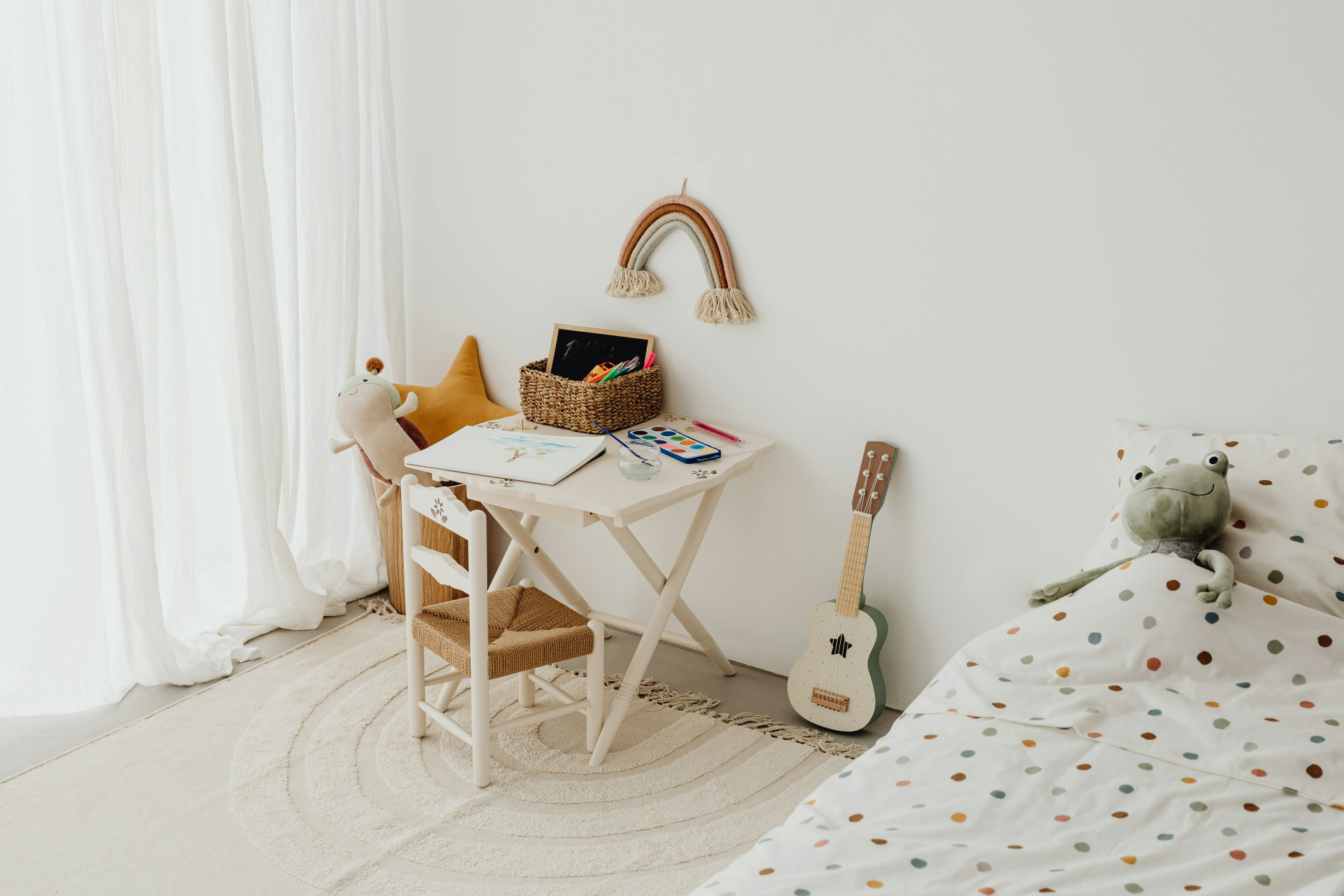
When setting up a child’s room, it’s easy to be drawn to cute, colorful furniture that perfectly suits your little one’s current age. But kids grow fast, and what works for a toddler can feel too small or too childish just a few years later. That’s why more parents today are choosing furniture that grows with their child – both in function and in style. It’s not just about practicality, but about creating a home where the kids’ room feels like a natural extension of the rest of the house.
From Baby to Big Kid – Without Replacing Everything
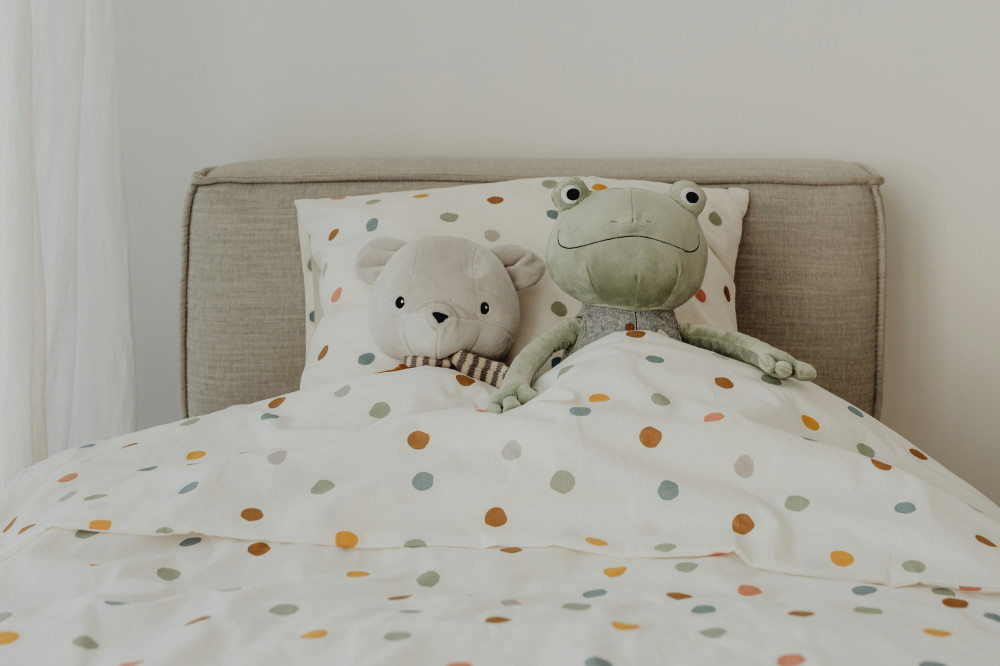
One of the best places to start thinking long-term is the bed. Many modern children’s beds are designed to extend as your child grows, so you don’t have to buy a new one every couple of years. Some models even convert from a crib to a toddler bed and later to a standard twin.
The same idea applies to the changing station. Instead of a traditional changing table that quickly becomes obsolete, consider a dresser with a removable changing top. Once the diaper stage is over, you’re left with a functional and attractive piece of furniture that can stay in the room for years.
Smart, Multifunctional Solutions for More Space
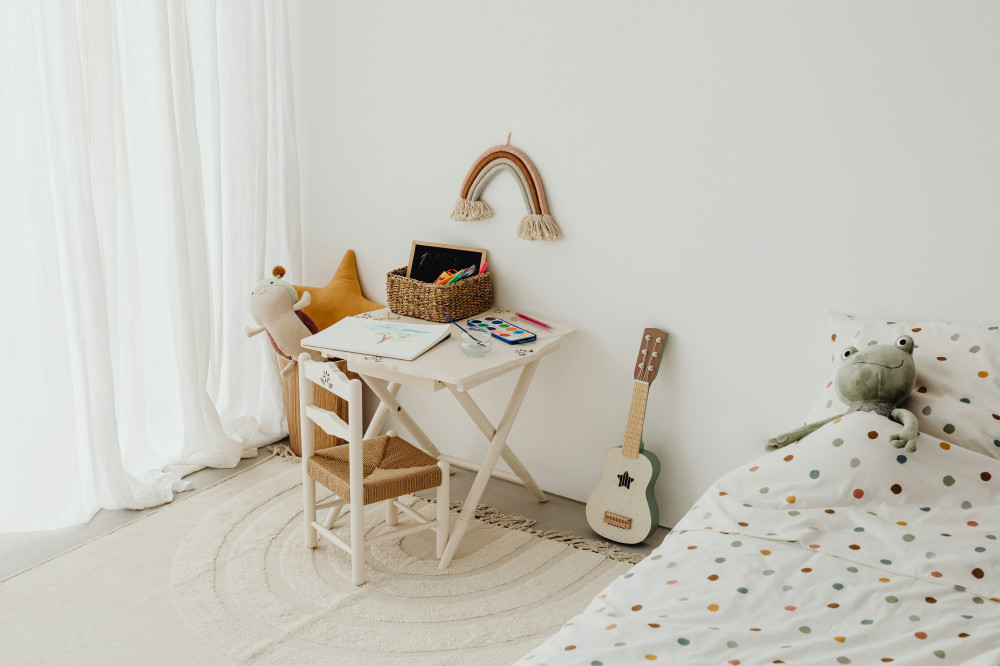
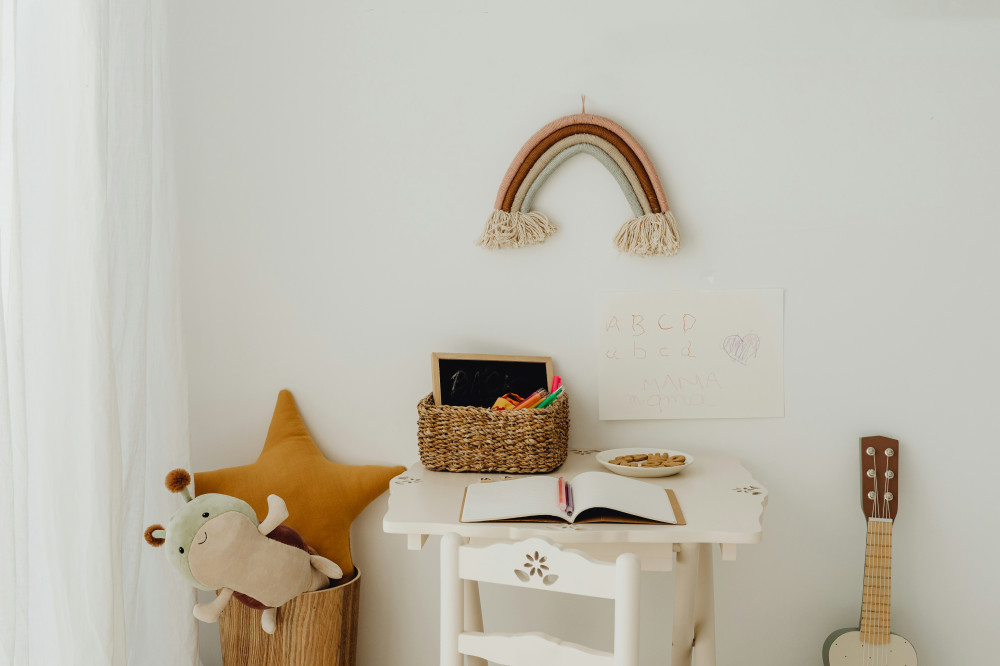
Children’s rooms are often among the smallest in the house, so it pays to choose furniture that can do more than one job. A bed with built-in drawers provides extra storage, while a height-adjustable desk can grow with your child—from early art projects to homework sessions in middle school.
Modular systems are another great option. You can add or remove elements as needed—like a shelving unit that can be expanded upward or a table that can be extended. This flexibility allows the room to evolve with your child’s interests and needs without starting from scratch every time.
Colors and Materials That Stand the Test of Time
When you’re investing in furniture meant to last for years, it’s smart to think in terms of timeless colors and durable materials. Neutral tones like white, gray, natural wood, and soft pastels work well for both young children and older kids—and they can easily be refreshed with bedding, wall art, and toys that reflect your child’s personality.
Solid wood, high-quality MDF, and durable finishes help furniture withstand daily wear and tear while still looking good. It’s also a plus if the pieces can be repainted or refinished later, giving them new life as your child’s style changes.
A Kids’ Room That Fits Seamlessly Into Your Home
Many parents today prefer that the kids’ room doesn’t feel like a completely separate world, but rather an integrated part of the home’s overall design. That means choosing furniture that complements the rest of your décor—perhaps in the same wood tone or color palette as your living room or bedroom.
By taking a cohesive approach, you can create a calm, harmonious atmosphere where the kids’ room still feels playful but not overwhelming. It also makes it easier to repurpose furniture elsewhere in the home once your child outgrows it.
Sustainability and Savings Go Hand in Hand
Furniture that grows with your child isn’t just practical—it’s also a sustainable choice. By investing in quality and flexibility, you avoid the constant cycle of replacing furniture, saving both resources and money in the long run.
Many brands now offer pieces made from FSC-certified wood, water-based paints, and recyclable materials. That’s a big plus for parents who want to make environmentally conscious choices while creating a healthy indoor space for their children.
Læs også:


Create a Room That Grows With Life
A child’s room needs to adapt to many stages—from play and imagination to focus and independence. By choosing furniture that can evolve, you give your child the freedom to grow at their own pace without the space feeling outdated.
Ultimately, it’s about creating a room that feels safe, functional, and beautiful—for your child and for the whole family. When the furniture can grow along with your child, the room becomes more than just a temporary space—it becomes part of your home’s story.
Læs også: