Building Materials in Development – Technology Drives the Improvements


Building Materials in Development – Technology Drives the Improvements
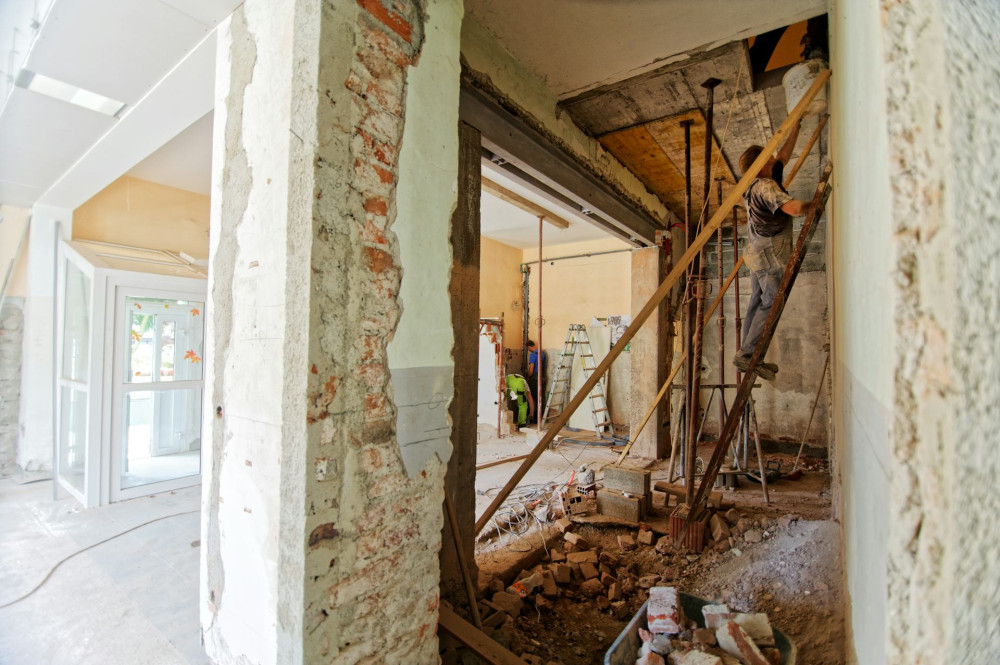
The construction industry has always evolved, but in recent years, progress has accelerated like never before. New materials, digital tools, and sustainable solutions are transforming how we build—from the foundation to the roof. Technology is driving these improvements, resulting in structures that are stronger, more energy-efficient, and far more environmentally responsible than ever before.
From Traditional Materials to Smart Solutions
Wood, brick, and concrete have been the backbone of construction for centuries. They remain essential, but today they are being enhanced with new technologies that improve their performance and sustainability.
- Wood is now engineered and treated to increase strength and resistance to moisture and fire. Cross-laminated timber (CLT) and glulam are gaining popularity in the U.S. as renewable alternatives to steel and concrete, even in large-scale commercial buildings.
- Concrete is being reinvented with additives that reduce CO₂ emissions and extend durability. Researchers are developing “self-healing” concrete that can repair small cracks through chemical reactions or bacteria, potentially extending the lifespan of infrastructure.
- Brick production is becoming greener, with recycled materials and lower-temperature firing processes that reduce energy use and carbon output.
These innovations breathe new life into traditional materials, making them fit for a modern, sustainable construction landscape.
Digitalization and Precision in Construction
Technology is not only changing materials but also how they are used. Digital tools such as 3D modeling and Building Information Modeling (BIM) allow architects, engineers, and contractors to plan and visualize entire projects in detail before construction begins.
This digital precision reduces errors, minimizes waste, and improves coordination across teams. Prefabrication and modular construction—where components are manufactured in controlled environments and assembled on-site—are becoming increasingly common in the U.S. These methods save time, cut costs, and reduce environmental impact.
Sustainability as a Driving Force
Climate change and resource scarcity have made sustainability a central focus in American construction. New materials are being developed with an emphasis on recyclability, low energy consumption, and long service life.
For example, insulation made from natural fibers such as hemp, wool, or recycled denim offers excellent thermal performance while being biodegradable or recyclable. Reclaimed wood and recycled steel are also gaining traction as eco-friendly alternatives to newly produced materials.
The concept of circular construction—designing buildings so that materials can be disassembled and reused in future projects—is gaining attention. This approach requires rethinking design and supply chains but promises a more responsible and economically sustainable building practice.
Smart Materials and the Future of Building
Research into “smart materials” points toward a future where buildings can actively respond to their environment. Windows that automatically adjust transparency to control light and heat, or facades that change color to regulate temperature, are moving from concept to reality.
3D-printed buildings are another emerging frontier. Using specialized concrete or composite materials, entire walls and structures can be printed directly on-site, reducing both construction time and material waste.
At the same time, sensors and Internet of Things (IoT) technology are being integrated into buildings to monitor energy use, humidity, and temperature in real time—allowing systems to self-adjust for optimal performance and comfort.
Craftsmanship and Technology in Harmony
While technology plays an ever-larger role, craftsmanship remains at the heart of construction. Today’s builders, carpenters, and masons work with digital tools and advanced materials, but it is still their skill and precision that ensure quality results.
Technology should not replace craftsmanship—it should enhance it. When digital innovation and traditional expertise work together, the outcome is buildings that are not only functional and efficient but also beautiful and enduring.
Læs også:



An Industry in Constant Transformation
The evolution of building materials shows how innovation and tradition can coexist. From sustainable solutions to intelligent systems, the future of construction is about building better—not just faster.
Technology drives the improvements, but it is human creativity and craftsmanship that make them possible. The construction industry stands at the crossroads of a revolution—where materials, methods, and mindsets are changing—and the result is a built environment that respects both the planet and the people who inhabit it.
Læs også: