Hardwood or Softwood – Understand the Difference Before You Choose

Hardwood or Softwood – Understand the Difference Before You Choose
When you’re planning a home improvement or woodworking project, choosing the right type of wood is one of the most important decisions you’ll make. Many people assume that “hardwood” and “softwood” refer to how hard or soft the wood feels, but the real difference lies in the type of tree it comes from. Understanding this distinction can save you time, money, and frustration—and help ensure your project lasts for years to come.
What Do Hardwood and Softwood Really Mean?
The difference between hardwood and softwood isn’t just about strength—it’s about the tree’s botanical origin.
- Hardwood comes from deciduous trees—those that lose their leaves in the fall—such as oak, maple, cherry, and walnut.
- Softwood comes from coniferous trees, which usually keep their needles year-round, such as pine, spruce, fir, and cedar.
Despite the names, hardness isn’t always the deciding factor. For example, balsa is technically a hardwood, yet it’s one of the softest woods you can find.
Characteristics and Common Uses
Hardwood – Strength, Durability, and Beauty
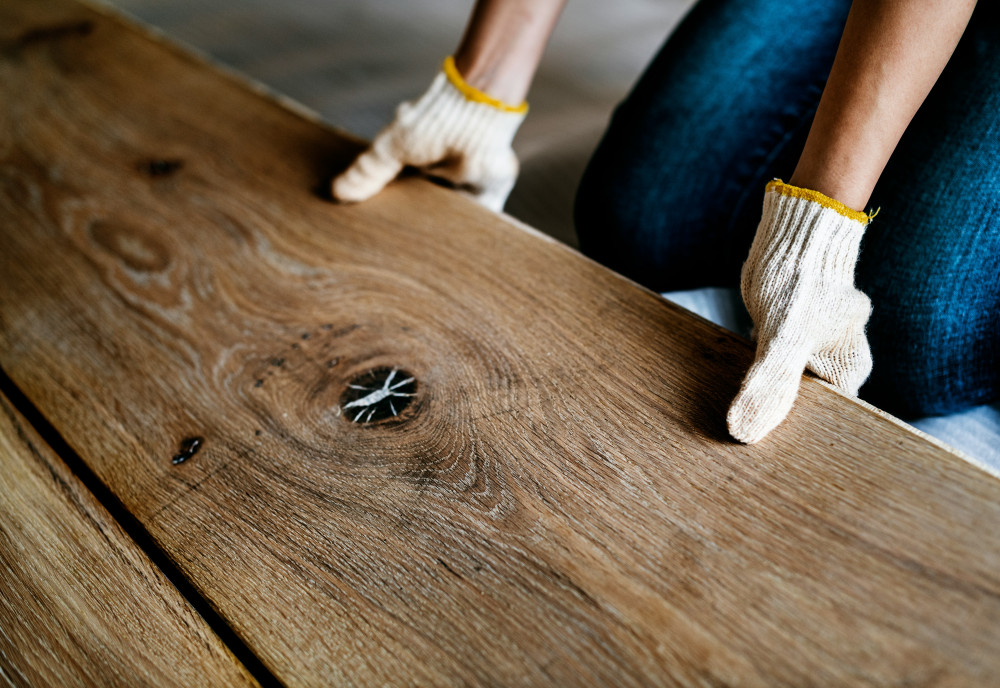
Hardwoods are generally denser and more durable, making them ideal for projects that need to withstand wear and tear.
Advantages:
- Highly durable and resistant to dents and scratches
- Attractive grain patterns and rich color variations
- Often more resistant to moisture and pests
Typical Uses:
- Flooring and staircases
- Furniture and cabinetry
- Decking and outdoor furniture (e.g., teak or ipe)
The downside is that hardwoods are usually more expensive and harder to work with. They require sharp tools and patience, but the results are long-lasting and visually stunning.
Softwood – Easy to Work With and Budget-Friendly
Softwoods are lighter, more flexible, and easier to cut, nail, and screw. That makes them a favorite for construction and DIY projects.
Advantages:
- Easy to handle—great for both professionals and hobbyists
- More affordable and widely available than hardwoods
- Grows faster, making it a more sustainable option
Typical Uses:
- Framing and structural work
- Paneling, trim, and moldings
- Outdoor fencing and sheds (especially when pressure-treated)
Softwood often needs protective finishes to resist moisture and wear, particularly for outdoor use.
Which Wood Should You Choose?
Your choice depends on the project and how much maintenance you’re willing to do.
- For outdoor projects: Choose hardwoods like teak, ipe, or white oak for long-lasting durability with minimal upkeep. Pressure-treated pine is a more affordable alternative but requires regular maintenance.
- For indoor furniture: Hardwoods such as maple, cherry, or oak provide a refined look and can handle daily use.
- For framing and general construction: Softwoods like pine, fir, and spruce are lightweight, strong, and easy to work with—perfect for walls, roofs, and subfloors.
Think about both function and appearance. Hardwoods offer elegance and longevity, while softwoods are practical and cost-effective.
Læs også:



Sustainability and Environmental Considerations
No matter which type of wood you choose, it’s important to consider where it comes from. Look for certifications such as FSC (Forest Stewardship Council) or PEFC (Programme for the Endorsement of Forest Certification) to ensure the wood is sourced responsibly.
Tropical hardwoods can have a significant environmental impact if not sustainably harvested. Many American homeowners now prefer domestic options like oak, maple, or ash, which are both beautiful and more eco-friendly.
How to Maintain Your Wood
Proper care will help your wood last longer and look its best:
- Indoor wood: Clean and oil periodically to preserve its finish and protect the surface.
- Outdoor wood: Apply sealant, stain, or paint to guard against UV rays and moisture.
- Avoid moisture buildup: Ensure good ventilation and keep wood off the ground when used outdoors.
With the right maintenance, both hardwood and softwood can stay strong and attractive for decades.
Conclusion – Choose Wisely
The difference between hardwood and softwood isn’t just about hardness—it’s about the tree’s origin, properties, and best uses. Hardwoods offer strength and sophistication, while softwoods provide flexibility and ease of use.
By understanding these differences, you can choose the right material for your project—and create something that’s not only functional but also beautiful and built to last.
Læs også: