Does Your Renovation Require a Building Permit? Here’s How to Find Out

Does Your Renovation Require a Building Permit? Here’s How to Find Out
Starting a home renovation can be exciting — new spaces, fresh finishes, and the satisfaction of improving your property. But before you pick up a hammer, it’s important to know whether your project requires a building permit. Building codes and permit rules exist to ensure safety, structural integrity, and compliance with local zoning laws. Here’s a guide to help you determine if your renovation needs official approval — and how to navigate the process.
When a Building Permit Is Required
As a general rule, any work that changes the structure, use, or safety of your home will likely require a permit. This includes:
- Additions or major remodels that expand your home’s footprint or height.
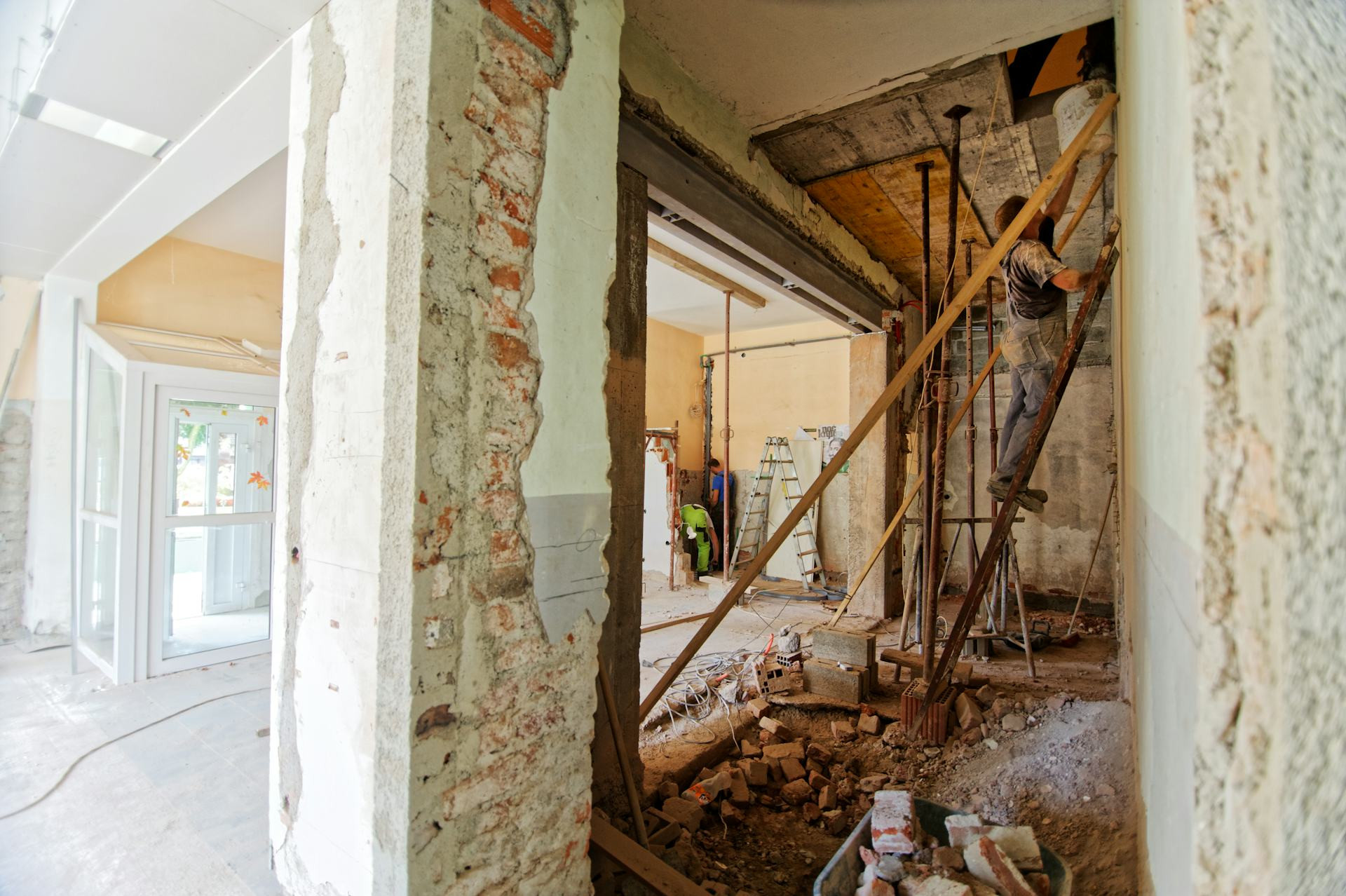
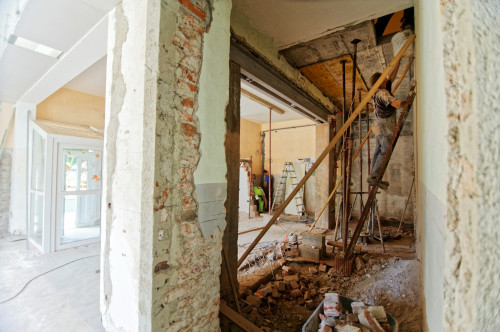
- Structural changes, such as removing or altering load-bearing walls, beams, or foundations.
- Conversions of space, like turning a garage, basement, or attic into living space.
- New decks, porches, or accessory structures, depending on size and height.
- Electrical, plumbing, or HVAC work that involves new installations or system modifications.
Cosmetic updates — painting, replacing flooring, or installing cabinets — typically don’t require a permit. However, if your project involves moving walls, changing plumbing lines, or modifying electrical circuits, you’ll likely need one. When in doubt, check with your local building department before starting.
Projects That Usually Don’t Require a Permit
Many smaller home improvements can be done without a permit, as long as they don’t affect structural or safety systems. Examples include:
- Replacing windows or doors of the same size and type.
- Installing new roofing or siding, provided you’re not altering the structure.
- Updating kitchens or bathrooms without moving plumbing or electrical lines.
- Interior finishes, such as painting, tiling, or refinishing floors.
- Landscaping and fencing, within local height and setback limits.
Even if a permit isn’t required, the work must still comply with building codes. Homeowners are responsible for ensuring that all renovations meet safety and quality standards.
How to Apply for a Building Permit
If your project does require a permit, the process usually starts with your local building or planning department. Most cities and counties now offer online applications. You’ll typically need to submit:
- Site plans showing your property and proposed changes.
- Construction drawings or blueprints detailing the work.
- Material and structural descriptions, including load calculations if applicable.
- Contractor information, if you’re not doing the work yourself.
Once submitted, your application will be reviewed for compliance with building codes and zoning regulations. Processing times vary — simple projects may be approved in a few days, while larger remodels can take several weeks.
Don’t Forget Zoning and HOA Rules
Even if your project doesn’t require a building permit, zoning laws or homeowners association (HOA) rules may still apply. These can regulate things like building height, property setbacks, exterior materials, and fence placement.
Check your city’s zoning map or contact your local planning office to confirm what’s allowed. If you live in a community with an HOA, review their design guidelines before starting work to avoid fines or required changes later.
Get Professional Help if You’re Unsure
Building codes can be complex, and it’s not always easy to tell whether a project crosses the line from “cosmetic” to “structural.” Consulting a licensed contractor, architect, or building inspector can save you time and trouble. They can help determine whether a permit is needed and assist with drawings or documentation for your application.
While professional help adds to your upfront costs, it can prevent expensive mistakes — especially if unpermitted work is discovered later.
The Risks of Skipping a Permit
Doing work without the required permit can lead to serious consequences. Your local building department may require you to apply for a permit retroactively, pay fines, or even remove the unapproved work. Unpermitted renovations can also cause problems when selling your home, as buyers and lenders often require proof that all improvements were done legally.
In short, skipping the permit process can cost far more than doing it right the first time.
Læs også:


Bottom Line: Check Before You Build
A renovation can add comfort, value, and style to your home — but only if it’s done safely and legally. Keep these guidelines in mind:
- If your project changes the structure, systems, or use of your home, you’ll likely need a permit.
- If you’re only updating finishes or fixtures, you can usually proceed without one.
- When in doubt, contact your local building department. It’s free to ask and can save you from costly headaches later.
With a little preparation and the right paperwork, you can move forward confidently — knowing your renovation is both beautiful and fully compliant.
Læs også: