Cavity Walls Explained: The Most Common Materials and Their Properties

Cavity Walls Explained: The Most Common Materials and Their Properties
Cavity walls are a key feature in many American homes and commercial buildings, especially those built in regions with variable weather conditions. They play a crucial role in improving insulation, preventing moisture penetration, and enhancing the overall durability of a structure. But what exactly is a cavity wall, and what materials are typically used to build one? This article breaks down the most common materials and their properties, helping you understand how your home’s walls work—and how to maintain them effectively.
What Is a Cavity Wall?
A cavity wall consists of two separate walls—an outer leaf and an inner leaf—separated by a gap, or cavity. This design became popular in the United States during the mid-20th century as builders sought better ways to manage heat loss and moisture.
The outer leaf serves as a protective barrier against rain, wind, and temperature fluctuations, while the inner leaf provides structural support and contributes to indoor comfort. The cavity between them may be left empty (in older buildings) or filled with insulation (in newer or retrofitted homes).
The Most Common Materials in Cavity Walls
1. Brick – The Traditional Choice
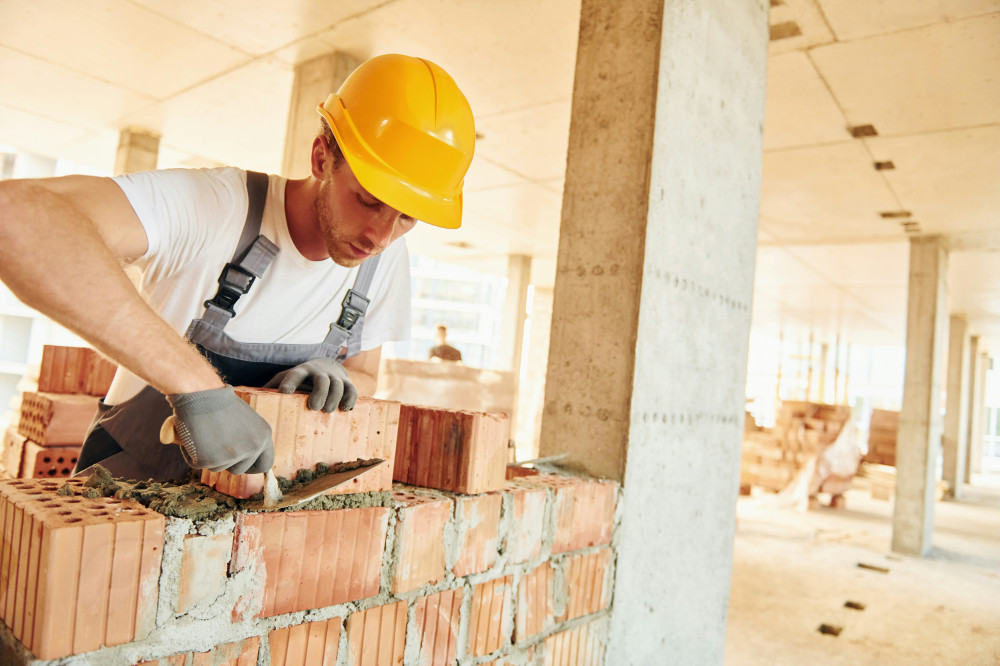
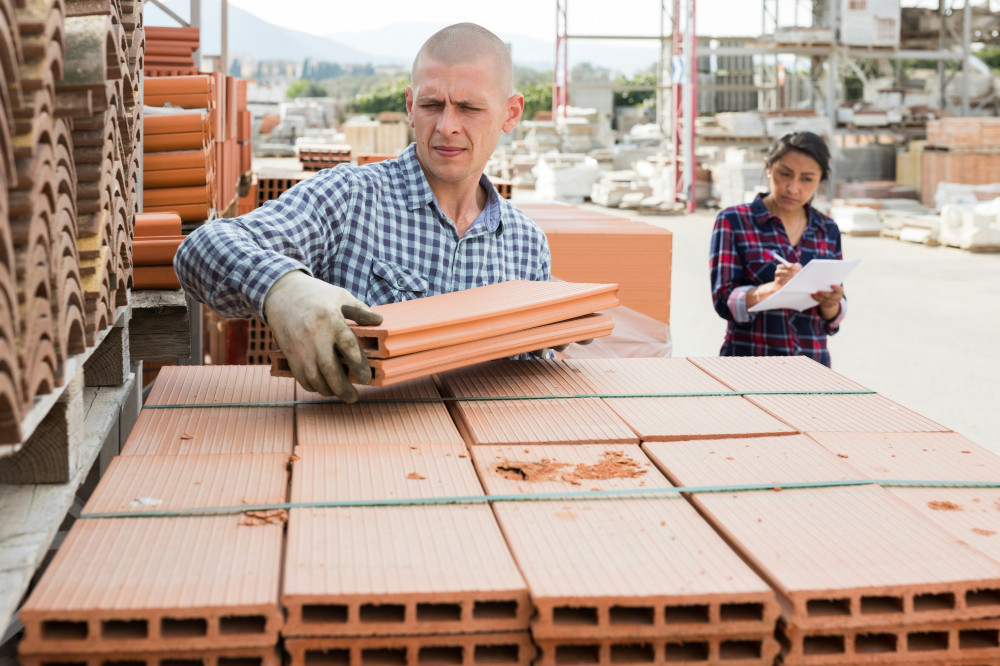
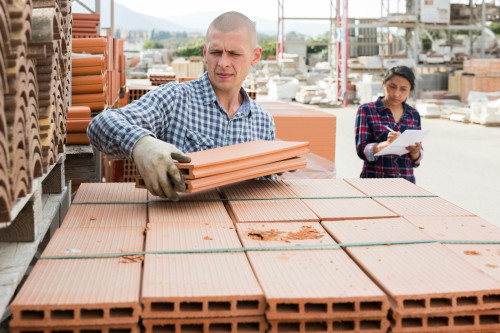
Brick remains one of the most common materials for cavity wall construction in the U.S., especially for the outer leaf. Made from fired clay, bricks are durable, weather-resistant, and visually appealing.
- Advantages: Long-lasting, low maintenance, and excellent thermal mass.
- Disadvantages: Can absorb moisture if mortar joints deteriorate.
- Maintenance Tips: Inspect mortar joints regularly and repoint when necessary to prevent water ingress.
2. Concrete Block – Strong and Versatile
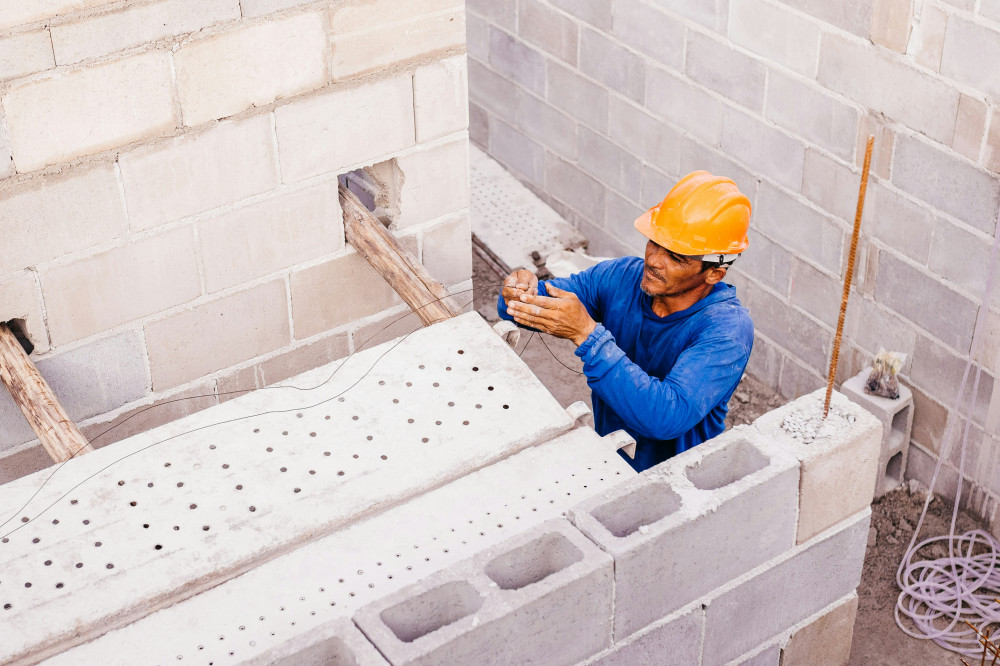
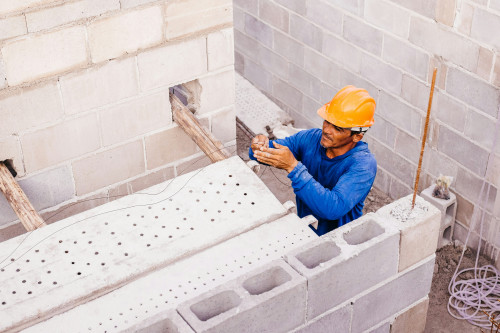
Concrete masonry units (CMUs) are often used for the inner leaf of cavity walls. They provide strength and stability while offering some insulation value.
- Advantages: High compressive strength, fire resistance, and cost-effectiveness.
- Disadvantages: Heavier than other materials and can allow thermal bridging if not properly insulated.
- Typical Use: Common in both residential basements and commercial buildings.
3. Insulation Materials – The Key to Energy Efficiency
Modern cavity walls almost always include insulation to reduce heat transfer and improve energy performance. Several types of insulation are commonly used in the U.S.:
- Fiberglass Batts or Loose-Fill: Widely used, affordable, and easy to install. Offers good thermal performance and fire resistance.
- Foam Board (EPS, XPS, or Polyiso): Provides high R-values per inch and resists moisture, but must be installed carefully to avoid gaps.
- Spray Foam (Open- or Closed-Cell): Excellent air sealing and insulation properties, though more expensive and requires professional installation.
- Mineral Wool: Fire-resistant, sound-absorbing, and vapor-permeable—ideal for moisture-prone areas.
The choice of insulation depends on climate zone, wall thickness, and energy efficiency goals.
4. Wall Ties – The Hidden Connectors
To ensure the two leaves of a cavity wall act as one structural unit, wall ties (usually made of stainless steel) are used to connect them across the cavity.
- Advantages: Provide stability and prevent the outer leaf from separating.
- Disadvantages: Older galvanized steel ties can corrode over time, leading to structural issues.
- Maintenance Tips: During renovations, inspect or replace corroded ties to maintain wall integrity.
Moisture Control and Ventilation
One of the main purposes of a cavity wall is to manage moisture. The cavity allows any water that penetrates the outer leaf to drain down and exit through weep holes at the base of the wall. Proper ventilation within the cavity helps moisture evaporate, preventing mold and dampness.
If the cavity is filled with insulation, the material must be vapor-permeable to allow moisture to escape. Poor ventilation or blocked weep holes can lead to trapped moisture and long-term damage.
Læs også:
Retrofitting and Insulating Older Cavity Walls
Many homes built before the 1980s have uninsulated cavity walls. Retrofitting these with insulation can significantly improve energy efficiency. The process typically involves injecting insulation material—such as foam or loose-fill fiberglass—into the cavity through small holes drilled in the mortar joints.
- Advantages: Quick, cost-effective way to reduce heating and cooling costs.
- Disadvantages: If the wall has cracks or poor drainage, added insulation can trap moisture.
- Recommendation: Always have a professional assess the wall’s condition before retrofitting.
Maintaining Your Cavity Walls
Cavity walls are generally low-maintenance, but regular inspection helps prevent costly repairs. Look out for:
- Cracked or missing mortar joints.
- Damp patches or discoloration on interior walls.
- Blocked or missing weep holes.
- Efflorescence (white salt deposits) on exterior surfaces.
Addressing small issues early can prevent structural damage and extend the life of your masonry.
A Durable and Efficient Construction Method
Cavity walls combine strength, insulation, and moisture protection in one efficient design. With the right materials and proper maintenance, they can last for generations while keeping your home comfortable and energy-efficient. Whether you live in a historic brick house or a modern build, understanding your cavity wall system is key to preserving your property’s value and performance.
Læs også: