Why Paint Peels Off – and How to Prevent It on Your Home’s Exterior

Why Paint Peels Off – and How to Prevent It on Your Home’s Exterior
When paint starts peeling off your home’s exterior, it’s more than just an eyesore—it’s a sign that something has gone wrong beneath the surface. Peeling paint can expose siding or masonry to moisture, leading to rot, mold, or structural damage over time. Fortunately, if you understand what causes paint to fail, you can fix the problem and keep your home looking great for years to come. Here’s a detailed look at why paint peels and how to prevent it.
Common Reasons Paint Peels
There are several reasons why exterior paint loses its grip on the surface. The most common include:
- Moisture problems – The number one culprit. When water gets behind the paint—through leaks, cracks, or unsealed joints—it pushes the paint away as it tries to escape. This often happens near gutters, window sills, or areas where caulking has failed.
- Poor surface preparation – If the surface wasn’t properly cleaned, sanded, or primed before painting, the new paint won’t adhere well. Dirt, chalky residue, or old loose paint can all prevent a strong bond.
- Wrong type of paint – Using interior paint outdoors or applying a non-breathable coating on wood or masonry can trap moisture inside. Over time, that trapped moisture causes bubbling and peeling.
- Painting in the wrong conditions – Paint applied in direct sunlight, on a damp surface, or in temperatures that are too hot or too cold won’t cure properly. This weakens adhesion and shortens the paint’s lifespan.
- Underlying material issues – Wood that expands and contracts with humidity, or masonry with efflorescence (salt deposits), can push paint off the surface.
How to Identify the Cause
Before you repaint, it’s important to figure out why the paint failed in the first place. Start with a careful inspection:
- Check for moisture – Look for dark stains, soft wood, or peeling concentrated near the bottom of walls or around windows. A moisture meter can help confirm if the material is damp.
- Inspect gutters and downspouts – Make sure water is being directed away from the house and not running down the siding.
- Tap the surface – Hollow or flaking areas indicate loose paint that needs to be removed.
- Examine the old paint – If it feels rubbery or forms a thick, glossy film, it may be a non-breathable type that trapped moisture underneath.
Once you know the cause, you can choose the right repair method and prevent the problem from returning.
Læs også:


How to Fix Peeling Paint
Repainting a peeling exterior takes time and preparation, but it’s worth the effort. Follow these steps for a durable finish:
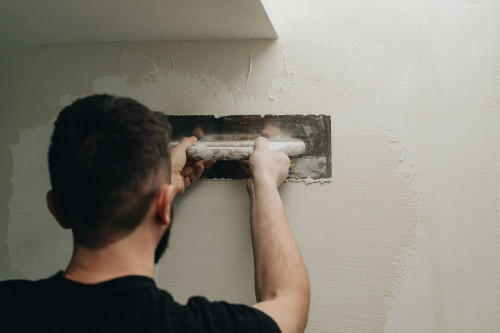
- Remove all loose paint – Use a scraper, wire brush, or power washer (on a low setting) to remove any paint that isn’t firmly attached.
- Clean the surface – Wash the area with a mild detergent or exterior cleaner to remove dirt, mildew, and chalk. Rinse thoroughly and let it dry completely.
- Repair damage – Fill cracks and holes with exterior-grade filler or caulk. Replace any rotted wood or damaged siding before painting.
- Prime the surface – Apply a high-quality primer suited to your material (wood, stucco, brick, etc.). Primer helps seal the surface and improves adhesion.
- Choose the right paint – For most U.S. climates, a 100% acrylic latex exterior paint is ideal. It’s flexible, breathable, and resistant to UV damage.
- Paint in the right conditions – Aim for dry weather with temperatures between 50°F and 85°F. Avoid painting in direct sunlight or when rain is expected within 24 hours.
How to Prevent Future Peeling
Once your home is freshly painted, a little maintenance goes a long way toward keeping it that way. Here are some good habits:
- Keep gutters and downspouts clear so water doesn’t run down the siding.
- Inspect caulking and joints annually and reseal any gaps to keep moisture out.
- Wash your exterior once a year to remove dirt, mildew, and pollen that can degrade paint.
- Trim back vegetation that traps moisture against the house.
- Repaint only when needed—too many layers can make paint more likely to peel.
When to Call a Professional
If peeling keeps coming back, or if you suspect deeper moisture issues, it’s wise to call a professional painter or home inspector. They can test for hidden leaks, assess the condition of your siding, and recommend the best products for your climate. While it may cost more upfront, professional help can save you from repeated repairs and long-term damage.
A Well-Painted Home Is a Protected Home
A smooth, well-maintained exterior doesn’t just boost curb appeal—it protects your home from the elements. By understanding why paint peels and taking the right preventive steps, you can preserve both the beauty and integrity of your home for many years to come. A little preparation and care today will keep your home’s exterior strong and vibrant through every season.
Læs også: