Properly Store and Maintain Materials for Masonry Repair

Properly Store and Maintain Materials for Masonry Repair
When it comes to masonry repair, success depends not only on skill and technique but also on how you store and maintain your materials. Cement, mortar, lime, and bricks are all sensitive to moisture, temperature, and time. If they’re not handled correctly, they can lose their strength and quality, leading to weaker, less durable repairs. Here’s a practical guide for homeowners and contractors in the U.S. on how to properly store and maintain masonry materials so they stay in top condition.
Understand the Nature of Your Materials
Each material used in masonry repair reacts differently to its environment. Cement and mortar absorb moisture, lime needs to breathe, and bricks can soak up water. Knowing how each behaves helps you choose the right storage method.
- Cement and dry mortar must be kept completely dry. Even slight moisture can cause clumping or premature hardening inside the bag.
- Lime comes in two main forms: hydrated lime (dry) and lime putty (wet). Hydrated lime should be stored in a dry place, while lime putty must be kept covered to prevent drying out.
- Bricks and masonry units can handle some moisture but should be protected from freezing temperatures and dirt to maintain their bonding ability.
Understanding these differences is the first step toward proper storage.
Storing Dry Materials
Dry materials like cement, dry mortar, and hydrated lime should always be stored in a dry, well-ventilated area—preferably on pallets or shelves so the bags don’t sit directly on the floor. Even a small amount of ground moisture can ruin them.
- Keep packaging sealed tightly after each use.
- Avoid temperature fluctuations, which can cause condensation inside storage areas.
- Use materials in the order they were purchased—first in, first out.
If you find hard lumps in a bag, it’s a sign of moisture damage. Discard the material, as it will no longer perform properly.
Storing Wet Materials
Wet materials like lime putty or pre-mixed mortar require a different approach. They need to stay moist but must be protected from drying out and freezing.
- Lime putty should be stored in a sealed container or pit covered with a thin layer of water to prevent crusting.
- Pre-mixed mortar should be used within a few days. If it must be stored longer, cover it with plastic to retain moisture.
In cold climates, take extra care during winter. Frozen materials lose their structure and cannot be used effectively.
Protecting Bricks and Masonry Units
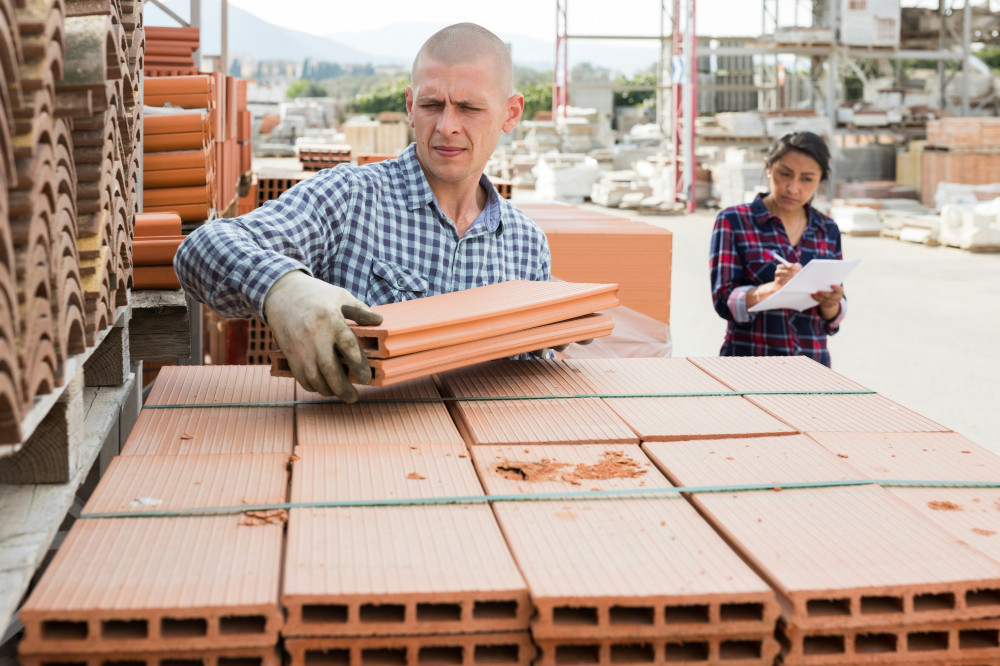
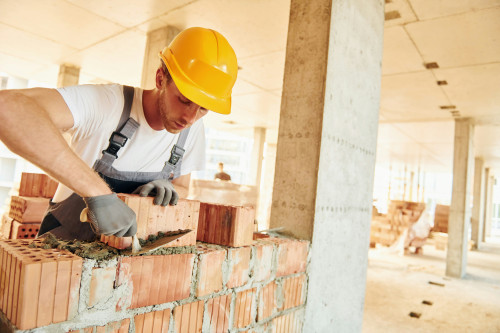
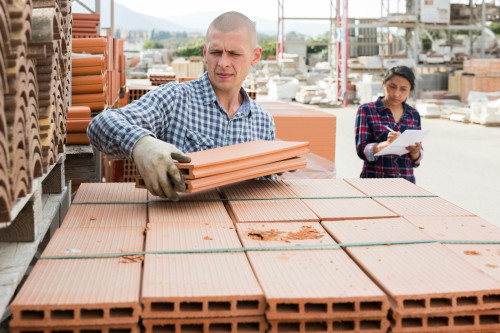
Bricks, blocks, and tiles are durable but still need protection from the elements. If they become saturated and then freeze, they can crack or spall.
- Store them on pallets and cover with a breathable tarp that allows air circulation.
- Avoid sealing them completely—trapped moisture can cause damage.
- Keep the storage area clean and free of mud or debris.
If you’re reusing old bricks, clean off any mortar residue and let them dry before stacking for storage.
Maintaining Tools and Equipment
Your materials are only as good as the tools you use. Proper maintenance of tools ensures better results and longer service life.
- Clean trowels, buckets, and mixers thoroughly after each use to prevent hardened mortar buildup.
- Store tools indoors to protect them from moisture and rust.
- Lightly oil metal parts to prevent corrosion.
Well-maintained tools make your work easier and your repairs more precise.
Læs også:
Track Shelf Life and Label Materials
Many masonry materials have a limited shelf life. Cement and dry mortar gradually lose their binding strength, even under ideal conditions. Always check the manufacturer’s date on the bag and use the product within the recommended period—typically 6 to 12 months.
Label containers and bags with the date they were opened. This simple habit helps you keep track of freshness, reduce waste, and ensure consistent quality in your repairs.
Good Storage Pays Off
Proper storage and maintenance of masonry materials aren’t just about organization—they’re about quality and durability. By protecting your materials from moisture, temperature extremes, and contamination, you ensure stronger, longer-lasting repairs and save money in the long run. A little care in storage goes a long way toward professional, lasting results.
Læs også: