Cork Flooring and Style: How to Match Your Floor with Your Décor

Cork Flooring and Style: How to Match Your Floor with Your Décor
Cork flooring has been making a comeback in American homes, appreciated for its natural warmth, sustainability, and comfort underfoot. Once associated with mid-century interiors, cork is now a stylish and eco-friendly choice for homeowners who want a floor that’s both beautiful and practical. But how do you make cork flooring fit seamlessly with your home décor—whether your style leans modern, rustic, or classic? Here’s how to match cork’s unique look with your personal design aesthetic.
Why Choose Cork Flooring?
Cork is a renewable material harvested from the bark of cork oak trees, primarily grown in the Mediterranean region. The bark regenerates after harvesting, making cork one of the most sustainable flooring options available. Beyond its green credentials, cork offers a host of practical benefits: it’s soft underfoot, naturally insulating, sound-absorbing, and easy to maintain. Modern cork floors come in a wide range of colors and patterns—from light, natural tones to deep, rich shades—so you can find a look that complements nearly any interior style.
Cork Flooring in a Modern Home
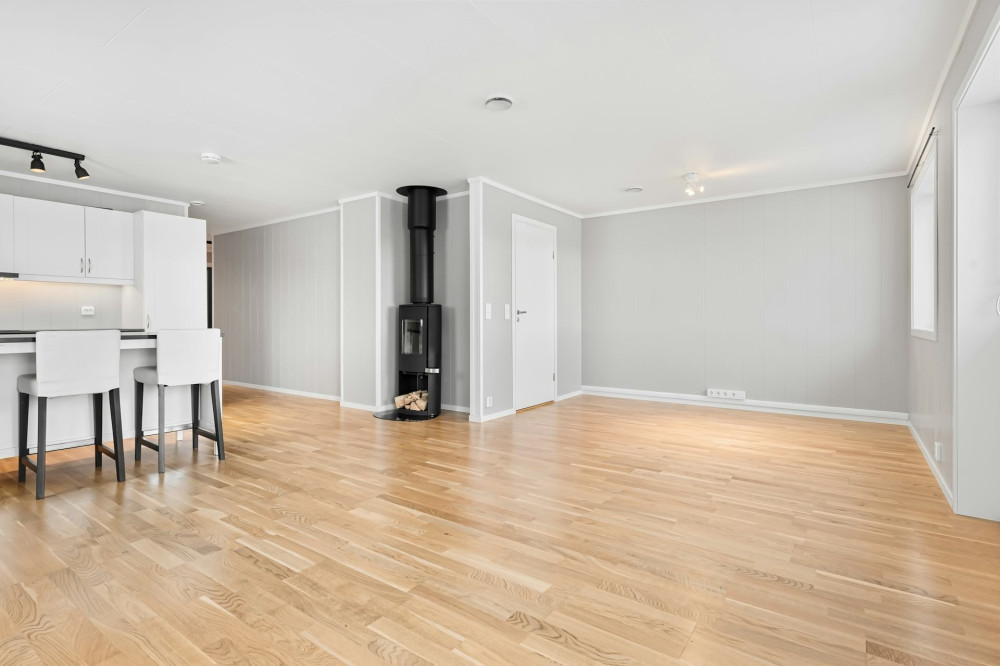
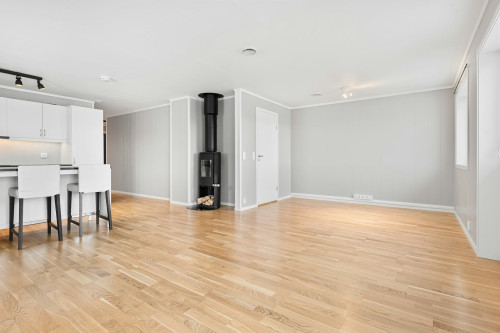
If your home features clean lines, open spaces, and a minimalist aesthetic, cork can add warmth and texture without disrupting the sleek look. Choose a uniform cork floor in a neutral or gray-washed tone to create a subtle foundation that enhances your furniture and artwork. The natural grain of cork softens the sharpness of modern design, adding a touch of organic comfort to an otherwise streamlined space. Pair it with matte finishes, metal accents, and simple geometric décor for a balanced, contemporary feel.
Læs også:
Rustic and Cozy Interiors
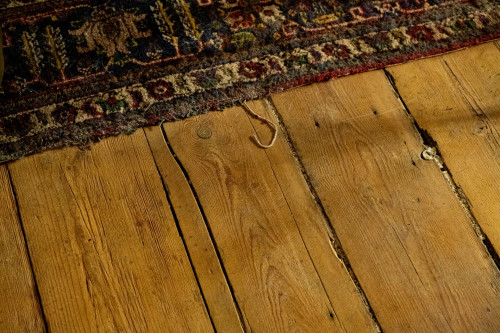
For those who love farmhouse charm or a cozy, traditional atmosphere, cork flooring in deeper brown or honey tones is a perfect match. Its natural texture and warmth pair beautifully with wood furniture, woven rugs, and earthy color palettes—think terracotta, olive green, and cream. Cork’s softness underfoot makes it ideal for living rooms and bedrooms, where comfort and coziness are key. Add layered textiles, vintage lighting, and natural materials to complete the inviting look.
Mid-Century and Eclectic Styles
Cork was a popular flooring choice in mid-century homes, and it still works wonderfully in retro-inspired or eclectic interiors. Opt for a natural or amber-toned cork floor to echo the warmth of walnut or teak furniture. Combine it with bold accent colors, geometric patterns, and statement lighting for a space that feels both nostalgic and fresh. Cork’s subtle patterning adds visual interest without overwhelming the room, making it a great backdrop for colorful or artistic décor.
Colors and Materials That Complement Cork
Cork’s versatility makes it easy to coordinate with a variety of materials and color schemes. Here are a few design tips:
- Wood and cork create a harmonious, layered look—just vary the tones so the floor and furniture don’t blend together.
- Metal and glass add a modern edge that contrasts beautifully with cork’s softness.
- Natural textiles like cotton, wool, and linen enhance cork’s organic appeal.
- Earthy colors—beige, sand, rust, and forest green—highlight cork’s natural warmth.
By mixing textures and balancing warm and cool tones, you can create a space that feels cohesive and thoughtfully designed.
Practical Considerations
Cork flooring isn’t just stylish—it’s also highly functional. Its cushioning effect makes it comfortable for standing, which is great for kitchens or home offices. It’s naturally insulating, helping to keep rooms warm in winter and cool in summer, and it reduces noise between floors. Most modern cork floors are sealed with durable finishes that resist stains and moisture, making them easy to clean and maintain. However, cork isn’t recommended for full bathrooms or other areas with standing water.
A Floor with Personality and Purpose
Cork flooring is more than a design choice—it’s a statement of sustainability, comfort, and individuality. Whether you live in a city apartment, a suburban home, or a country cottage, cork can adapt to your décor and lifestyle. By selecting the right color, texture, and complementary materials, you can create a home that feels timeless, welcoming, and uniquely yours—a space where style and sustainability meet underfoot.
Læs også: