Moisture Damage in Floors – How to Detect and Prevent It in Time

Moisture Damage in Floors – How to Detect and Prevent It in Time
Moisture damage in floors is one of the most overlooked yet potentially costly problems in a home. It often develops slowly and unnoticed—and by the time visible signs appear, the damage may already be extensive. Whether you live in an older house with hardwood floors or a newer home with concrete slabs and radiant heating, it’s important to recognize the early signs of moisture and know how to prevent it. Here’s a guide to help you detect moisture damage in time—and stop it before it starts.
What Causes Moisture Damage?
Moisture damage occurs when water or humidity penetrates the floor structure and becomes trapped. Over time, this can lead to mold growth, rot, and structural deterioration. Common causes include:
- Leaking pipes or plumbing beneath the floor.
- Condensation from poor ventilation, especially in basements, bathrooms, and laundry rooms.
- Ground moisture seeping through a damaged or missing vapor barrier.
- Construction moisture, when flooring materials are installed before the subfloor has fully dried.
- Flooding or spills that aren’t properly dried out.
When moisture remains trapped, it can compromise both the flooring surface and the materials underneath, leading to expensive repairs and potential health risks.
Læs også:
Common Signs of Moisture Damage
Moisture problems rarely appear overnight. They develop gradually, so it’s important to pay attention to early warning signs such as:
- Discoloration or dark spots on wood or laminate floors.
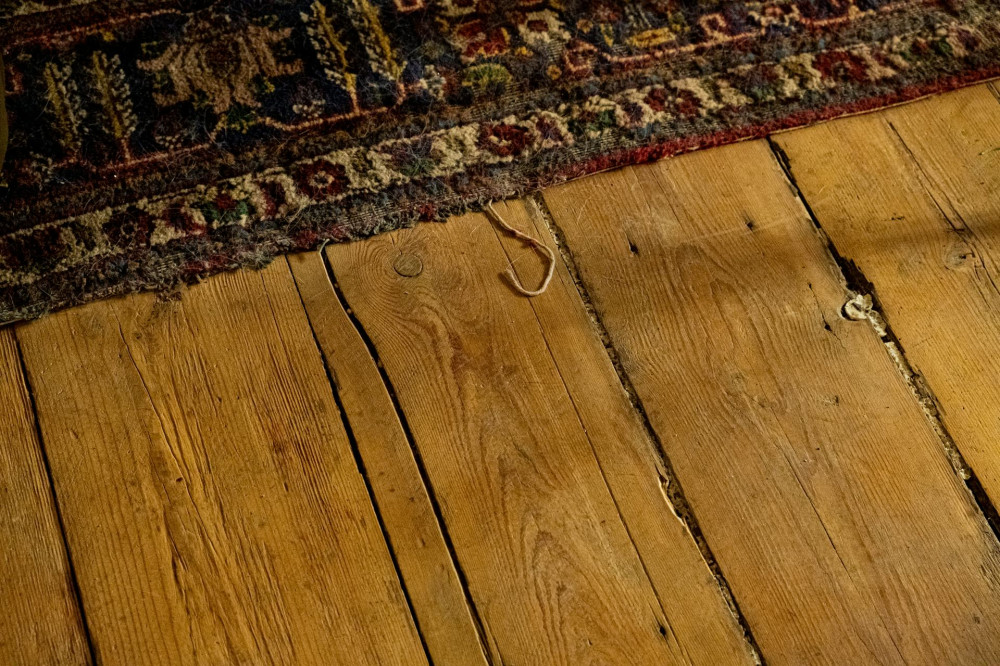
- Buckling, warping, or uneven surfaces, where the floor lifts or swells.
- A musty or earthy odor, especially in enclosed spaces.
- Cold or damp areas on the floor that don’t dry out.
- Peeling paint or loose baseboards, which can indicate moisture along walls or floor edges.
If you notice several of these symptoms, it’s wise to have a professional moisture inspection done. A home inspector or moisture specialist can measure humidity levels and locate the source of the problem.
How to Check for Moisture Yourself
If you suspect moisture under your floor, you can perform a simple test. Tape a piece of clear plastic (about 2 feet by 2 feet) tightly to the floor, sealing all edges. After 24 hours, check for condensation on the underside of the plastic. If moisture has formed, it’s a sign that water vapor is coming up from below.
This test only provides an indication, not a full diagnosis. For accurate results, professional moisture meters and thermal imaging tools can determine how deep the moisture goes and how severe the issue is.
Preventing Moisture Damage
Prevention is far less expensive than repair. Here are key steps to protect your floors:
- Ensure proper ventilation. Use exhaust fans in bathrooms, kitchens, and laundry areas, and open windows when possible.
- Inspect plumbing regularly. Even small leaks can cause major damage over time.
- Check vapor barriers when installing or replacing flooring. They should be intact and properly sealed.
- Avoid covering floors with rugs for long periods in damp areas like basements, as this can trap moisture.
- Use a dehumidifier if your home tends to have high humidity, especially in summer or in below-grade spaces.
- Keep gutters and downspouts clean so rainwater is directed away from your foundation.
- Seal cracks in foundations or slabs to prevent groundwater intrusion.
If you’re building or remodeling, allow adequate drying time for concrete and subfloors before installing new flooring. Rushing the process is one of the most common causes of hidden moisture problems.
What to Do If Damage Has Already Occurred
If you discover moisture damage, act quickly. Start by identifying the source of the moisture—without tearing up the floor unnecessarily. A moisture specialist can help locate leaks, assess the extent of the damage, and recommend the right solution.
In some cases, improving ventilation and using a dehumidifier may be enough. In others, sections of the floor may need to be removed so the subfloor can dry completely before new materials are installed. Be sure to document the damage for insurance purposes if applicable.
A Healthy Home Starts from the Floor Up
A dry, healthy floor isn’t just about appearance—it’s about your well-being. Mold and moisture can affect indoor air quality and trigger allergies or respiratory irritation. Keeping your floors dry helps maintain a safe, comfortable living environment.
By staying alert to early signs and taking preventive measures, you can avoid costly repairs and ensure your home remains strong, healthy, and beautiful for years to come.
Læs også: