The Second Life of Linoleum Flooring: Recycling and Sustainable Disposal

The Second Life of Linoleum Flooring: Recycling and Sustainable Disposal
For more than a century, linoleum flooring has been a trusted choice in homes, schools, and public buildings. Known for its durability, natural composition, and timeless look, linoleum remains a favorite among those who value both function and design. But what happens when a linoleum floor reaches the end of its life? As sustainability and circular economy principles gain traction in the U.S. construction and renovation industries, more attention is being paid to how linoleum can be reused, recycled, or responsibly disposed of.
A Natural Material with Built-In Sustainability
Linoleum is inherently eco-friendly. Made primarily from natural ingredients such as linseed oil, pine resin, wood flour, limestone, and jute, it is biodegradable and free from PVC and harmful plasticizers. This makes it a healthier and more sustainable alternative to many synthetic flooring materials. However, even natural materials require thoughtful handling to ensure they are disposed of or reused in an environmentally responsible way.
For decades, old linoleum was often treated as waste and sent to landfills or incineration. Today, manufacturers, contractors, and environmentally conscious homeowners are exploring ways to keep linoleum in circulation longer—either by reusing it directly or by recycling it into new products.
Reuse: Giving Old Floors a New Purpose
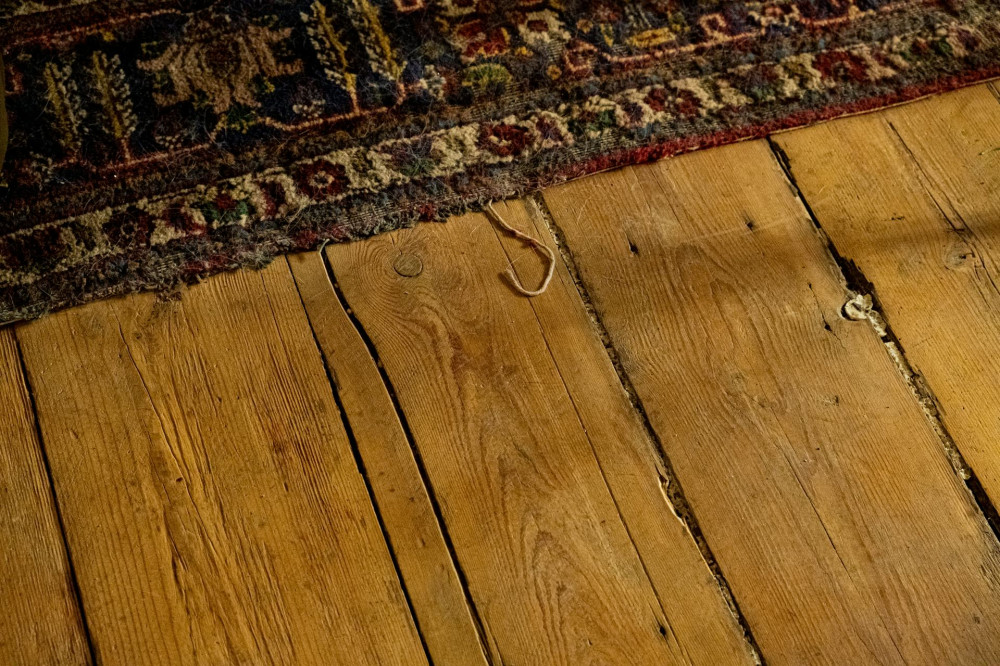
Linoleum is known for its longevity—many floors last 30 to 40 years or more. Often, only the surface shows wear while the underlying material remains intact. In such cases, sections of flooring can be salvaged and reused in other spaces.
Reclaimed linoleum can find new life in workshops, art studios, or community centers where appearance is less critical. Some designers and craftspeople have even turned old linoleum into furniture, countertops, or wall panels, celebrating its retro aesthetic and sustainable story. Reuse not only extends the life of the material but also reduces the demand for new production.
Recycling: Turning Old Linoleum into New Products
When linoleum can no longer serve as flooring, it can still be valuable as a raw material. Several flooring manufacturers, including major brands available in the U.S., have developed take-back programs that collect used linoleum, grind it down, and incorporate it into new flooring products.
Successful recycling depends on proper sorting and clean material. Adhesives, paint, or contaminants can complicate the process, so it’s important for contractors and building owners to follow manufacturer guidelines or local recycling protocols. Some companies, such as Forbo Flooring Systems, operate closed-loop recycling systems that ensure old linoleum is reprocessed safely and efficiently.
Sustainable Disposal: When Reuse and Recycling Aren’t Options
If a linoleum floor is too damaged or contaminated to be reused or recycled, it can still be disposed of in an environmentally responsible way. Because linoleum is made from natural materials, it can be safely incinerated in waste-to-energy facilities without releasing toxic emissions. This process recovers energy while minimizing landfill waste.
However, older installations may have been laid with adhesives containing substances that require special handling. Before removal, it’s wise to consult local waste management authorities or professional flooring contractors to determine the safest disposal method.
Læs også:

Practical Steps for Homeowners and Contractors
If you’re planning to replace a linoleum floor, consider these steps to ensure a sustainable process:
- Assess the condition – Determine whether the floor can be repaired, refinished, or reused instead of replaced.
- Contact the manufacturer – Many offer recycling or take-back programs and can provide guidance on proper handling.
- Prepare the material – Remove adhesives, nails, and other contaminants to make recycling easier.
- Use local recycling or disposal services – Check with your city or county for construction and demolition recycling options.
- Choose sustainable replacements – When installing new flooring, look for products with environmental certifications such as FloorScore® or GreenGuard Gold.
Moving Toward a Circular Building Culture
The story of linoleum flooring illustrates how traditional materials can play a role in modern sustainability efforts. By rethinking how we handle materials at the end of their life, we can reduce waste, conserve resources, and support a more circular economy in the building sector.
When we view the floor beneath our feet not as disposable, but as part of a continuous cycle of use and renewal, we take an important step toward a more responsible and sustainable future for American homes and buildings.
Læs også: