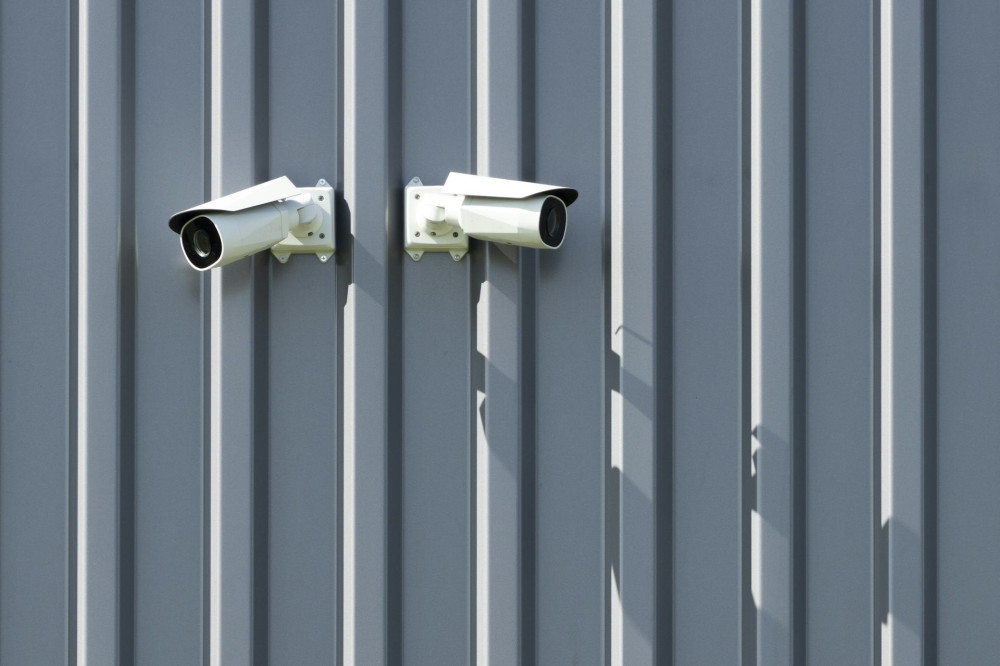
Do a Weekly Home Safety Check – Here’s How


Do a Weekly Home Safety Check – Here’s How
A safe home isn’t just about locks and alarms—it’s about habits. Doing a quick weekly safety check can help prevent accidents, fires, and break-ins. It rarely takes more than fifteen minutes, but it can make a big difference in keeping your household secure and comfortable. Here’s a simple step-by-step guide to help you get started.
Begin with the Most Important Areas
When you do your safety check, start with the places where accidents or damage are most likely to happen—typically the kitchen, bathroom, electrical systems, and exits.
- Kitchen: Make sure the stove, oven, and small appliances are turned off when not in use. Keep cords away from hot surfaces, and check that your smoke detector is working.
- Bathroom: Look for moisture and slippery floors. A non-slip mat in the shower or tub can prevent falls.
- Electrical and electronics: Inspect power strips and extension cords. Avoid overloading outlets, and clear dust from around plugs and appliances.
- Exits: Ensure doors and windows open and close easily, and that keys are easy to find in case of an emergency.
A quick check of these areas can catch small issues before they turn into bigger problems.
Test Your Alarms and Safety Devices
Smoke alarms, carbon monoxide detectors, and any home security systems should be tested regularly. A good rule of thumb is to test them once a week—it only takes a few seconds.
Press the test button and listen for the alarm. If it doesn’t sound, replace the batteries right away. If you have a monitored alarm system or one connected to an app, make sure the connection is still active.
It’s also smart to note the test date on a calendar or in your phone so you can keep track of when you last checked.
Review Fire Prevention Measures
Most home fires start from everyday activities—cooking, candles, or electrical issues. A weekly check can help you spot risks before they become serious.
- Make sure smoke alarms work and that you have a fire extinguisher or fire blanket within reach.
- Extinguish candles before leaving a room.
- Double-check that stoves and appliances are turned off when not in use.
- Review escape routes—can everyone in your household get out quickly if there’s a fire?
If you live in a house, also make sure driveways and access points for emergency vehicles are clear.
Læs også:
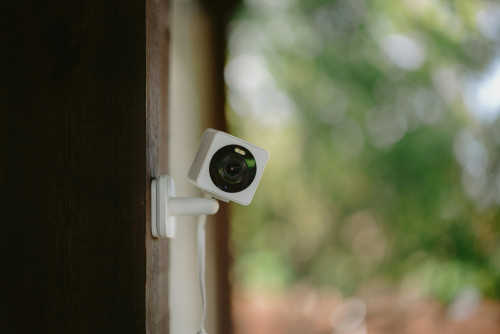

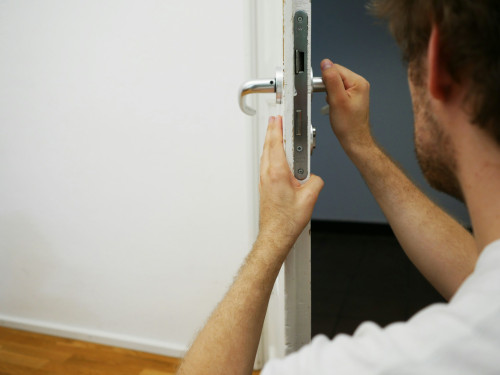
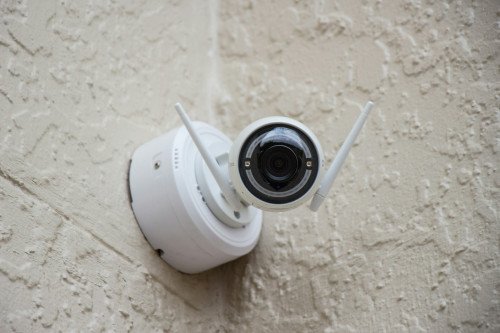
Check for Home Security Risks
A secure home looks lived-in and is difficult to break into. Use your weekly check to make sure everything is in good shape.
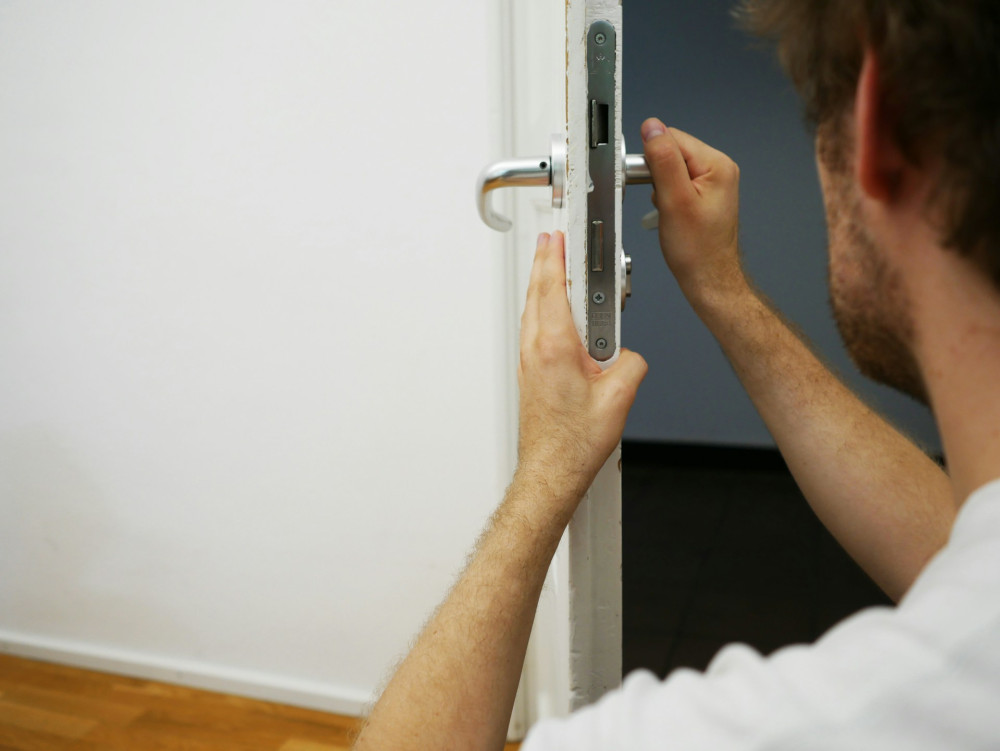
- Are locks and windows working properly?
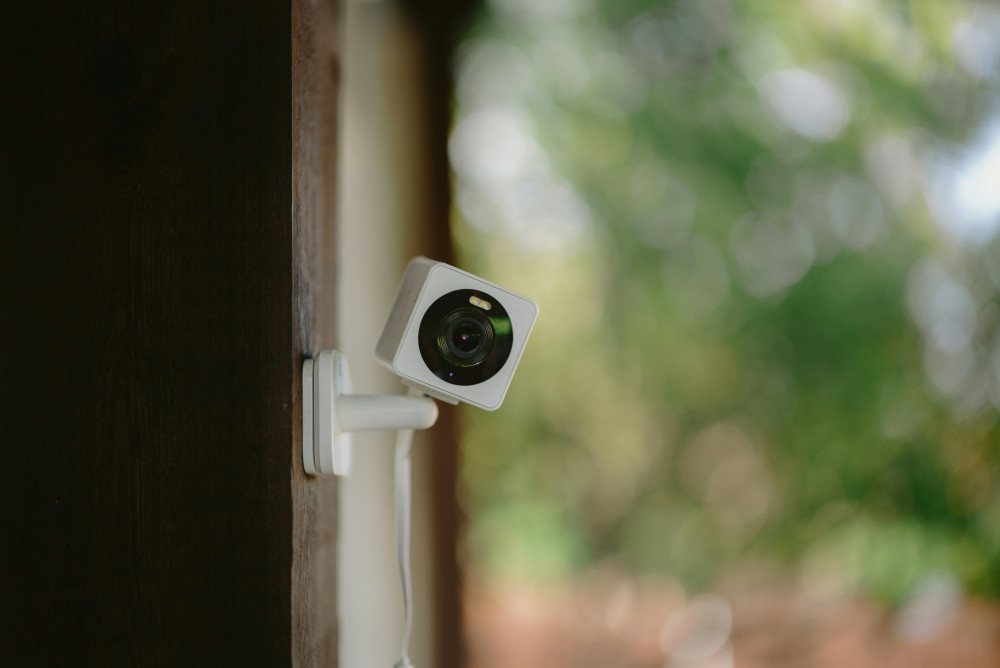
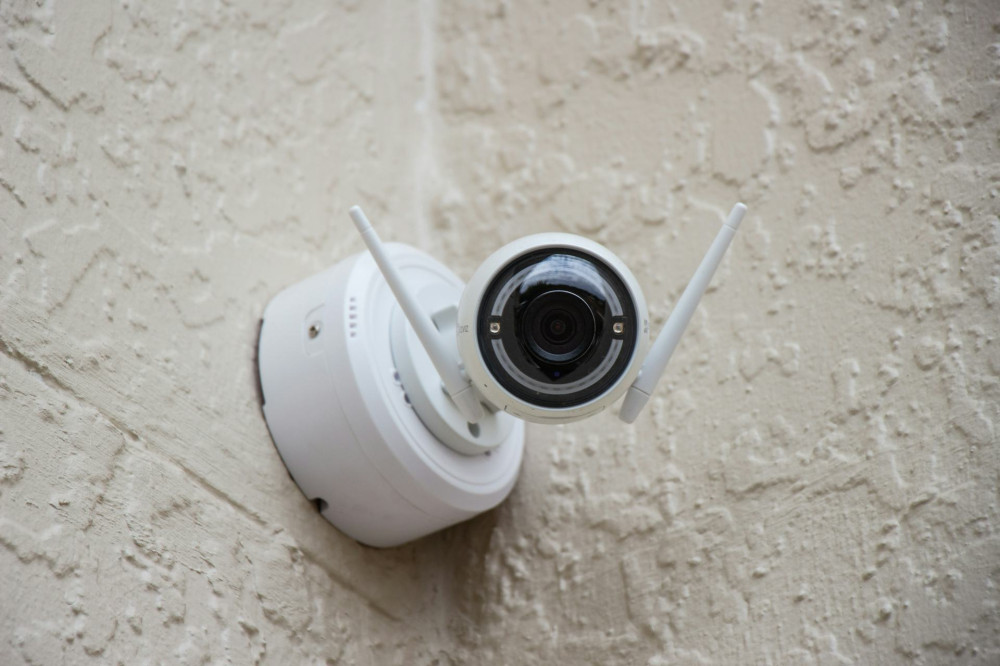
- Does your outdoor lighting turn on at night, and are motion sensors functioning?
- Are tools, ladders, and yard equipment stored away so they can’t be used to gain entry?
- Do you close blinds or curtains when you’re away to keep valuables out of sight?
Small adjustments can make a big difference—and they send a clear signal that your home is cared for and monitored.
Make It a Habit
The key to a successful safety check is consistency. Try making it part of your Sunday routine or the last thing you do before the new week begins.
Create a checklist and post it somewhere visible, like on the fridge or a bulletin board. It helps you remember each step and gives you peace of mind. If you live with others, take turns doing the check—it’s faster and keeps everyone involved.
A Small Effort with a Big Impact
A weekly home safety check doesn’t take much time, but it can prevent accidents, fires, and break-ins. More importantly, it gives you confidence that your home is safe and ready for whatever the week brings. It’s not about being overly cautious—it’s about taking responsibility for your home and your family’s well-being.
When safety becomes part of your routine, it quickly turns into a habit that protects both your loved ones and your home.
Læs også: