Neighborhood Watch in Rural Areas – How to Build Safety in Your Community

Neighborhood Watch in Rural Areas – How to Build Safety in Your Community
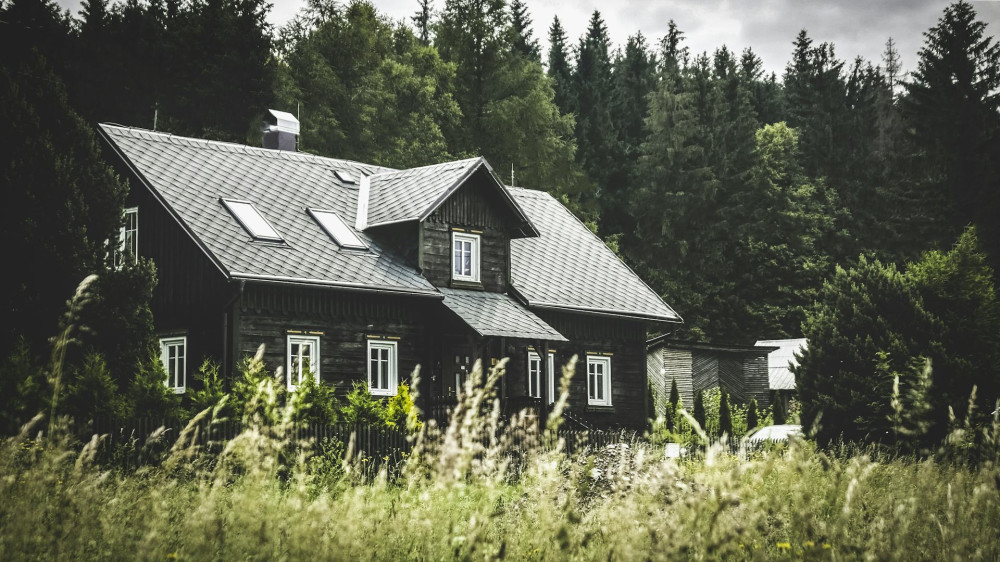
In rural America, neighbors often know each other by name – but that doesn’t always mean they’re keeping an eye out for one another’s homes. A neighborhood watch program isn’t just about preventing crime; it’s about building a stronger, more connected community where people look out for each other every day. Here’s how you and your neighbors can create a safer, more caring environment where you live.
Why Neighborhood Watch Matters
In sparsely populated areas, homes can sit empty for hours or even days without anyone passing by. That makes rural communities more vulnerable to burglary, vandalism, and other crimes. Studies and law enforcement experience show that active neighborhood watch programs can significantly reduce these risks. When residents know each other, share information, and respond quickly to suspicious activity, criminals are less likely to target the area.
But neighborhood watch is about more than security—it’s about trust and connection. It’s knowing that someone will notice if something seems off, and that you’ll do the same for them.
Getting Started – How to Organize Your Group
The first step is to bring your neighbors together. You can meet at a local church, community center, or even around someone’s kitchen table. The goal is to talk about what concerns you share and how you can work together.
- Create a contact list with phone numbers and emails so everyone can reach each other quickly.
- Set up a vacation plan – collect mail, move vehicles, and turn on lights for neighbors who are away.
- Use digital tools like local Facebook groups, Nextdoor, or text message chains to share updates.
- Choose a coordinator who can communicate with local law enforcement and keep the group organized.
The key is to make participation easy and based on trust, not suspicion. Everyone should feel comfortable being part of the effort.
Make Your Presence Known
A visible, active neighborhood is a safer one. Criminals tend to avoid places where people are alert and engaged. Small actions can make a big difference:
- Host community events like potlucks, clean-up days, or seasonal gatherings to strengthen relationships.
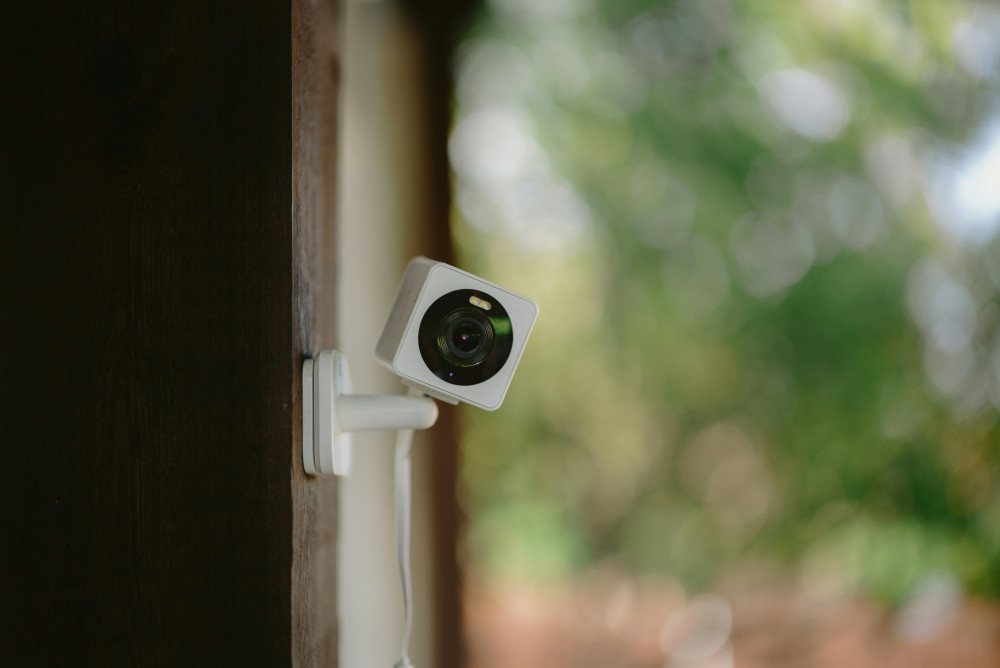
- Install good outdoor lighting around homes, driveways, and shared roads.
- Post Neighborhood Watch signs at entrances to your area to show that residents are organized.
- Keep an eye out for unusual activity – vehicles driving slowly past multiple times, or strangers walking around without a clear reason.
When your community is active and connected, it sends a clear message: this is not an easy target.
Læs også:

Safety Is Also About Caring
Neighborhood watch isn’t only about preventing crime—it’s about caring for one another. In rural areas, where neighbors may live miles apart, it’s important to check in on each other, especially during storms, power outages, or extreme weather.
A quick phone call or a friendly wave can make a big difference. Many rural watch groups also help with everyday needs—feeding animals when someone’s away, picking up prescriptions, or checking on elderly residents. These small acts of kindness build trust and make the community stronger.
Partner with Law Enforcement and Local Agencies
Most sheriff’s offices and police departments encourage neighborhood watch programs and can provide guidance on how to set one up. They may offer training, safety tips, or even signs for your area. Some counties also have community resource officers who can help coordinate meetings or provide crime prevention materials.
Reach out to your local sheriff’s office or community policing unit to learn what support is available. Collaboration between residents and law enforcement leads to the best results.
A Small Effort with a Big Impact
A neighborhood watch doesn’t require a lot of time—but it does require commitment. When you greet your neighbors, share information, and stay alert, you’re helping to create a safer, more connected community. It’s a simple way to make a meaningful difference—for yourself and for everyone around you.
Safety in rural America starts with community. And community starts when someone takes the first step.
Læs også: