Motion Sensors as Part of Your Home Security System

Motion Sensors as Part of Your Home Security System
A modern home security system is about more than just cameras and alarms—motion sensors play a key role in detecting activity and keeping your home safe. Acting as the “eyes” of your system, they sense movement when you’re not around and alert you if something unexpected happens. But how do they work, and how can you make the most of them in your home?
What Is a Motion Sensor?
A motion sensor is a device that detects changes in its surroundings—typically movement, heat, or light. The most common types used in home security include:
- PIR (Passive Infrared) sensors – detect changes in heat, such as when a person moves through a room.
- Microwave sensors – emit microwaves and measure reflections to detect motion, even through thin walls or glass.
- Dual-technology sensors – combine infrared and microwave detection to reduce false alarms.
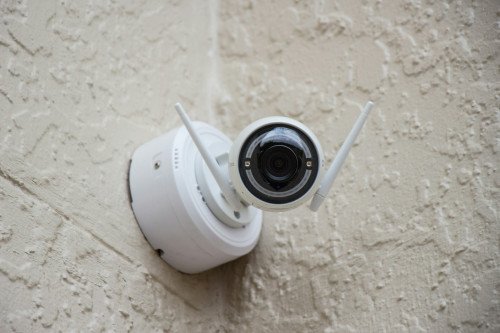
Motion sensors can be wired or wireless and are often connected to alarm systems, cameras, or smart home devices.
Læs også:
Why Motion Sensors Matter
Motion sensors are one of the most effective ways to detect a break-in before it happens. They can:
- Trigger the alarm when movement is detected while the system is armed.
- Turn on lights automatically, making intruders visible—and often deterring them.
- Send alerts to your smartphone, so you can respond quickly.
- Activate cameras, ensuring recording starts the moment activity is detected.
They’re also useful for everyday convenience, such as turning on hallway lights at night or letting you know when the kids get home from school.
Placement: The Key to Effective Coverage
Proper placement is essential for getting the best performance from your motion sensors. Here are some tips:
- Cover entry points and high-traffic areas—such as hallways, living rooms, and entryways.
- Avoid direct sunlight and heat sources, which can cause false alarms.
- Mount at the right height—typically 6 to 8 feet above the floor for a wide field of view.
- Think about angles—sensors detect movement best across their field of view, not directly toward or away from it.
- Outdoor sensors should be installed under eaves or awnings to protect them from rain and snow.
It’s a good idea to test your sensors before permanently mounting them, so you can fine-tune their placement.
Preventing False Alarms
False alarms are one of the most common issues with motion sensors. They can be triggered by pets, drafts, heating vents, or reflective surfaces. To minimize the risk:
- Choose pet-immune sensors if you have dogs or cats.
- Maintain a stable indoor temperature.
- Avoid pointing sensors toward windows, radiators, or moving curtains.
- Adjust sensitivity settings in your system’s app or control panel.
Modern sensors are much better at distinguishing between people and other movements, especially when paired with cameras or AI-based analysis.
Integration with Smart Home Systems
Today’s motion sensors can do far more than just trigger an alarm. In a smart home setup, they can help automate your daily routines:
- Turn lights on when you enter a room and off when you leave.
- Arm your security system automatically when you leave the house.
- Work with voice assistants, so you can get alerts through your smart speaker.
- Use schedules, so sensors are active only at certain times.
This flexibility makes motion sensors an important part of both home security and everyday comfort.
Maintenance and Battery Life
To keep your sensors working reliably, a little maintenance goes a long way:
- Check batteries a few times a year—many systems will alert you when they’re running low.
- Clean the sensor with a dry cloth to remove dust and cobwebs.
- Test the system regularly to ensure all devices respond properly.
- Update firmware or apps if your sensors are part of a smart home network.
Simple habits like these can make a big difference in long-term performance.
Peace of Mind at Home
Motion sensors are a simple yet powerful way to enhance your home’s security. They provide peace of mind when you’re away and can make daily life more convenient. Whether you choose a basic alarm setup or a fully integrated smart home system, motion sensors are an investment in both safety and comfort.
Læs også: