Energy-Efficient Roofing Materials – How to Choose the Right One

Energy-Efficient Roofing Materials – How to Choose the Right One
A roof is more than just a cover over your head. It protects your home from the elements and plays a major role in your energy consumption. The right roofing material can help you reduce heat loss, improve indoor comfort, and lower your utility bills. But how do you choose the best option for your home and budget? Here’s a guide to the most energy-efficient roofing materials available in the U.S.—and what to consider before making your decision.
Why Energy Efficiency Starts at the Top
Up to 25% of a home’s energy loss can occur through the roof. That makes it one of the most effective places to improve efficiency. An energy-efficient roof doesn’t just mean good insulation—it’s also about how well the material reflects sunlight, retains heat in winter, and resists moisture and temperature fluctuations.
A good roofing system should be durable, climate-appropriate, and compatible with your home’s structure. The combination of insulation, ventilation, and material choice determines how energy-efficient your roof will be.
The Most Energy-Efficient Roofing Options
There are many roofing materials on the market, but some stand out when it comes to energy performance.
Asphalt Shingles – Affordable and Improved Efficiency
Asphalt shingles remain the most common roofing material in the U.S. Modern “cool roof” shingles are designed with reflective granules that reduce heat absorption, helping to keep your home cooler in summer. They’re affordable, easy to install, and available in a wide range of colors and styles. However, their lifespan is shorter than that of metal or tile roofs, typically lasting 20–30 years.
Metal Roofing – Reflective and Long-Lasting
Metal roofs are among the most energy-efficient options available. They reflect solar radiation effectively, reducing cooling costs by up to 25%. They’re lightweight, durable, and can last 50 years or more with minimal maintenance. In colder climates, metal roofs also shed snow easily, preventing ice dams. To maximize efficiency, choose light-colored or specially coated panels that enhance reflectivity.
Clay and Concrete Tiles – Durable and Climate-Resilient
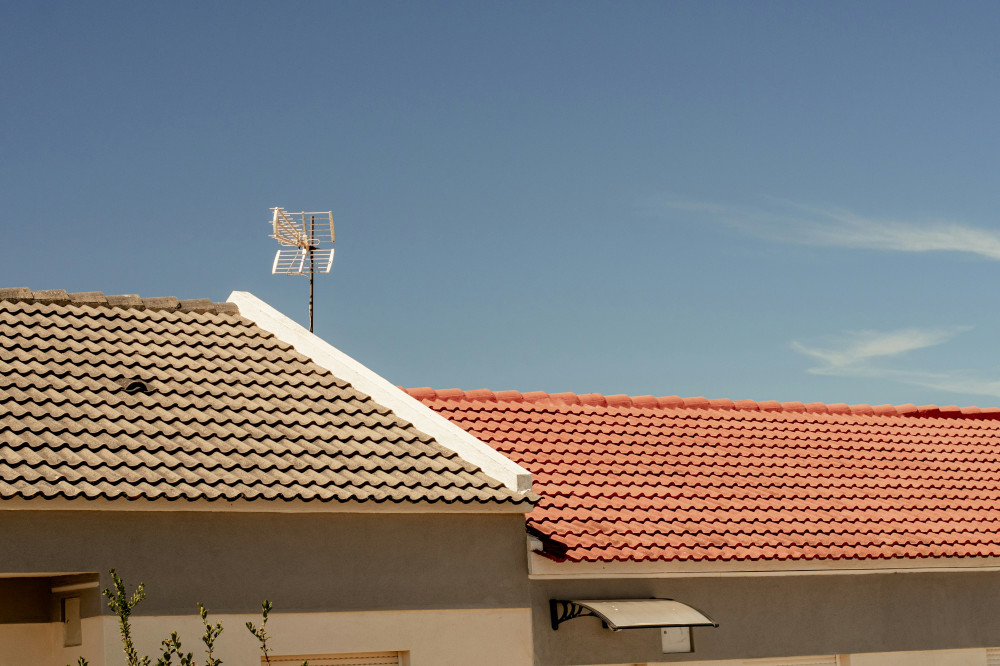
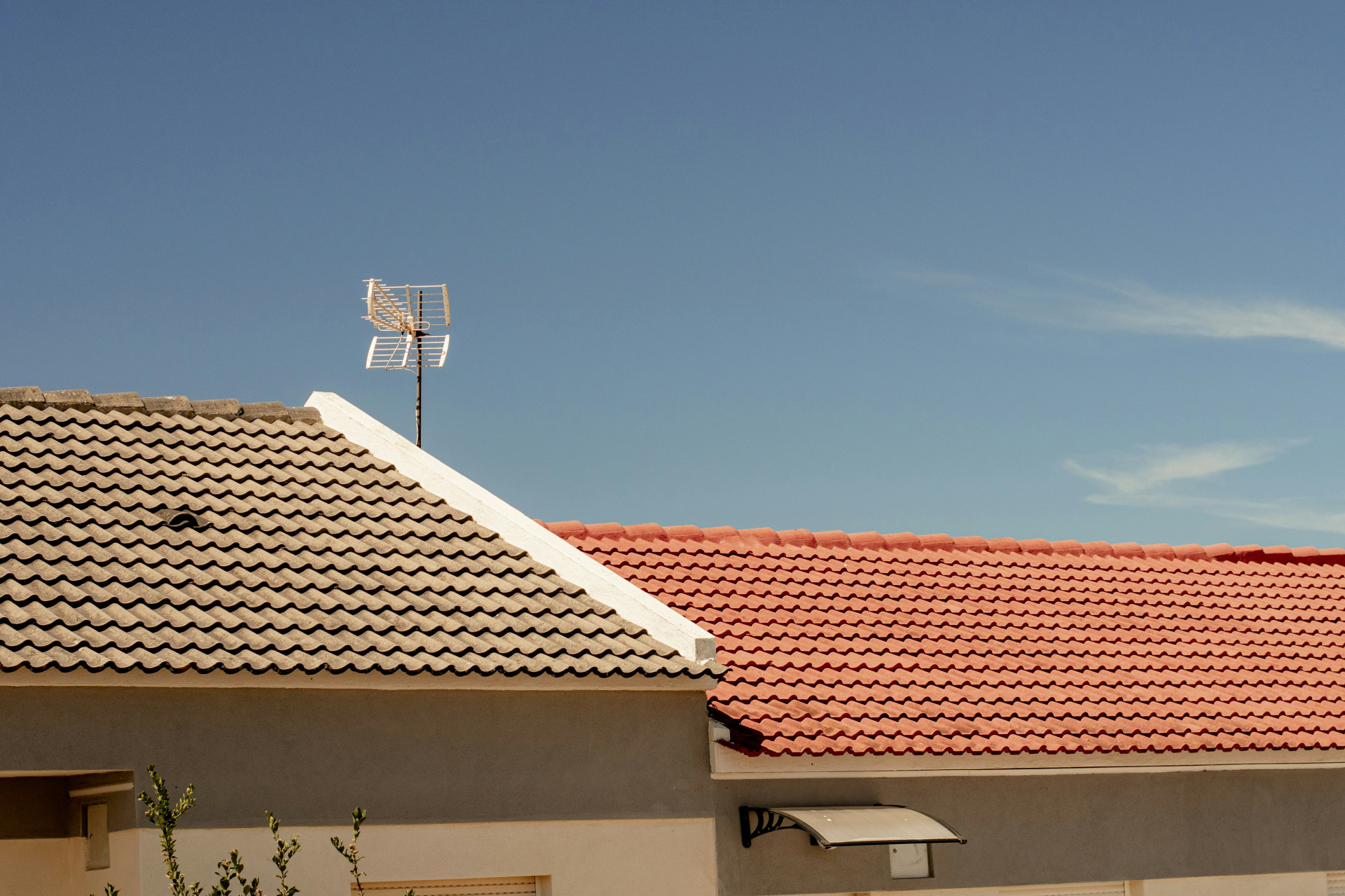
Clay and concrete tiles are popular in warmer regions like the Southwest and Florida. Their thermal mass helps regulate indoor temperatures by absorbing and slowly releasing heat. They’re also highly durable, lasting up to 100 years. While heavier and more expensive than asphalt, they offer excellent long-term value and can be paired with reflective coatings for even better performance.
Slate Roofing – Natural and Insulating
Slate is a premium roofing material known for its beauty and longevity. It provides excellent insulation and can last over a century. Because it’s a natural stone, it’s also environmentally friendly and recyclable. However, slate is heavy and requires a strong roof structure, making it best suited for homes that can support its weight and cost.
Green Roofs – Nature’s Insulation Layer
A green or “living” roof, covered with vegetation, acts as a natural insulator. It keeps your home cooler in summer and warmer in winter while absorbing rainwater and improving air quality. Green roofs are ideal for flat or low-slope structures and urban environments. They do require proper waterproofing, drainage, and maintenance, but they offer unmatched environmental benefits.
Cool Roof Coatings – A Simple Upgrade
If you’re not ready to replace your roof, applying a cool roof coating can be a cost-effective way to improve efficiency. These reflective coatings can be applied to many roof types—especially flat or low-slope roofs—to reduce heat absorption and extend the roof’s lifespan.
Insulation – The Key to True Efficiency
No matter which material you choose, insulation is critical. A new roof without proper insulation won’t deliver the energy savings you expect. When replacing your roof, consider upgrading attic insulation at the same time. Materials like fiberglass, cellulose, or spray foam can significantly reduce heat transfer and improve comfort year-round.
Color and Finish Matter
The color of your roof affects how much heat it absorbs. Light-colored or reflective roofs are ideal for hot climates, as they reflect sunlight and reduce cooling costs. In colder regions, darker roofs can help absorb heat and reduce heating needs. Many manufacturers now offer ENERGY STAR®-rated roofing products designed to balance reflectivity and insulation for different climate zones.
Læs også:


Think Sustainable – For the Planet and Your Wallet
Energy efficiency isn’t just about saving money—it’s also about sustainability. Choose materials with a low environmental impact, long lifespan, and recyclability. Metal, clay, and slate roofs score high in this regard, while asphalt shingles can vary depending on the manufacturer. Some states and utilities even offer rebates or tax incentives for installing energy-efficient or cool roofing systems.
An energy-efficient roof can also increase your home’s resale value and make it more attractive to buyers. It’s an investment that pays off in comfort, savings, and environmental impact.
Get Professional Advice
Before making a decision, consult a roofing contractor or energy specialist. They can assess your home’s structure, local climate, and insulation needs to recommend the best solution. The right roof isn’t just about materials—it’s about the whole system, from ventilation and insulation to color and maintenance.
With the right combination, you can create a roof that saves energy, protects your home, and contributes to a more sustainable future.
Læs også: