Solar Roof or Solar Panel System? Understand the Difference Before You Choose


Solar Roof or Solar Panel System? Understand the Difference Before You Choose
Solar energy has become one of the most popular ways for American homeowners to generate clean, renewable power. But when you start exploring your options, you’ll quickly come across two main choices: solar roof and solar panel system. They may sound similar, but they differ in appearance, cost, efficiency, and installation. Here’s a guide to help you understand the differences and decide which option fits your home and budget best.
What Is a Solar Panel System?
A solar panel system consists of traditional photovoltaic (PV) panels mounted on top of your existing roof. The panels are attached with brackets and usually cover the areas that receive the most sunlight—often the south-facing side of the roof.
The main advantage of a solar panel system is its flexibility and affordability. You can size the system according to your energy needs and budget, and it can be installed on most roof types as long as the structure can support the weight.
Advantages of a solar panel system:
- Lower cost per watt compared to a solar roof.
- Quick installation—often completed in one to two days.
- Easy to expand or replace individual panels.
- Compatible with battery storage and electric vehicle (EV) charging.
Disadvantages:
- Panels sit on top of the roof, changing the home’s appearance.
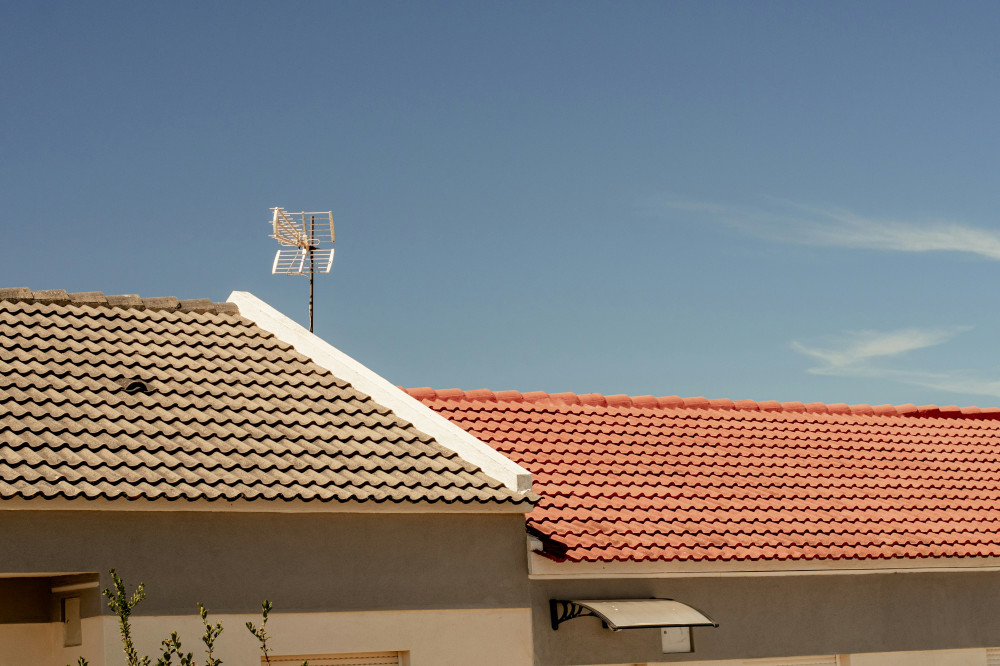
- Requires a roof in good condition; older roofs may need replacement first.
- Can be more exposed to wind and weather if not installed properly.
What Is a Solar Roof?
A solar roof is an integrated solution where the solar cells are built directly into the roofing material. Instead of mounting panels on top, the solar tiles or shingles replace traditional roofing materials, serving both as a roof and a power generator.
This creates a sleek, modern look where the solar components are nearly invisible. Solar roofs are often chosen for new construction or major roof replacements, where installing a new roof is already part of the plan.
Advantages of a solar roof:
- Elegant, seamless design that blends with the home’s architecture.
- Two functions in one: roof protection and energy production.
- Can increase property value and future-proof your home’s energy use.
- Reduced risk of leaks since the roof and solar system are integrated.
Disadvantages:
- Higher upfront cost than a traditional solar panel system.
- More complex installation requiring specialized contractors.
- Harder to expand later if your energy needs grow.
- Replacing individual tiles can be more complicated.
Læs også:

Cost and Financial Considerations
Costs vary depending on roof size, materials, energy consumption, and manufacturer. As a general guideline, a typical residential solar panel system in the U.S. costs between $15,000 and $25,000 after federal tax credits, while a solar roof can range from $40,000 to $70,000 or more—though that includes a brand-new roof.
If your roof is nearing the end of its lifespan, a solar roof may make financial sense in the long run. But if your roof is in good shape, a traditional solar panel system is usually the more cost-effective way to go solar.
Efficiency and Performance
Efficiency depends on the quality and placement of the solar cells. In general, traditional solar panels tend to be slightly more efficient than solar roofs because they can be angled for optimal sunlight exposure. However, solar roof technology is improving rapidly, and the performance gap is narrowing each year.
Both systems can be paired with a home battery, allowing you to store excess energy for use at night or during power outages. This increases your energy independence and can help reduce reliance on the grid.
Which Option Is Right for You?
Your choice between a solar roof and a solar panel system depends on your home’s condition, your priorities, and your budget:
- Choose a solar panel system if you want a quick, flexible, and cost-effective solution and your roof is in good condition.
- Choose a solar roof if you’re building a new home or replacing your roof and value aesthetics and long-term integration.
It’s a good idea to have a certified solar installer or energy consultant evaluate your roof and estimate your potential energy production. That way, you’ll have a clear picture of which option offers the best return for your situation.
Clean Energy for the Future
Whichever option you choose, you’ll be contributing to a cleaner environment and lower electricity bills. Solar energy requires minimal maintenance, lasts for decades, and can often pay for itself within 8–12 years. The key is to select the solution that fits your home, your budget, and your design preferences—so you can enjoy the power of the sun for many years to come.
Læs også: