Safe Roof Maintenance: How to Use Ladders and Scaffolding Properly

Safe Roof Maintenance: How to Use Ladders and Scaffolding Properly
Your roof needs regular care to stay watertight and in good condition—but working at height always carries risk. Many home accidents happen because ladders or scaffolding are used incorrectly or placed on unstable ground. With the right preparation and respect for safety, you can handle small roof maintenance tasks confidently and safely. Here’s a practical guide to using ladders and scaffolding the right way when maintaining your roof.
Preparation: Plan the Job from the Ground Up
Before you even step on a ladder, take time to plan your work carefully. Think about what you need to do—cleaning gutters, replacing shingles, or painting trim—and how long the job will take.
- Choose the right equipment: For short tasks, a sturdy ladder may be enough. For longer or more complex work, use scaffolding.
- Check the ground: Make sure the surface is firm, level, and dry. Soft or uneven ground can cause a ladder to slip.
- Watch the weather: Avoid working in wind, rain, or icy conditions, when surfaces become slick.
A good rule of thumb: if you’re unsure about safety, wait for better conditions or hire a professional.
Setting Up a Ladder Safely
A ladder is simple but potentially dangerous if used incorrectly. It must be stable, at the right angle, and tall enough so you don’t have to overreach.
- Angle and placement: Set the ladder at about a 75-degree angle. The base should be one foot out from the wall for every four feet of height.
- Secure the top: If possible, tie or stabilize the ladder at the top to prevent movement.
- Use slip-resistant feet: Make sure the ladder’s feet rest on a non-slip surface—rubber pads or a ladder stabilizer can help.
- Maintain three points of contact: Always keep two hands and one foot—or two feet and one hand—on the ladder while climbing.
Never lean too far to the side. Overreaching is one of the most common causes of ladder falls.
When Scaffolding Is the Safer Choice
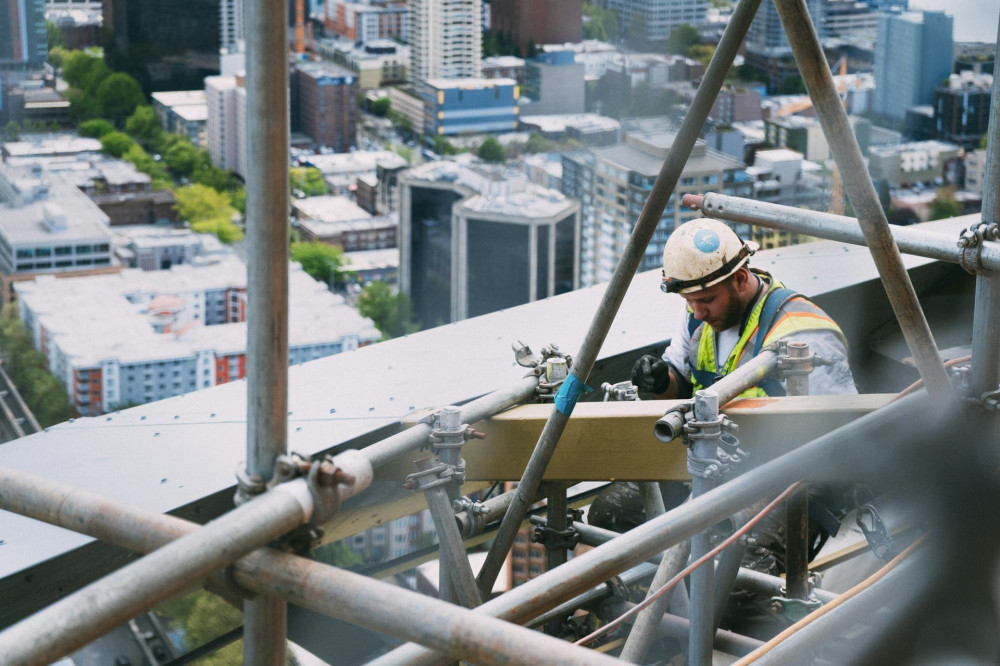
If you’ll be working for an extended period or moving around frequently, scaffolding is a much safer option. It provides a stable platform and space for tools and materials.
- Choose the right height: The platform should allow you to work comfortably without standing on your toes.
- Assemble correctly: Follow the manufacturer’s instructions carefully, and double-check that all locks and braces are secure.
- Use guardrails and toe boards: These prevent falls and keep tools from rolling off.
- Check stability: The scaffolding must stand on firm, level ground. Use adjustable legs or base plates if needed.
Properly set up scaffolding can make tasks like cleaning, painting, or replacing gutters faster and safer.
Læs også:


Personal Safety: Dress for the Job
The right clothing and gear can make a big difference in your safety.
- Non-slip shoes: Wear shoes with firm soles and good traction.
- Work gloves: Improve your grip and protect your hands from sharp edges.
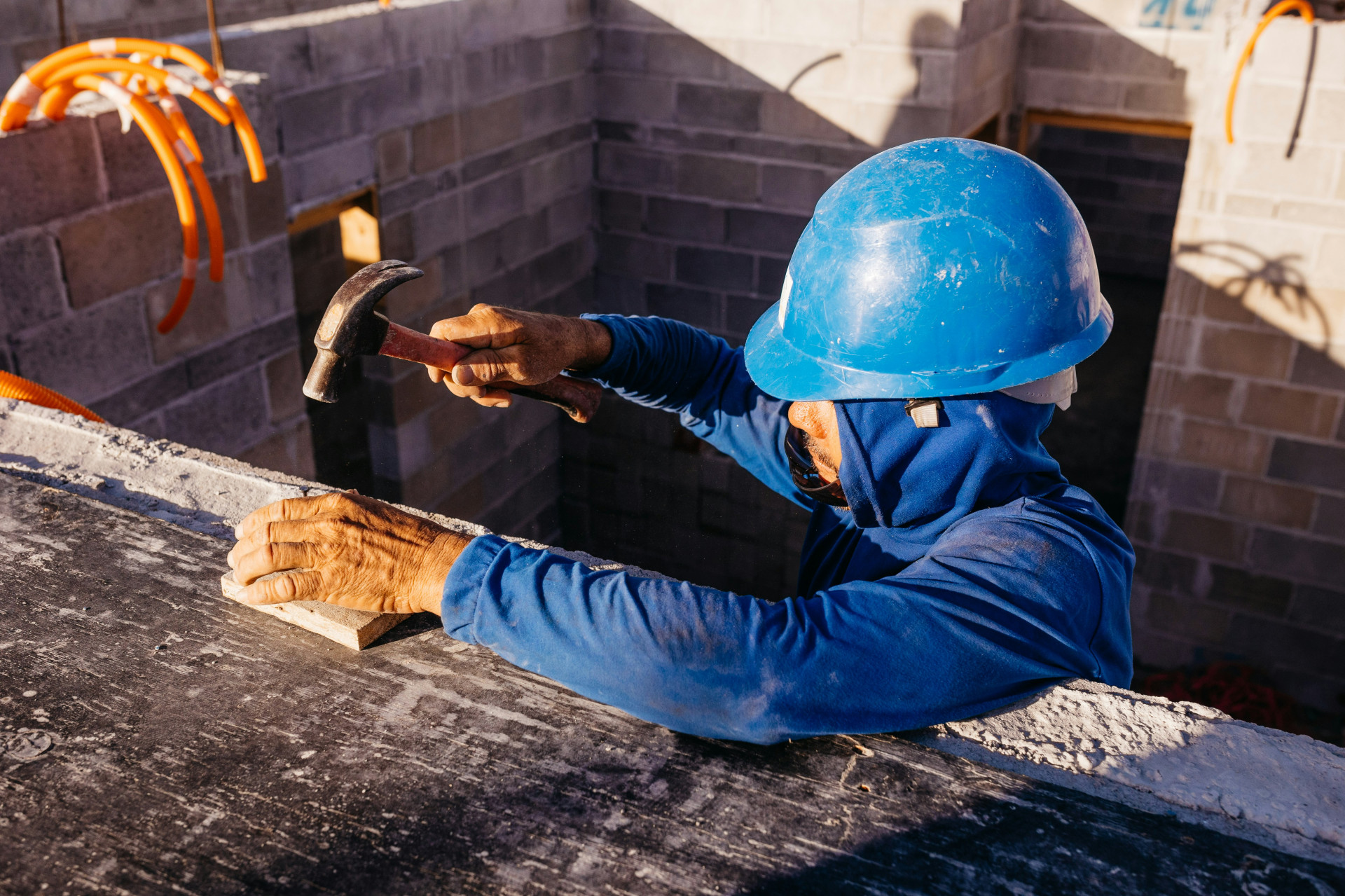
- Helmet and harness: For higher or sloped roofs, use a safety harness and hard hat.
- Tool belt: Keeps your hands free while climbing.
Avoid loose clothing that could catch on the ladder or scaffolding.
Common Mistakes—and How to Avoid Them
Even small errors can have serious consequences when working at height. Here are some of the most frequent mistakes:
- Ladder angle too steep or too flat – increases the risk of slipping.
- Unsecured ladder – can shift as you move.
- Overloading scaffolding – too much weight in one area can cause tipping.
- Cluttered platform – loose tools or debris can lead to tripping.
Take a few minutes to double-check everything before you start. It’s time well spent that can prevent serious injury.
Finishing Up: Take Down Equipment Safely
When the job is done, safety still matters. Remove tools and materials before dismantling scaffolding. Take it apart slowly, and never stand beneath someone working above you.
Inspect and clean your ladder or scaffolding before storing it. Look for cracks, bent rungs, or rust—any damage can make the equipment unsafe next time.
Safety First—Every Time
Roof maintenance can be rewarding, but it demands caution. Whether you’re cleaning gutters or replacing shingles, safety should always come first. By using ladders and scaffolding correctly, you can complete your work efficiently—and make sure you come down safely when it’s done.
Læs også: